Refineries: The Unexpected Bottleneck in Global Energy Supplies
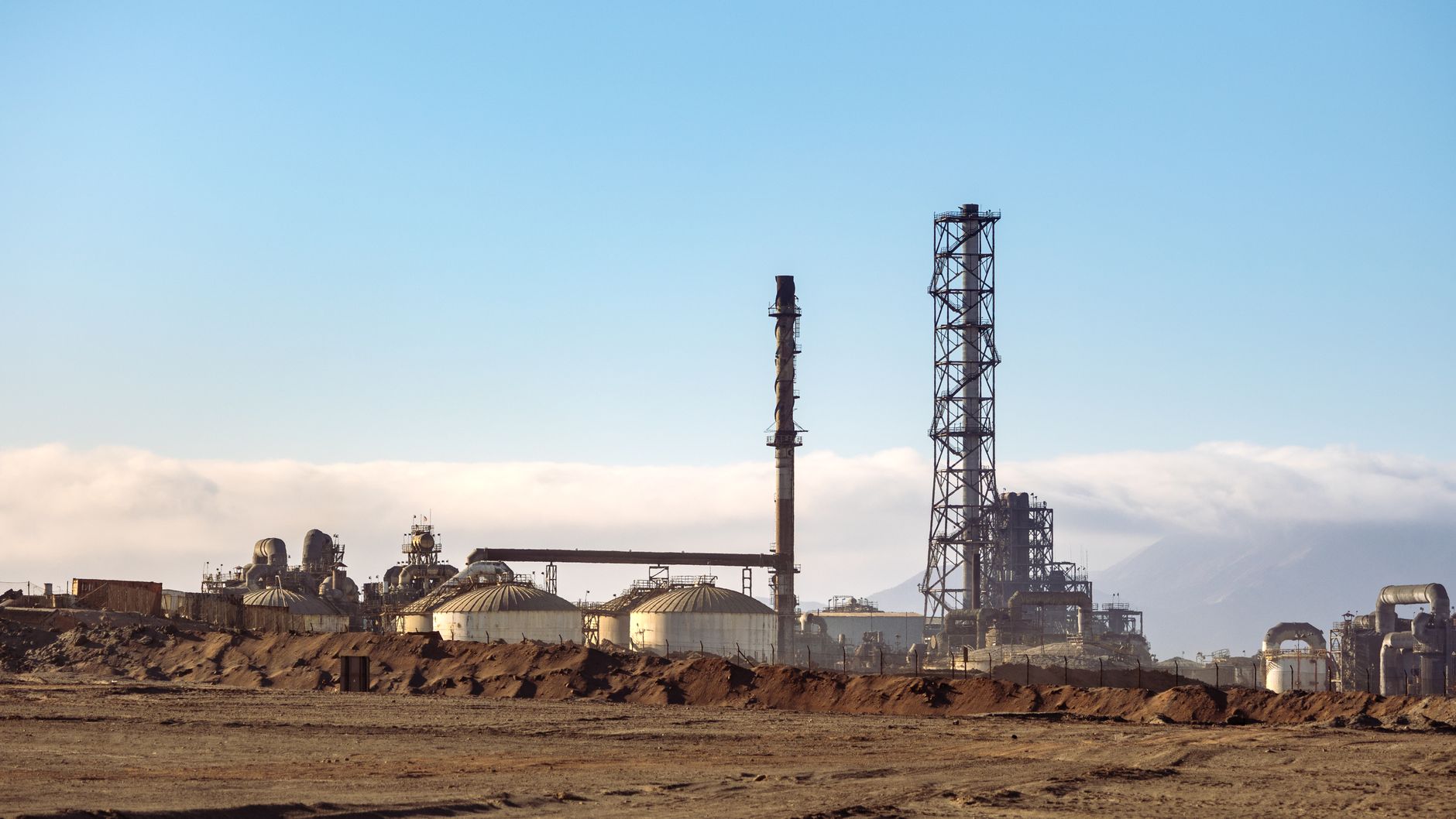
Refineries, often overshadowed by the oil rigs and pipelines that dominate the energy narrative, have quietly become the main chokepoint in global energy supplies. These sprawling complexes, dedicated to the alchemy of transforming crude oil into usable fuels, are now at the heart of a looming crisis.
Global refining capacity has reached a significant 103.8 million barrels per day, with China leading at 18.83 mb/d, closely followed by the United States. India, with its burgeoning energy needs, ranks fourth. Yet, even as these numbers swell, the demand for refined products like gasoline and jet fuel continues to outpace supply, threatening to turn this industrial marvel into a bottleneck.
The Demand Conundrum
As the world emerges from the shadows of a pandemic, energy consumption is surging. This resurgence, coupled with geopolitical tensions affecting crude oil supply lines, places unprecedented strain on refineries. While the oil market is no stranger to volatility, the current scenario underscores a new dimension of vulnerability: the capacity of refineries to keep pace with demand.
Historically, refineries have been equipped to handle fluctuations. However, the rapid economic recovery has exposed their limitations. Maintenance shutdowns, environmental regulations, and logistical challenges further exacerbate the situation. It's a perfect storm that could lead to higher fuel prices and supply shortages, affecting everything from transportation to consumer goods.
Strategic Implications
For countries heavily reliant on imported energy, this bottleneck poses both a challenge and an opportunity. Governments are now compelled to reassess their energy strategies, investing in refinery upgrades and exploring alternative fuels. The focus is not merely on expanding capacity but also on making existing infrastructures more resilient.
In the longer term, this could prompt a shift towards more sustainable energy practices. However, the immediate concern remains: ensuring that refineries can meet the world's energy needs without faltering.
As consumers, we may not often ponder the journey of crude oil from wellhead to pump. Yet, the current situation reminds us that the unseen giants of the energy world have a profound impact on our daily lives. The refinery chokepoint is a wake-up call, signalling the need for strategic foresight in an ever-evolving energy landscape.