Refinery Bottlenecks Threaten Global Energy Stability
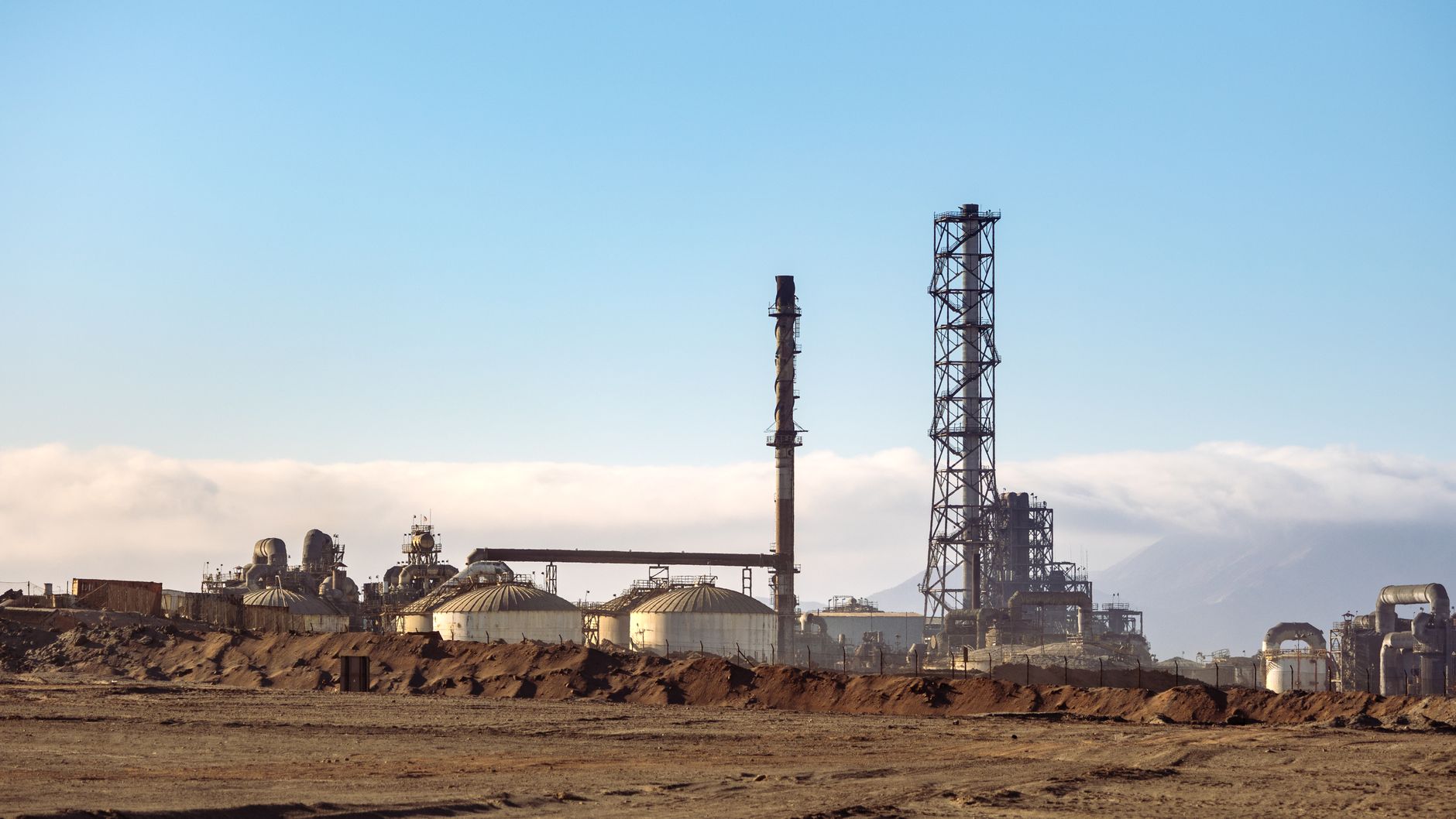
As the world grapples with an unprecedented energy crisis, refineries have become the latest bottleneck in the global supply chain. The strategic importance of these facilities has been thrust into the limelight, as geopolitical tensions in the Persian Gulf and Russia disrupt traditional fuel flows.
Over the last decade, significant investments were made in the refining sector by these regions, aiming to dominate the diesel market. However, the current conflicts have drastically curtailed their export capabilities, sending ripples through the global economy. The International Energy Agency has issued stark warnings about the refining system being 'stretched to the limit', with little room left for manoeuvre.
Compounding the issue, strikes in Kyiv have shifted focus from refineries to targeting ports and transport hubs, further threatening the fragile balance of global energy trade. This strategic pivot could have devastating effects on the already strained supply networks.
Rising Costs and Economic Impact
The ripple effect of these disruptions is palpable. With limited supplies of both refined and crude oil, prices are climbing steadily. Consumers worldwide are bracing for higher costs, not only at the petrol pump but also in goods transport, as freight rates soar.
Refiners are now in a frantic search for alternative crude supplies, intensifying competition in an already volatile market. This scramble adds another layer of complexity to an energy sector already beset with challenges.
As the situation unfolds, the pressure on policymakers to find sustainable solutions mounts. The world watches closely, hoping for a resolution that stabilises the energy supply chain, and prevents further economic fallout.