Reimagining Cities: Urban Planning as a Remedy for Climate Health Challenges
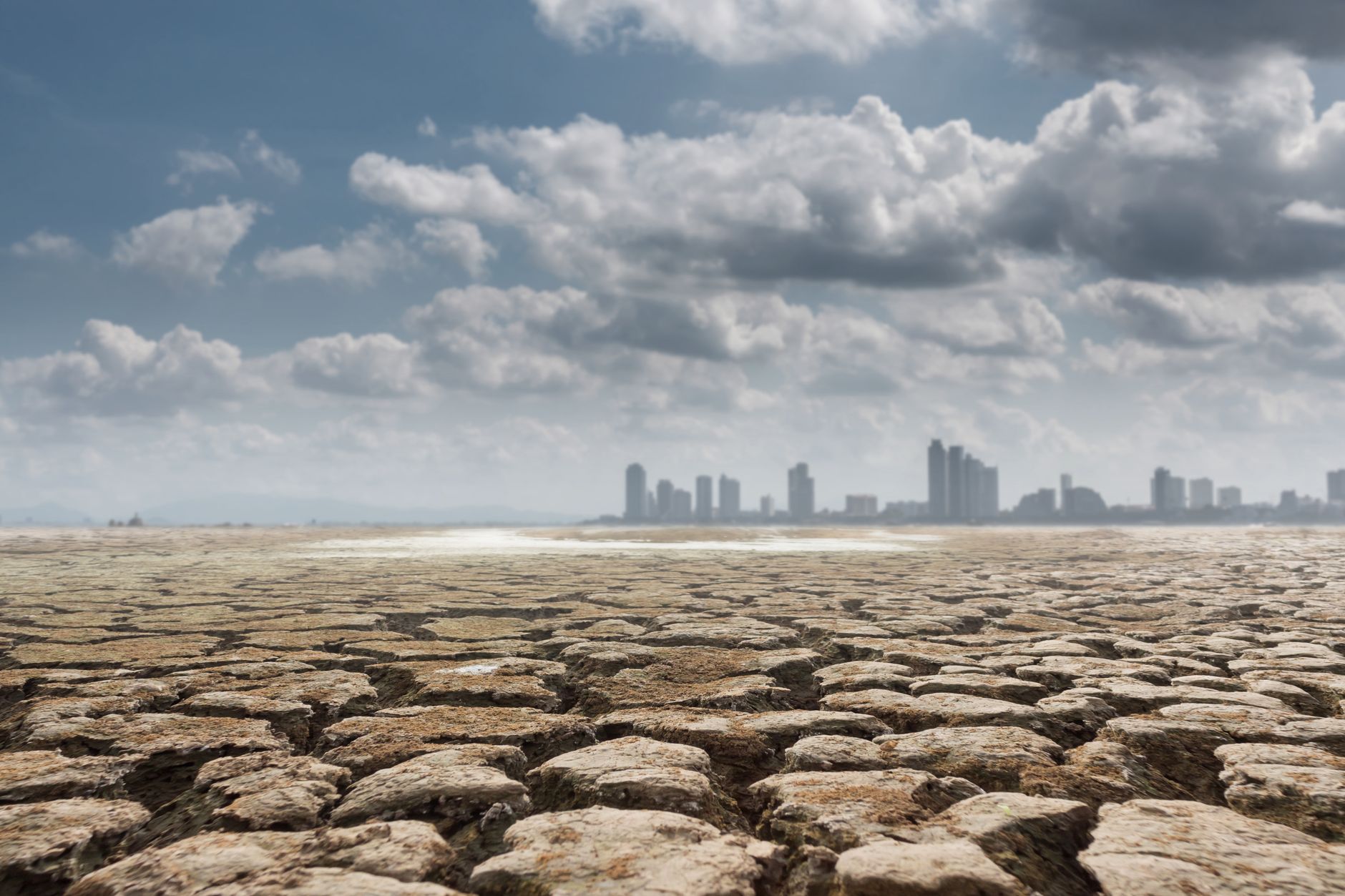
As the world grapples with the escalating climate crisis, urban planners are stepping up to the challenge, recognising that cities are not just physical spaces but complex ecosystems where health and environment intersect. The intertwined nature of these elements is increasingly evident, prompting planners to reimagine urban landscapes not merely as places of habitation but as fortresses against the looming threats of climate change.
The recent research involving 43 urban planners and 16 health service planners underscores a pivotal shift in thinking. The emphasis is no longer solely on infrastructure that can withstand rising sea levels or heatwaves. Instead, there is a growing consensus that urban planning must also address the insidious health impacts of climate change, particularly those affecting mental health.
Health-Centric Urban Solutions
From elevated, flood-resistant housing to green spaces that mitigate urban heat, cities are experimenting with solutions that promise both resilience and well-being. These initiatives are not just about survival; they aim to enhance the quality of life for urban dwellers, recognising that the health of city residents is inextricably linked to the health of their environment.
One of the more subtle, yet significant, challenges is the impact on psychological health. As climate events become more frequent and severe, anxiety and stress levels are rising. Urban planners, therefore, are working alongside health professionals to create environments that offer both physical protection and psychological comfort.
A Call to Action
Experts argue that the current situation demands a holistic approach. Urban areas need to adapt quickly, not just to the immediate physical challenges but also to the long-term health implications. The integration of health and environmental planning is seen as crucial, with civil engineers and urban planners collaborating to design cities that are both resilient and affordable.
The urgency is clear. With infrastructure failures, resource shortages, and increased morbidity looming on the horizon, the role of urban planning is evolving. It is no longer confined to roads and buildings but extends to safeguarding the very fabric of human society against the multifaceted threats of climate change.