Reimagining Cities: Urban Planning Meets Climate Health Crisis
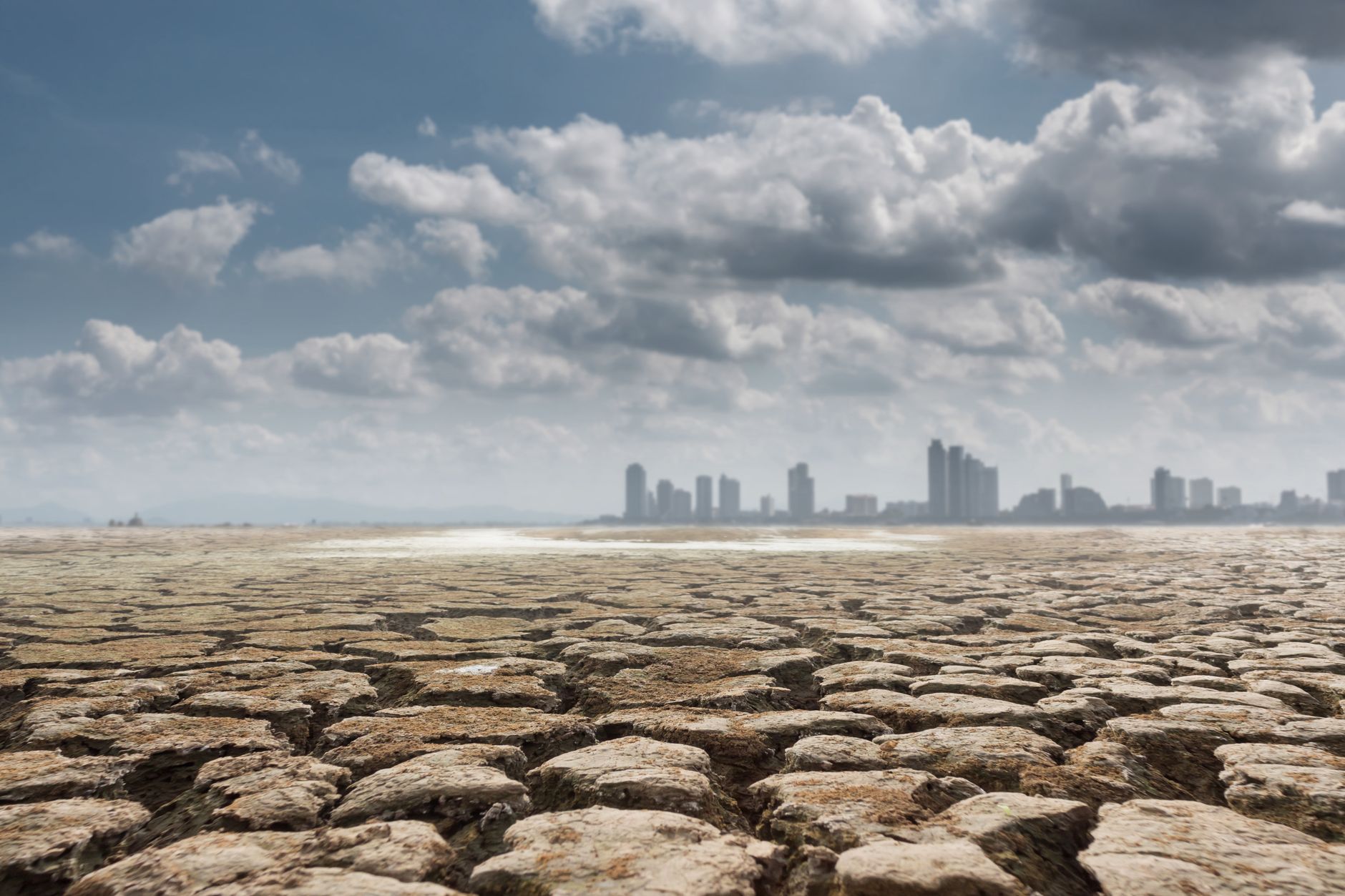
As the world grapples with the multifaceted challenges posed by climate change, an often overlooked aspect is its impact on human health. While the physical threats of rising sea levels and extreme weather patterns dominate conversations, the psychological toll is a quieter crisis demanding attention.
Urban planners, alongside health experts, are beginning to acknowledge this dual burden. The built environment plays a significant role in either exacerbating or alleviating the stressors associated with climate change. Elevated, flood-resistant structures are no longer a luxury but a necessity. Yet, the conversation must extend beyond bricks and mortar.
The Silent Psychological Toll
Climate change-induced anxiety is an emerging field of concern. It affects not just individuals living in vulnerable areas but communities worldwide. The sense of helplessness and unpredictability can lead to chronic stress, depression, and anxiety disorders. Medical professionals often overlook these psychological impacts, focusing primarily on physical health risks.
The University of Chicago's initiative to address these issues through a series of discussions underscores the importance of integrated approaches. By marrying urban innovation with health sciences, new pathways for sustainable living and mental well-being are being forged.
A Call to Collaborative Action
The recent study involving 43 urban planners and 16 health service planners highlights a growing consensus: collaboration is key. By working together, these professionals aim to design urban spaces that not only withstand environmental pressures but also foster mental resilience.
These efforts are paving the way for cities that prioritise holistic health. Designing green spaces, improving air quality, and providing community support systems are steps towards creating environments that nurture both body and mind.
As the dialogue continues, the hope is for a paradigm shift in urban planning—one that recognises climate change as a comprehensive health crisis, demanding solutions that are as adaptable as they are innovative.