Rethinking Urban Design: Cities as Health Systems
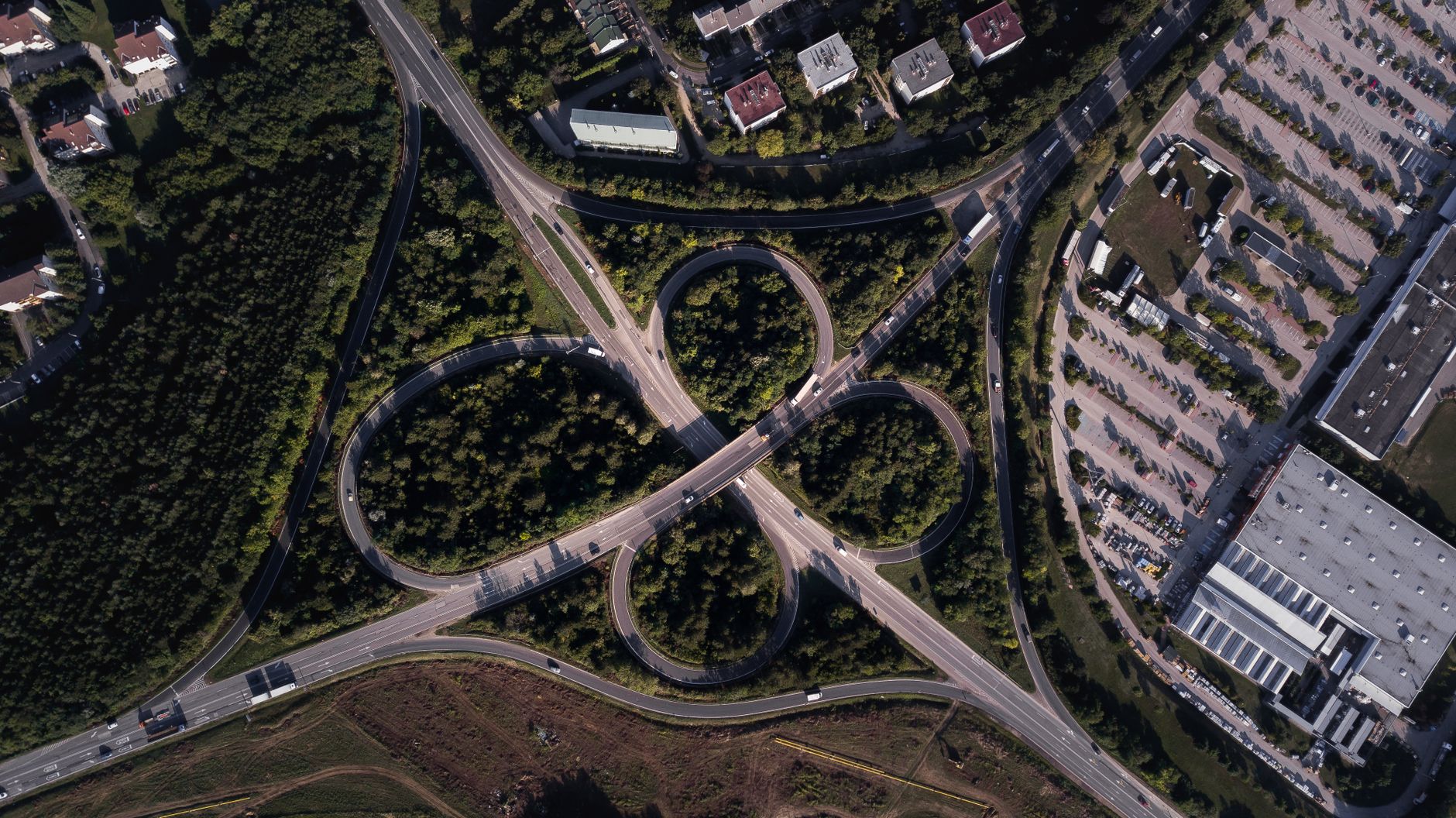
The bustling cityscape, far from being merely a collection of buildings and roads, is a dynamic system influencing the health of its inhabitants. The way cities are designed can have profound impacts on public health, from encouraging physical activity to ensuring mental well-being.
Urban planning, once the domain of architects and civil engineers, is increasingly seen through the lens of public health. As populations swell in cities, the imperative to design neighbourhoods that promote healthy living has never been more urgent. Cities are no longer just places to live and work; they are ecosystems where the built environment interacts closely with human health.
Feedback Loops: The Invisible Hand
Feedback loops in urban planning describe the complex interplay between city policies, the built environment, and the behaviours of residents. When these loops are well-managed, they create a virtuous cycle of health benefits; poorly managed, they can perpetuate health inequities.
Consider the layout of a neighbourhood. Streets that prioritise pedestrians and cyclists over cars do more than reduce traffic congestion. They encourage walking and cycling, which in turn promotes physical health and reduces pollution — a clear example of a positive feedback loop.
Challenges and Opportunities
Breaking negative feedback loops requires foresight and coordination among city planners, health experts, and community leaders. One challenge is the inertia of existing infrastructure, which often favours vehicle traffic over pedestrian safety. Retrofitting cities to be more walkable and accessible can be costly and politically fraught.
Yet, the potential rewards are significant. Healthier cities mean reduced healthcare costs, increased productivity, and improved quality of life. Moreover, as the climate crisis intensifies, urban designs that integrate green spaces and promote sustainable transportation can contribute to environmental resilience.
The future of urban health depends on embracing systems thinking — viewing the city as an interconnected whole rather than a series of isolated parts. By doing so, we can break the feedback loops that trap us in unhealthy patterns and move towards a more sustainable, health-oriented urban future.