Reviving Roman Ingenuity: Startup Reinvents Ancient Concrete
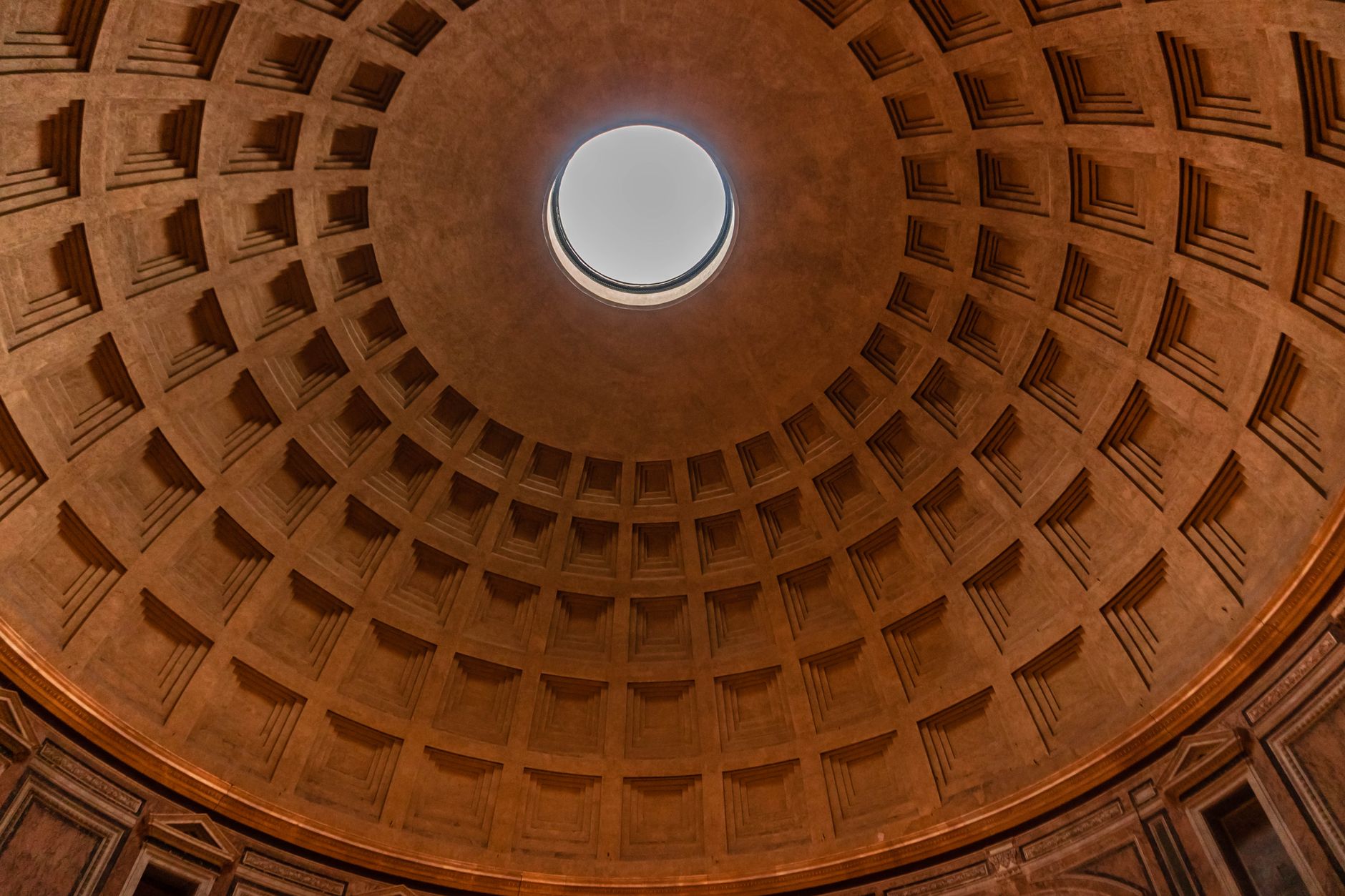
In the heart of a bustling city, where glass giants and steel behemoths stretch towards the heavens, a startup is quietly drawing inspiration from a civilisation long past. DMAT, an innovative company, is bringing ancient Roman concrete technology into the modern world, promising not just to build new structures, but to reshape the very future of construction.
For those who have marvelled at the Pantheon or the enduring aqueducts, it's no secret that Roman concrete has stood the test of time. The secret of its resilience lies in its unique composition, which DMAT has meticulously studied and adapted. Unlike the modern Portland cement, Roman concrete harnessed volcanic ash, lime, and seawater, creating a mix that not only bonded with the aggregate but also featured self-healing properties.
A Modern Marvel with an Ancient Twist
DMAT's commercialisation of this ancient formula could revolutionise the construction industry. The startup's innovative concrete additive is said to extend the lifespan of structures by up to 50%, while also slashing CO2 emissions to just 40% of those associated with traditional concrete. In an era where environmental sustainability is not just preferred but necessary, this development offers a glimpse into a more eco-conscious future.
The significance of this innovation cannot be overstated. As cities expand and demand for infrastructure grows, the environmental toll of construction materials has become a pressing concern. By reducing the carbon footprint and enhancing durability, DMAT's approach could set a new standard for sustainable architecture.
Building the Future with the Past
Co-founder Admir Masic, whose research uncovered the durability secrets of Roman concrete, argues that looking to the past can inform a more resilient future. His work at DMAT aims to integrate these age-old techniques with modern technology, creating a hybrid product that respects its origins while embracing contemporary needs.
As DMAT continues to refine its product, the world is watching with anticipation. The potential to transform not just how we build, but how we think about building, is immense. In this quiet blend of old and new, perhaps we find a blueprint for a more sustainable world.