Reviving Tradition: CSIR's Bold Science Initiative in Villages
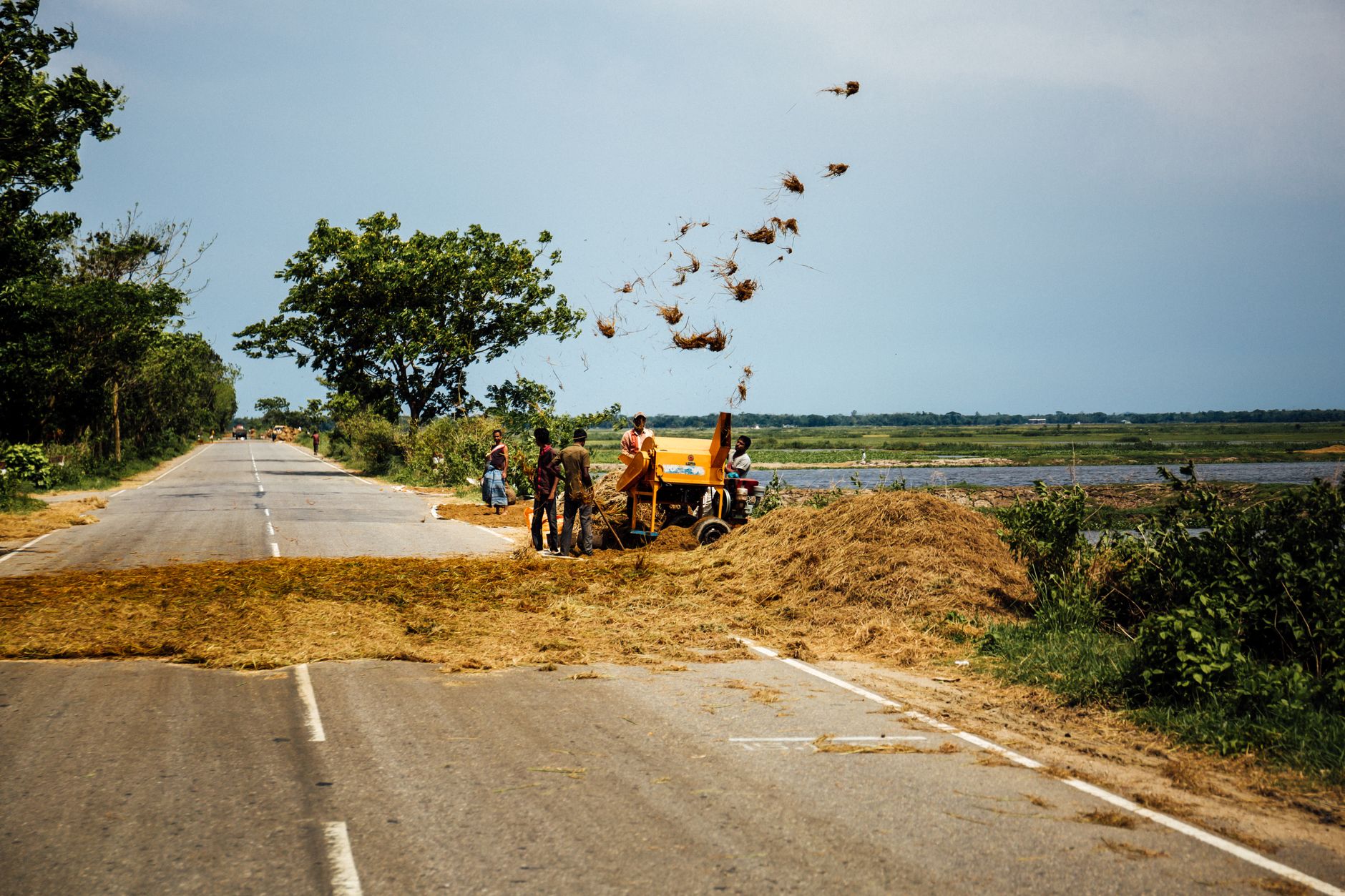
On the eve of India's Independence Day in 1976, an ambitious initiative was quietly taking root in the heart of the country's villages. The Council of Scientific and Industrial Research (CSIR) embarked on a novel mission to integrate science with traditional rural practices. This wasn't just about introducing technology; it was about merging the modern with the ancient, the scientific with the traditional.
At the time, rural India was largely untouched by the scientific advancements that were transforming urban centres. Agriculture, the backbone of the rural economy, was still heavily reliant on age-old techniques that were often inefficient and labour-intensive. CSIR saw an opportunity to change this by introducing scientific methods tailored to the unique needs of village life.
Science Meets Tradition
The initiative aimed to enhance agricultural productivity by leveraging local knowledge alongside modern science. Scientists worked closely with villagers to understand their practices and challenges. This collaboration led to innovations such as improved seed varieties and pest control methods that were both effective and environmentally sustainable.
Moreover, CSIR's programme went beyond agriculture. It included efforts to improve water management and promote renewable energy sources, recognising the critical role these play in sustainable development. The overarching goal was to empower villagers through knowledge, ensuring they could sustain and adapt these innovations independently.
Legacy and Lessons
The CSIR's project was not without its challenges. There was scepticism, particularly from those who saw traditional practices as immutable. Yet, the initiative's success lay in its respectful approach to these traditions, adapting rather than replacing them, which fostered trust and collaboration.
Today, the lessons from this initiative remain relevant. As India continues to grapple with the challenges of rural development, the need for science that respects local contexts is as important as ever. The CSIR's work underlines the potential of science to not just solve problems but to do so in a way that honours the past while embracing the future.