Revolutionary Advances in Breast Cancer Surgery Technology
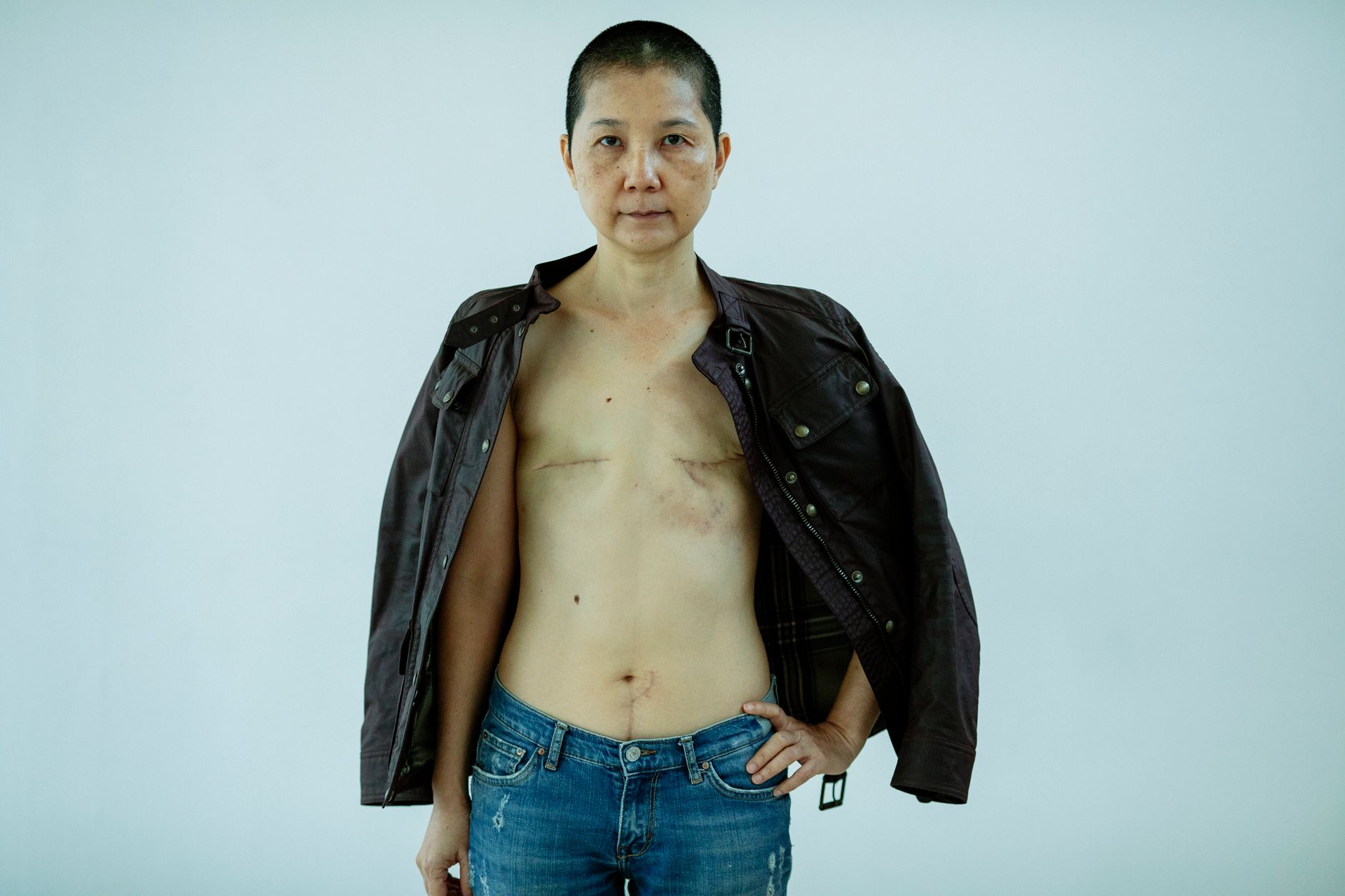
In a world where medical advances are often heralded as breakthroughs, a new technology is quietly reshaping the landscape of breast cancer surgery. Hospitals in New York and Connecticut have begun employing a technique that promises less invasive operations, significantly reduced scarring, and a smoother recovery process for patients.
This innovative approach, known for its precision and efficacy, allows surgeons to navigate the complexities of breast cancer surgery with enhanced accuracy. By providing clearer insights into margin status and enabling the preservation of healthy breast tissue, the technology minimises the chances of cancer spreading. It's a leap forward for surgical procedures that traditionally relied on more invasive methods.
The Role of Robotic Assistance
At the heart of this advancement is robotic technology, which is being integrated into breast cancer mastectomies. The robotic system allows for smaller incisions and greater control, which not only benefits the surgeon but significantly impacts the patient's post-operative experience. Less tissue trauma means patients can enjoy a quicker return to their daily lives, a boon for those who may have previously faced lengthy recovery times.
Furthermore, this new method reduces the psychological and physical burden on patients. Traditional procedures often rely on wire localisation, which can be both uncomfortable and anxiety-inducing. By eliminating the need for these wires, the new technology offers a more patient-friendly alternative.
Beyond Academic Centres
Perhaps one of the most significant aspects of this development is its accessibility. Unlike many medical advancements that remain confined to academic institutions, this technology is being rolled out in community hospitals. This is vital, considering that approximately 80 per cent of breast cancer surgeries occur outside of academic centres. Patients in these facilities can now benefit from cutting-edge care without the need to travel to specialised centres.
As Molli Surgical takes the reins in providing this wire-free, radiation-free technology, the landscape of breast cancer treatment is set to change dramatically. The focus now shifts to wider adoption and ensuring that patients across the board have access to these life-enhancing innovations.