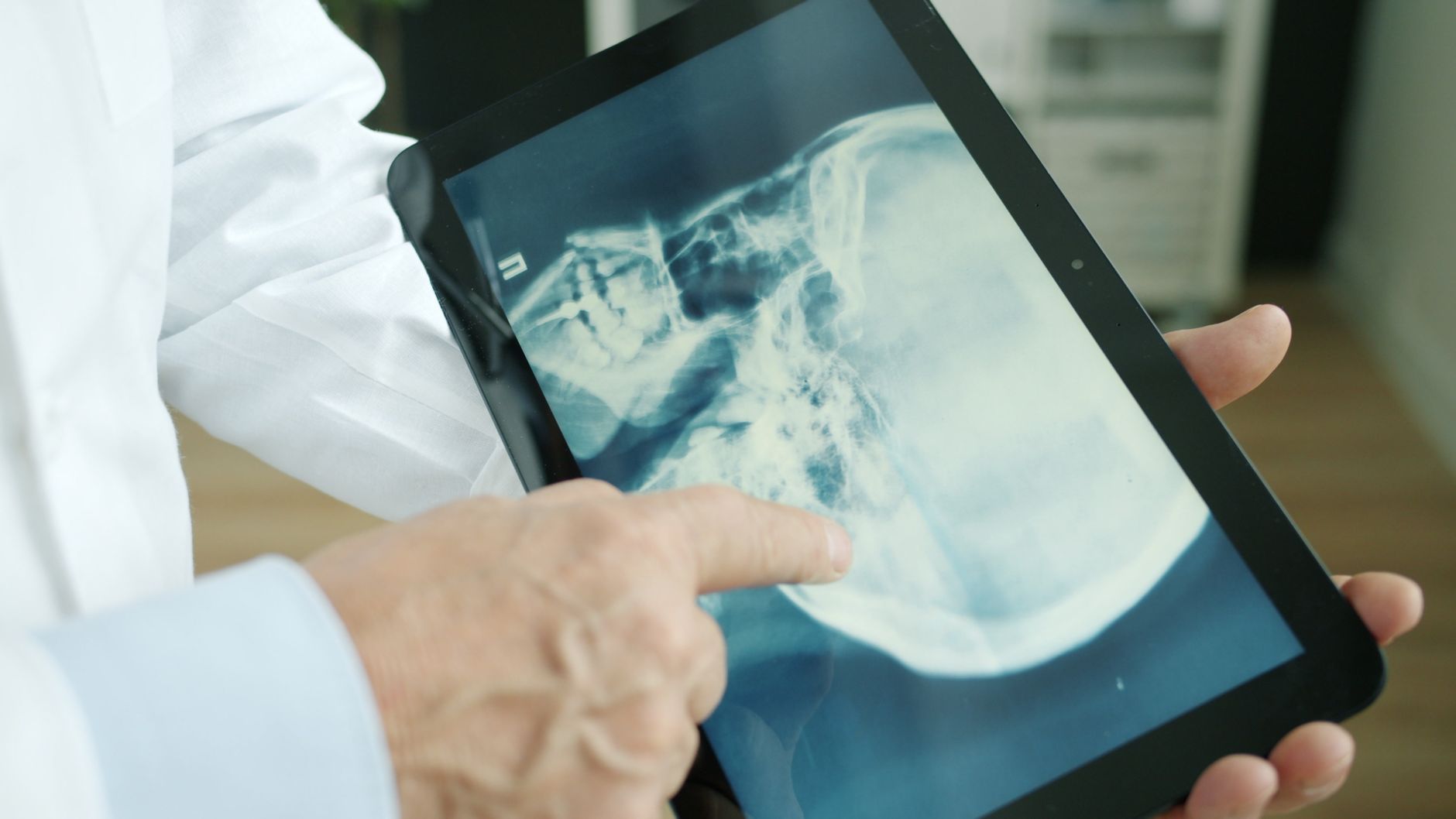
Revolutionary AI Tool Predicts Cancer Survival Through Selfies
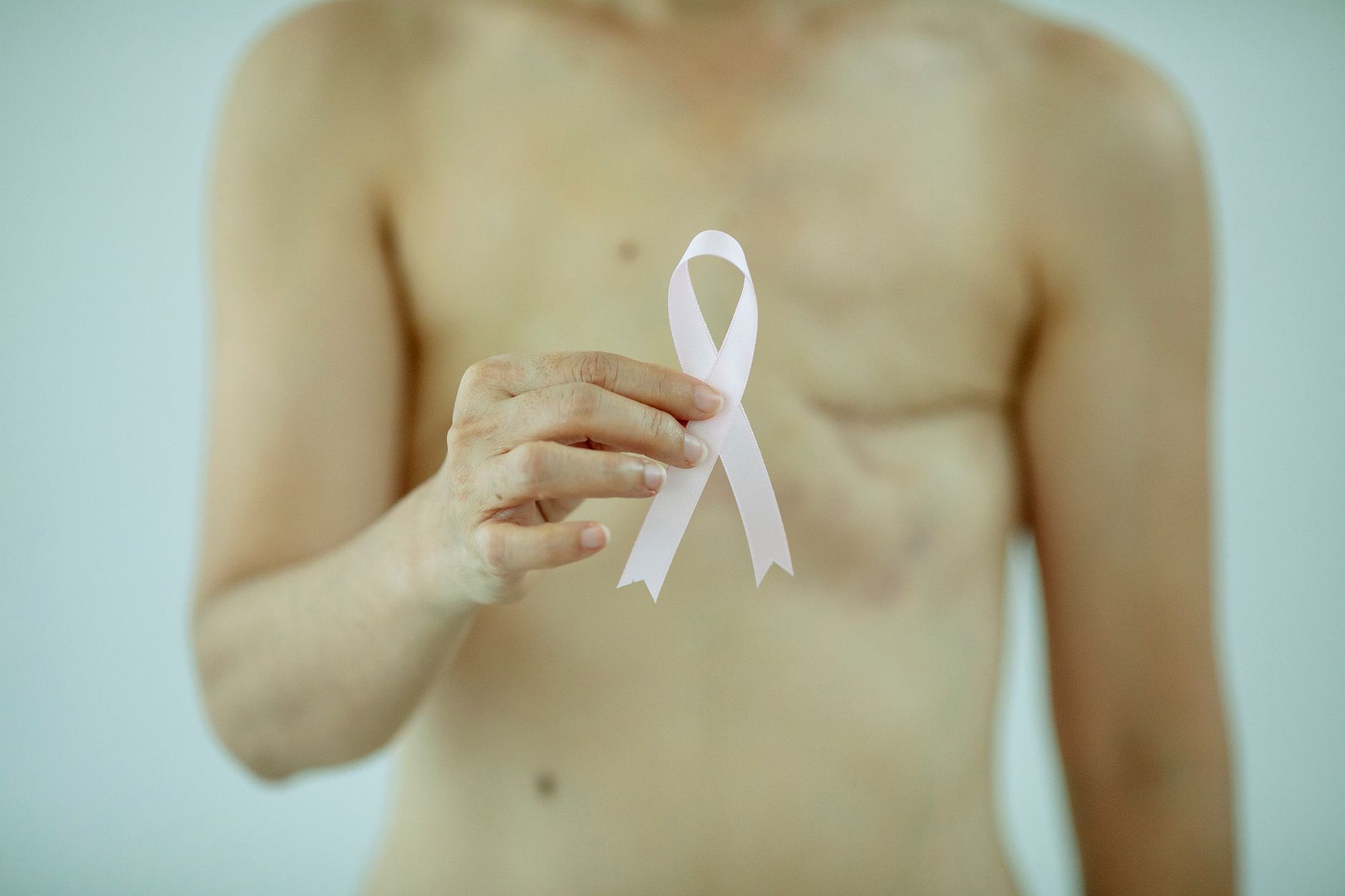
Imagine having your chances of surviving cancer predicted by a simple selfie. This is no longer the realm of science fiction, but a burgeoning reality, thanks to an AI tool developed by researchers at Harvard University. The tool, known as FaceAge, has the potential to revolutionise personalised healthcare through its innovative use of facial analysis.
The Science Behind the Selfie
FaceAge operates by scrutinising facial features to estimate a patient’s biological age, which is a more telling indicator of health than chronological age. The AI system was evaluated on a cohort of 100 patients in palliative care settings and demonstrated a remarkable accuracy in predicting survival outcomes, surpassing the predictive capabilities of human clinicians.
This technological leap could significantly impact how medical professionals assess and treat cancer patients. By providing a more personalised outlook, treatments can be better tailored to individual needs, potentially improving survival rates and quality of life.
Beyond the Skin Deep
While the possibilities are promising, the application of AI in healthcare is not without its challenges. Concerns about data privacy and the risk of bias in AI algorithms linger. Previous AI tools have faced scrutiny for their performance across different ethnic groups. However, preliminary checks on FaceAge suggest no significant racial bias, and researchers are already working on a second-generation model trained on a more diverse dataset of 20,000 patients.
This development comes amidst a broader trend of integrating AI into healthcare, offering new avenues for diagnostics and treatment. Despite these advances, experts caution that AI should complement, not replace, human judgement and clinical expertise.
As we stand on the brink of a new era in medical care, the ability to predict health outcomes with a selfie may soon become an indispensable tool in the medical arsenal, providing hope and clarity to those facing the daunting journey of cancer treatment.