Revolutionary Altermagnetism Discovery Wins Prestigious Physics Prize
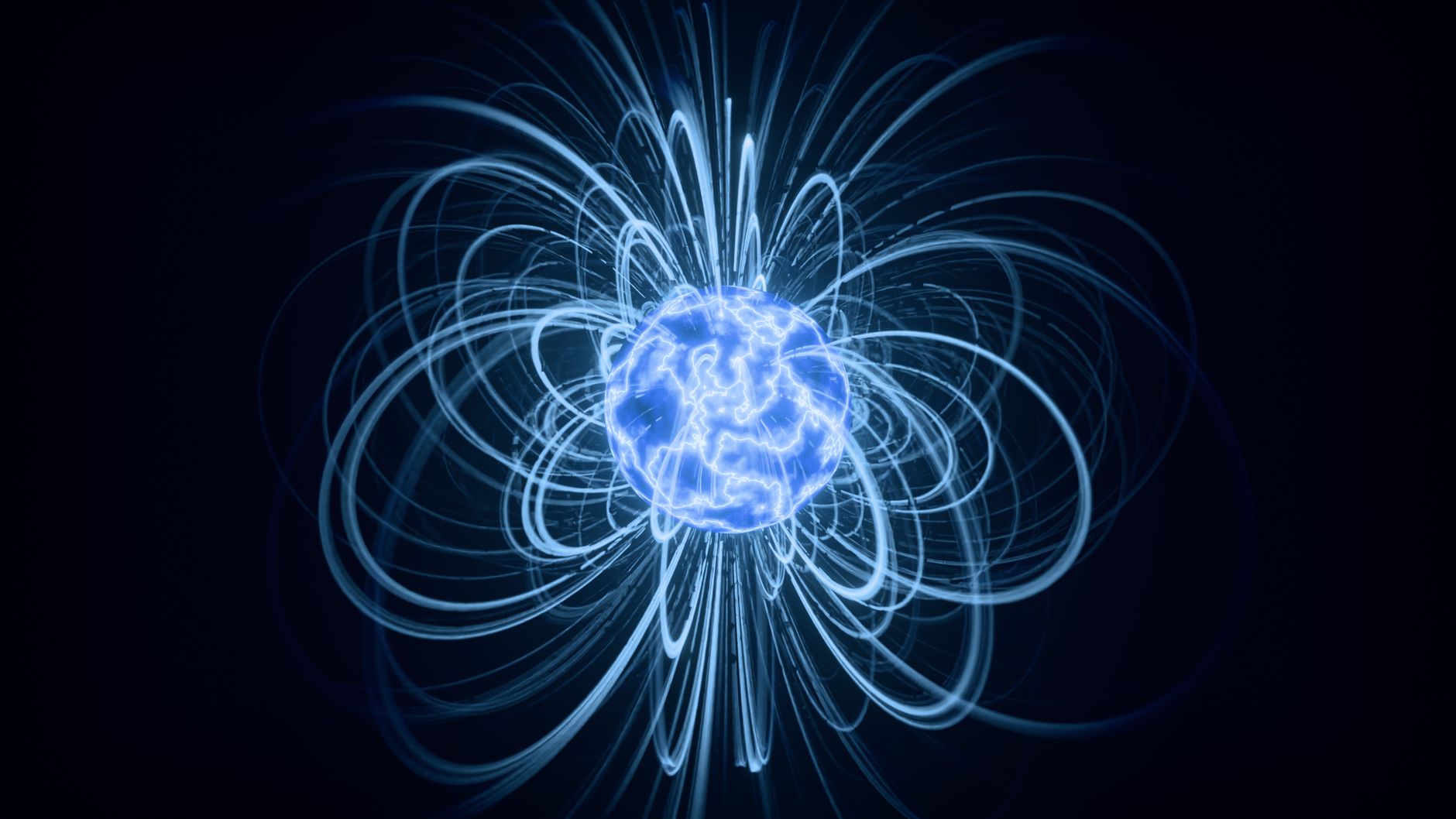
In a groundbreaking achievement, physicists Tomáš Šmejkal, Jairo Sinova, and Jörg Jungwirth have been awarded the 2026 Europhysics Prize for their pioneering discovery of altermagnetism. This newly identified form of magnetism adds a third chapter to the magnetic saga, promising to unlock new technological frontiers.
The concept of magnetism is as old as the compass itself, with ferromagnetism as its most familiar form, governing everything from refrigerator magnets to industrial motors. The second form, antiferromagnetism, once perceived as a mere theoretical curiosity, earned scientists a Nobel Prize. Now, altermagnetism emerges, transforming the understanding of magnetic ordering.
The Science Behind Altermagnetism
Altermagnets exhibit unique properties that distinguish them from their ferromagnetic and antiferromagnetic counterparts. In simple terms, these materials possess alternating magnetic orientations at the atomic scale, which can be controlled and manipulated, as demonstrated with nanoscale magnetic whirlpools in manganese telluride.
This unprecedented control over magnetic properties heralds a new era for applications in computer memory and information technology. The potential to enhance data storage and processing capabilities, particularly in AI, is immense. Altermagnetism could lead to faster, more efficient computing paradigms.
European Excellence in Physics
Since 1975, the Europhysics Prize has recognised remarkable achievements in condensed matter physics. The 2026 award not only celebrates a scientific breakthrough but also underscores Europe's pivotal role in advancing the frontiers of physics. The collaborative effort that led to the discovery of altermagnetism involved significant research within European institutions, embodying the spirit of international scientific cooperation.
Šmejkal, Sinova, and Jungwirth's work exemplifies how fundamental research can pave the way for technological innovation. By revealing a new dimension of magnetism, they have opened up possibilities that could reshape how we interact with technology in the future.