Revolutionary Dental Treatment Halts Cavities Without Drilling
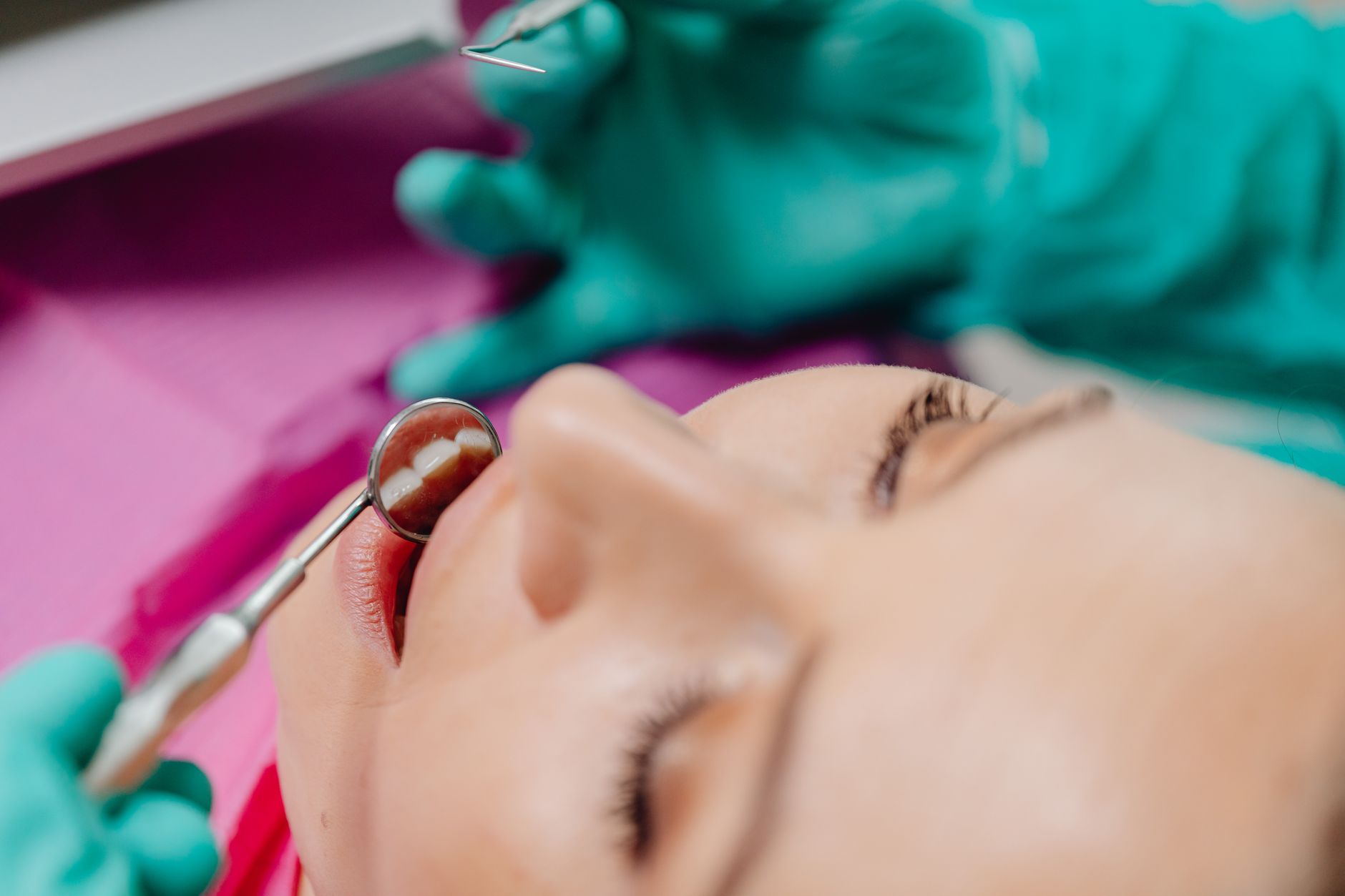
Picture a world where the shrill whir of the dentist's drill is replaced by a gentle brush of liquid. This is no fantasy but a potential reality thanks to groundbreaking research from the University of Michigan. Scientists have discovered that silver diamine fluoride (SDF), a liquid treatment, can stop cavities in their tracks without resorting to invasive drilling.
In a significant study, this seemingly simple solution was applied to baby teeth, with results showing that over half of the cavities treated were arrested. This is particularly promising for young children, who often find traditional dental procedures daunting and distressing.
A New Era in Dental Care
The implications of this discovery are vast. Traditional cavity treatment involves drilling, which can be painful and anxiety-inducing, especially for children. SDF offers a painless alternative, making dental care more accessible and less traumatic. Used successfully in several countries for years, SDF is now gaining traction in the United States. Although primarily approved for tooth sensitivity, its off-label use for cavity prevention is gathering momentum.
This development is particularly crucial for public health. Tooth decay remains a prevalent problem, especially in socio-economically disadvantaged communities where access to conventional dental care is limited. The affordability and simplicity of SDF applications could bridge this gap, offering an effective solution that could be applied even in non-clinical settings.
Challenges and the Road Ahead
However, the path to widespread acceptance is not without obstacles. The FDA has yet to approve SDF for cavity treatment, citing a need for more extensive clinical trials. Nonetheless, the initial results are encouraging, and with broader approval, SDF could redefine dental practices worldwide.
In essence, silver diamine fluoride is not just a treatment; it's a harbinger of change in how we approach dental health. By removing the fear and pain associated with dental visits, it paves the way for healthier smiles and a more accessible healthcare system.