Revolutionary Dental Treatment Halts Cavities Without Drilling
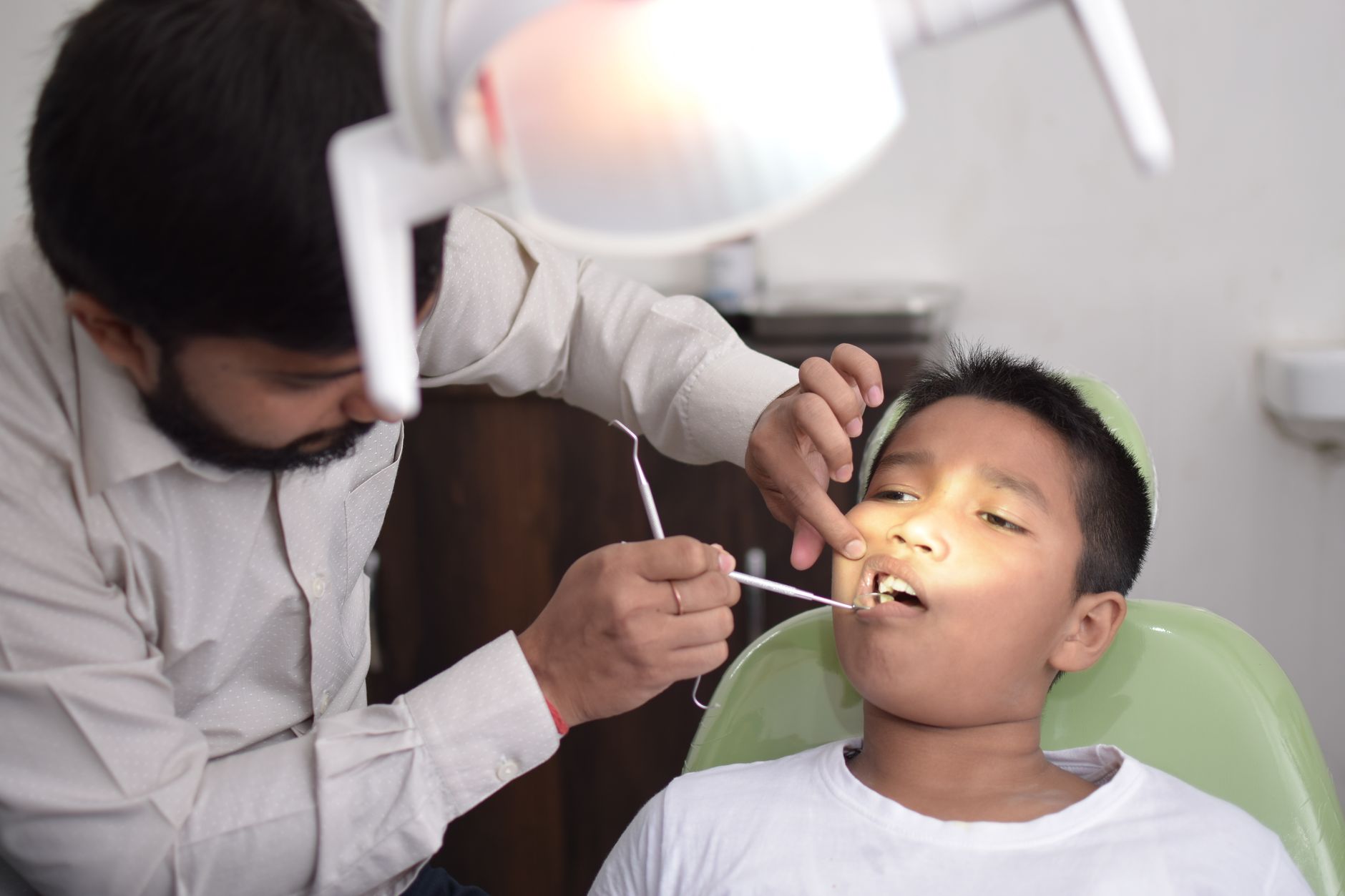
In a development set to ease the fears of countless dental patients, scientists have uncovered a technique to halt cavities without resorting to the dreaded drill. The solution, silver diamine fluoride (SDF), has been shown to stop decay in over half of baby teeth treated, according to a major U.S. study.
For many, the prospect of a dental appointment conjures up visions of whirring drills and uncomfortable procedures. Yet, with the advent of SDF, such anxieties may well become a thing of the past. Brushed onto teeth as a simple liquid, it eliminates the need for drilling, injections, and sedation altogether. One trade-off is that it does leave a permanent dark stain on the decayed area, which some may find aesthetically displeasing.
Transforming Dental Care
This breakthrough could be particularly beneficial for children and those who experience dental anxiety. For young patients, avoiding the fear and discomfort associated with traditional cavity treatment could lead to better dental health outcomes as they age. The treatment is also hailed as a boon for older adults, especially those with sensitive roots and complex cavities, who might otherwise shy away from necessary dental care.
While SDF is not entirely new—having been used in countries like Japan for decades—its recognition and integration into Western dental practices mark a significant shift. The compound works by hardening the softened dentin in teeth, essentially freezing the decay process.
Implications and Acceptance
The simplicity and efficacy of this method could revolutionise preventive dental care. It offers a cost-effective alternative to traditional cavity treatments, which could have far-reaching implications for public health, particularly in underserved communities where dental care access is limited.
As with any medical advancement, widespread acceptance will depend on further studies and endorsements from dental associations. Yet, the potential to prevent cavities without the stress and discomfort of conventional methods is a prospect that both practitioners and patients are likely to embrace with open arms.