Revolutionary DNA Memory Device Slashes Power Usage
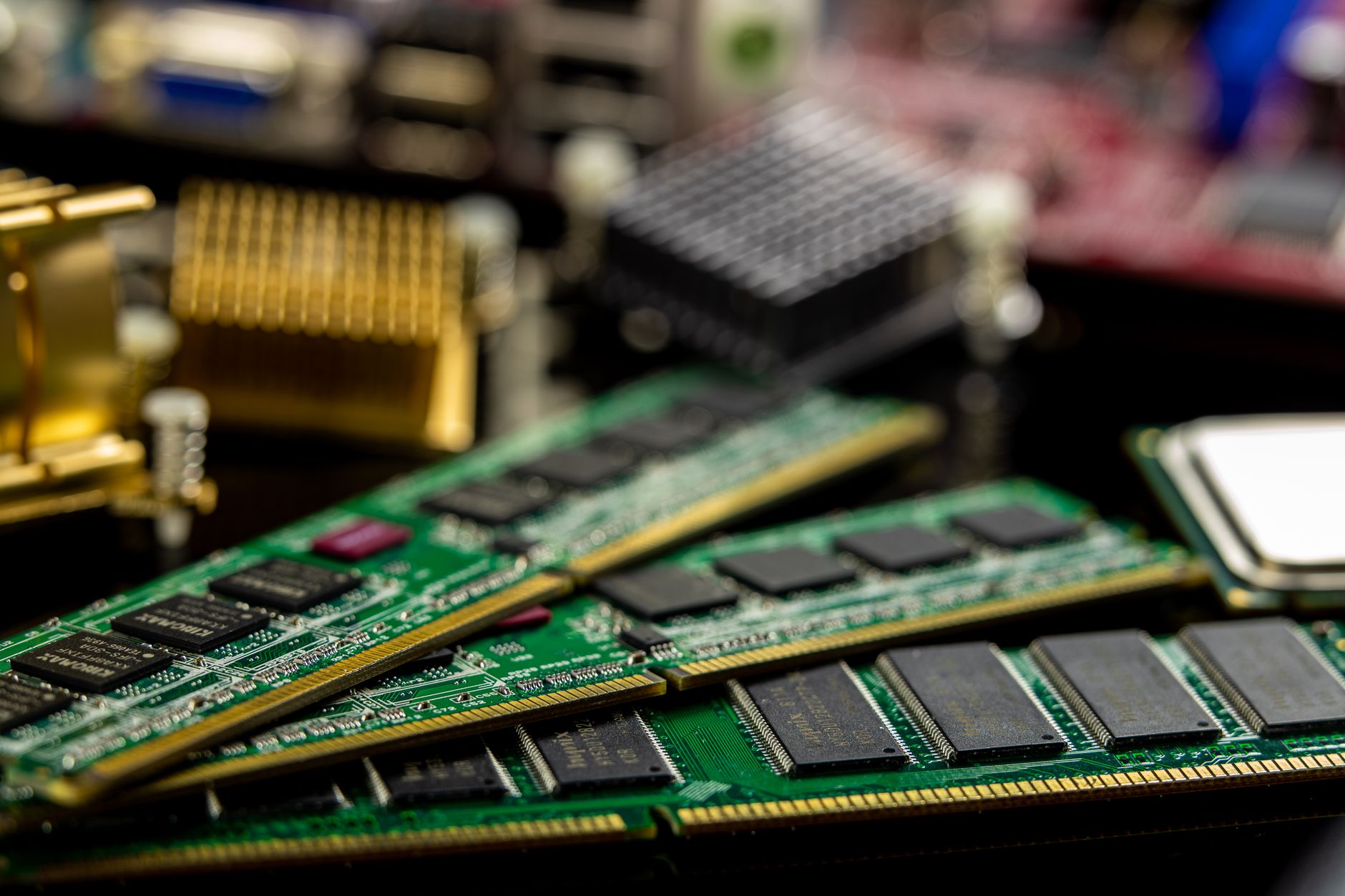
In what seems like a page torn from a science fiction novel, researchers have ingeniously transformed DNA into a memory storage device. This groundbreaking development could herald a new era in sustainable technology. The DNA-based device, dubbed a 'memristor', uses a mere fraction—100 times less, to be exact—of the energy consumed by conventional memory devices.
DNA, the renowned biological blueprint of life, is now making waves in the technological sphere. Scientists have leveraged its natural capacity to store vast amounts of information in a stable and compact form. This innovative approach taps into the molecular structure of DNA, reconfiguring it to function like a rewritable memory device, akin to the RAM in computers.
An Intersection of Biology and Electronics
The technology, developed through a method known as DNA origami, involves folding DNA molecules into intricate shapes. These shapes are then utilised to create tiny diamond-like crystals that form the core of the memristor. This process not only highlights the versatility of DNA but also showcases its potential beyond its biological confines.
The implications of this innovation are profound. As the world grapples with increasing energy demands and the pressing need for sustainable solutions, such a low-power device could transform industries reliant on data storage and computing. The memristor's minimal energy requirement makes it an attractive prospect for tech companies aiming to reduce their carbon footprint.
Future Prospects and Challenges
While the technology is still in its nascent stages, the possibilities it presents are vast. From faster, more efficient data centres to eco-friendly consumer electronics, the DNA-based memory device could pave the way for a greener technological future. However, challenges remain in scaling this technology for mass production and ensuring its stability over extended periods.
As scientists continue to refine this technology, the balance between biological ingenuity and technological application may well define the next chapter of the digital age. The journey from DNA as a biological cornerstone to a technological keystone is just beginning, promising a future where the two realms are seamlessly intertwined.