Revolutionary Liquid Treatment Promises Pain-Free Cavity Prevention
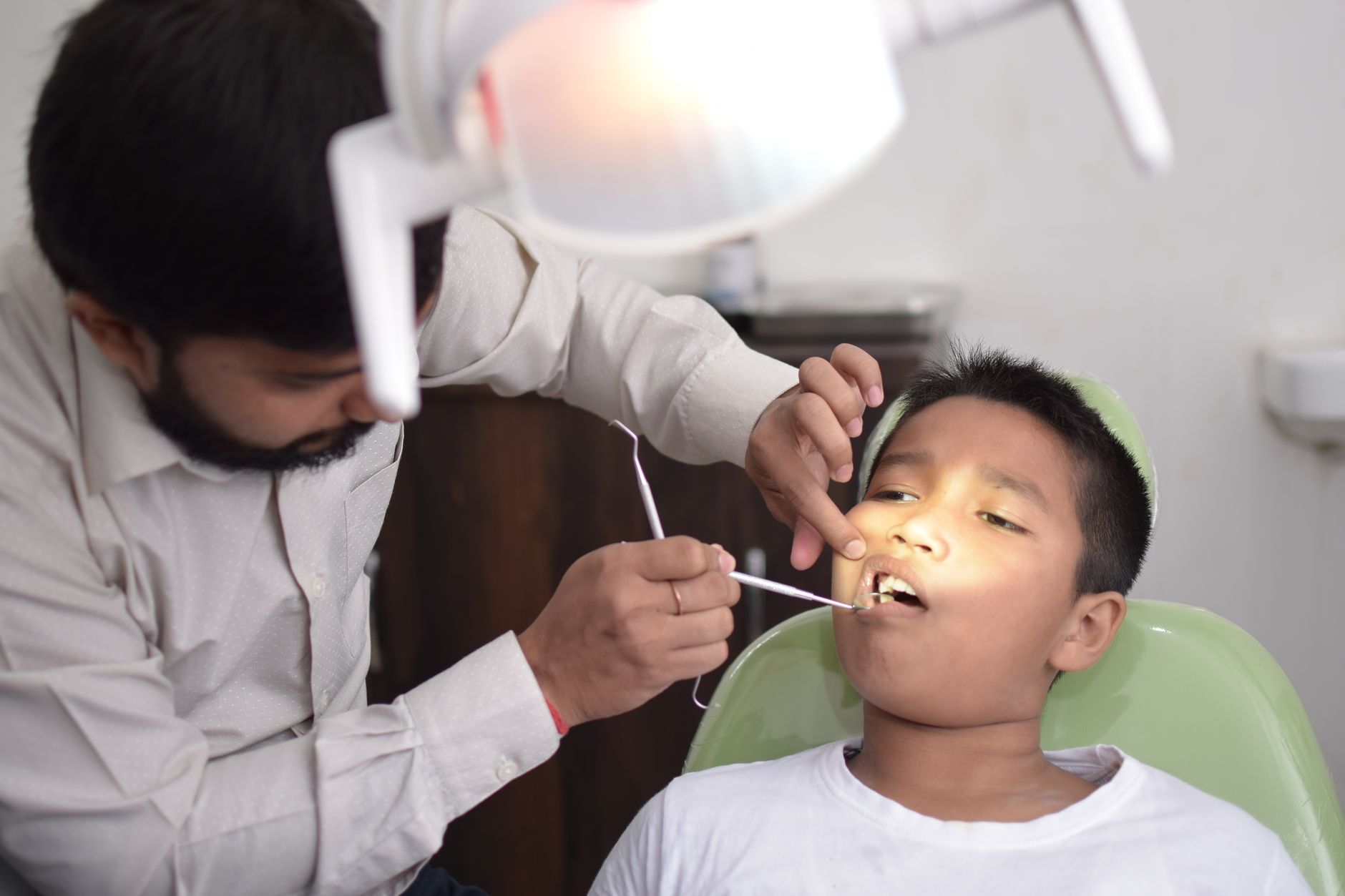
For generations, the dental drill has been a source of dread for children and adults alike. However, a new study from the University of Michigan has unveiled a groundbreaking method to treat tooth decay without the dreaded whirring of a drill. The magic ingredient? Silver diamine fluoride (SDF), a liquid that, when painted onto a tooth, can halt cavities in a matter of seconds.
This liquid treatment, which has been gaining traction in the United States, offers a painless alternative to traditional cavity treatment methods. The application process is simple: a dentist uses a sponge-tipped applicator to brush the liquid onto the affected area, sparing the child from the anxiety of drills and needles.
In a major trial, SDF successfully stopped decay in over half of the treated baby teeth, a statistic that promises to reshape paediatric dentistry. Dr. Emily Martin, the lead researcher, said, "This method not only prevents decay but also reduces the risk of pain and infection, making dental visits less intimidating for children."
The Science Behind Silver Diamine Fluoride
While the concept may sound like something out of a futuristic novel, the science behind SDF is well-grounded. Originally approved in the U.S. for treating tooth sensitivity, SDF works by strengthening the enamel and dentine, effectively creating a barrier against the spread of decay.
Moreover, the silver component in SDF acts as an antimicrobial agent, targeting bacteria that thrive in the mouth. This dual-action mechanism not only halts existing decay but also prevents future occurrences, providing a comprehensive shield for young teeth.
Implications for the Future
The introduction of SDF into mainstream dental practice could mark a significant shift in how cavities are treated, particularly in children. By reducing the need for invasive procedures, the treatment aligns with a growing emphasis on minimally invasive dentistry.
However, while SDF presents a promising alternative, dental professionals caution that it is not a panacea. Regular check-ups and good oral hygiene remain essential components of dental care. Yet, for many children, the prospect of a dental visit without the fear of drilling could mean fewer tears and a healthier smile.
As the dental community assesses the broader implementation of SDF, parents and practitioners alike are hopeful. This small vial of liquid, it seems, could be a giant leap forward for comfortable and effective dental care.