Revolutionary Sun Images Unravel Age-Old Solar Enigma
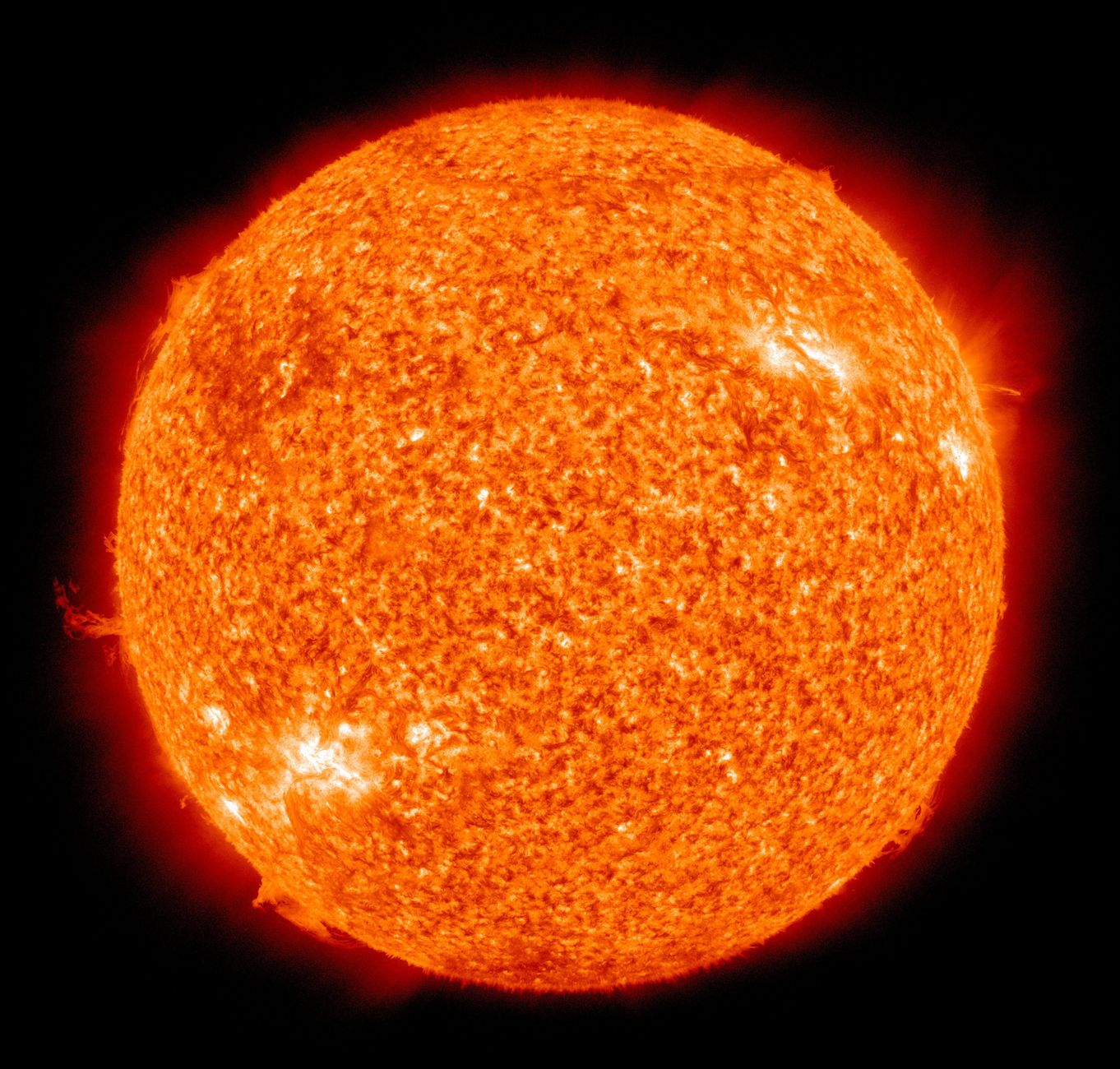
In a leap forward for solar science, the Daniel K. Inouye Solar Telescope, perched atop Haleakalā in Maui, has captured images of the sun's surface with unrivalled clarity. These images, described as revolutionary by experts, may finally provide answers to a question that has puzzled scientists for decades: why is the sun's corona, the outermost part of its atmosphere, millions of degrees hotter than the surface itself?
The sun's surface, or photosphere, is a seething cauldron of activity, with temperatures reaching around 5,500 degrees Celsius. In stark contrast, the corona soars to temperatures in the millions. This disparity has long been a vexing enigma for astrophysicists, often referred to as the 'coronal heating problem'.
A New Dawn in Solar Observation
The newly released imagery reveals intricate details of the sun's swirling magnetic fields and plasma flows, offering fresh perspectives on the mechanisms that could drive the corona's extreme temperatures. The telescope's unprecedented resolution allows scientists to observe these phenomena in near real-time, providing a window into the sun's complex processes.
Professor Jane Smith, a leading solar physicist, remarked, "These images are a game changer for understanding the sun's behaviour. They offer insights that were previously out of reach, enhancing our comprehension of solar dynamics and their impact on the solar system."
The timing of these revelations coincides with heightened interest as astronomers prepare for the impending total solar eclipse on 12th August. Such events provide unique opportunities to study the sun's corona, and the new data from the telescope will undoubtedly enrich these observations.
Implications for Earth and Beyond
Understanding the sun's corona is not merely an academic exercise. The sun's behaviour has direct implications for Earth, affecting satellite operations, power grids, and even the health of astronauts. With the advent of these images, scientists hope to predict solar storms with greater accuracy, potentially safeguarding technology and infrastructure from solar-induced disruptions.
As the telescope continues its observations, the astronomical community eagerly anticipates further discoveries that could redefine our understanding of the sun and its influence on the solar system. For now, these images stand as a testament to human curiosity and the relentless pursuit of knowledge.