Rewilding Triumph: Green Oasis Amid England's Arid Landscape
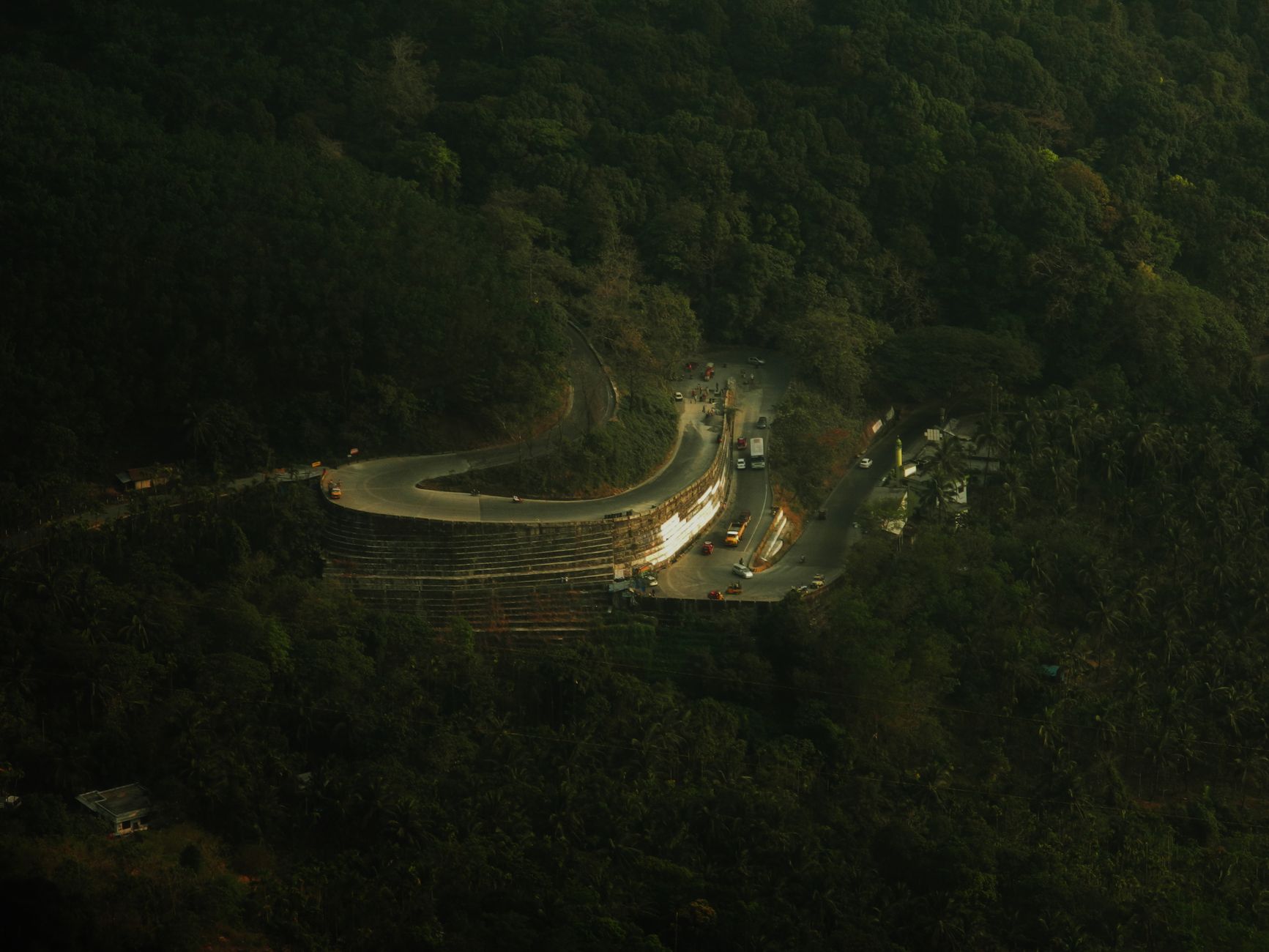
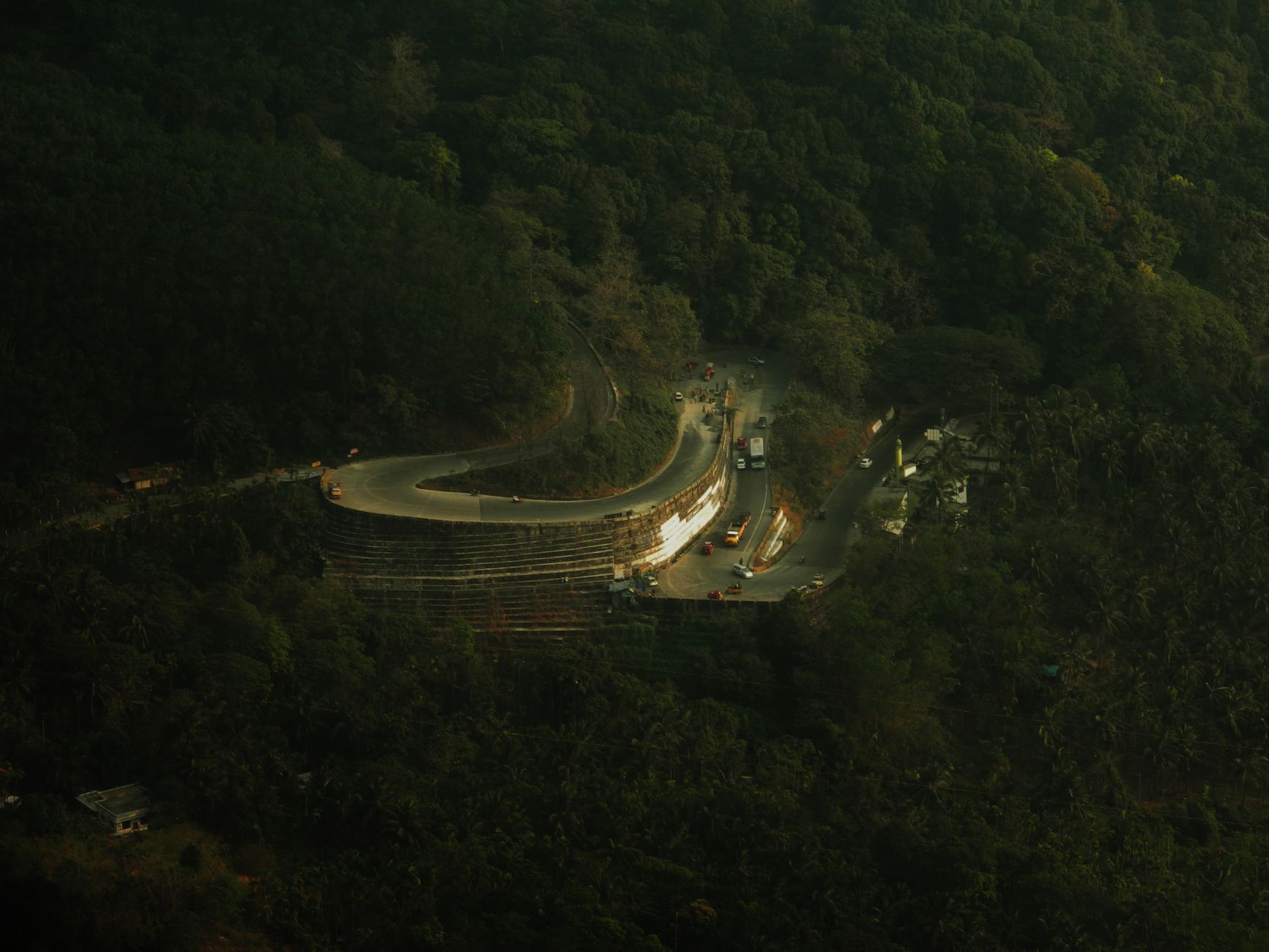
As the English countryside contends with an unrelenting drought, one patch of land stands defiantly green, a testament to the power of nature when left to its own devices. The Holnicote estate, part of the National Trust's ambitious rewilding initiative, has emerged as a lush anomaly in a sea of parched fields.
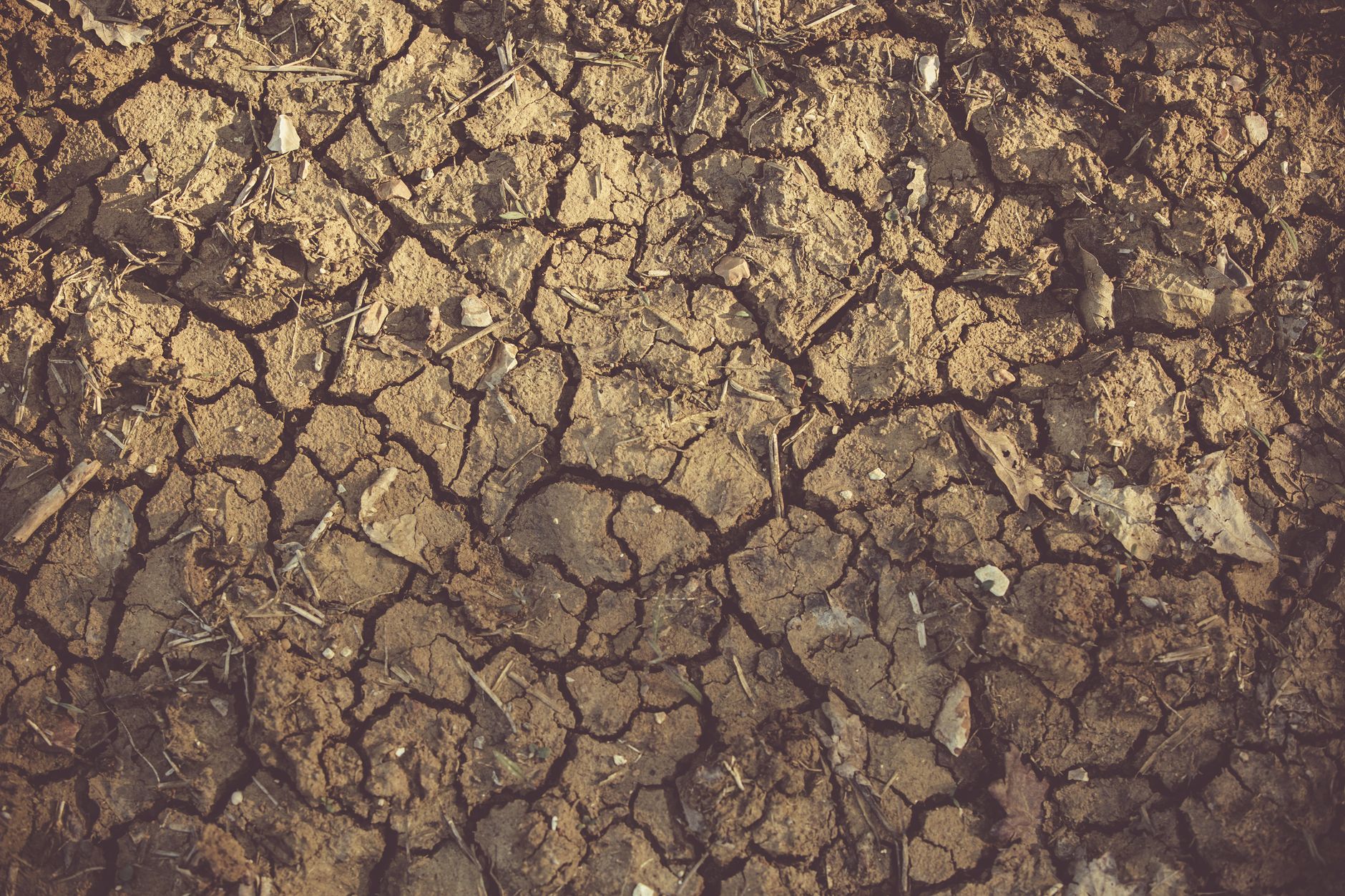
This summer, characterised by five successive heatwaves, has left much of southern England looking decidedly beige. Yet, the rewilded areas of Holnicote remain vibrant, their verdancy captured in a series of striking images that contrast sharply with the surrounding landscape.
The Rewilding Initiative
At the heart of this transformation is the estate's rewilding project, where rivers have been returned to their natural courses and wetlands meticulously restored. This not only enhances biodiversity but also serves as a natural buffer against climatic extremes. By storing water during dry spells and mitigating floods during heavy rains, the rewilded lands have maintained their ecological balance.
The initiative is part of a broader effort by the National Trust to combat the effects of climate change through nature-based solutions. By allowing ecosystems to function more naturally, these areas can adapt more resiliently to environmental stresses, offering a model for similar projects across the UK.
Implications for Climate Strategy
The success of Holnicote's rewilding project has significant implications for climate adaptation strategies. As the UK grapples with increasingly erratic weather patterns, such initiatives provide a blueprint for sustainable land management. The resilience demonstrated here suggests that encouraging natural processes could be key to mitigating the impacts of climate change.
In an era where human intervention often exacerbates environmental issues, these rewilding efforts remind us of the benefits of stepping back. Letting nature take its course, it seems, might be one of the most effective strategies for preserving our landscapes in the face of climate adversity.