Riyadh Airport Struck Again Amidst Trump's Unexpected Ceasefire Proposal
The tranquil dawn in Riyadh was shattered by another missile strike at King Khalid International Airport, leaving at least 12 dead and hundreds injured. This latest attack is the most lethal on a Gulf Arab nation since the onset of the Iran conflict, further inflaming regional tensions. The Saudi-led coalition has squarely pointed the finger at the Houthi rebels, accusing them of escalating the conflict.
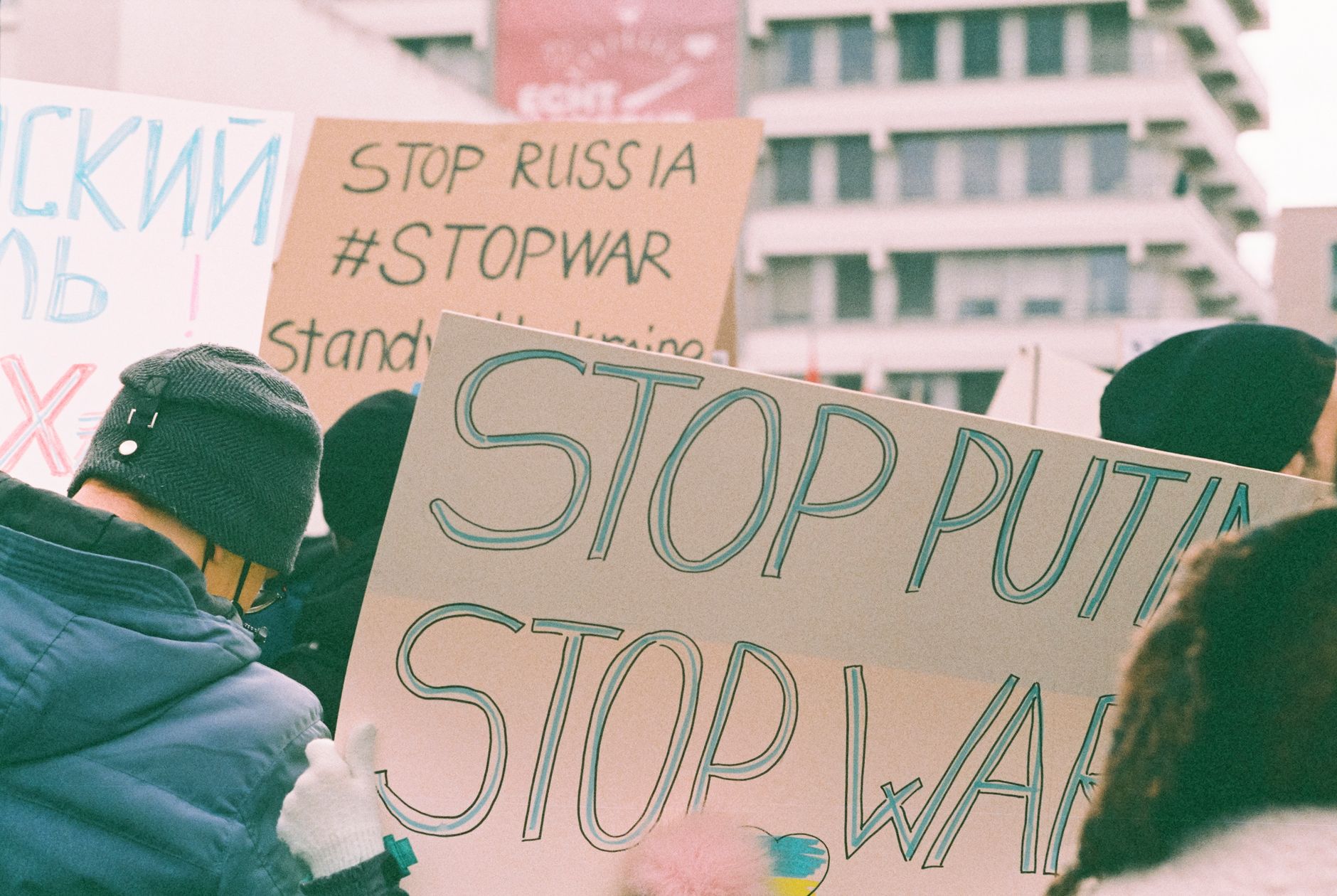
While Riyadh grapples with the aftermath, further afield, former President Donald Trump has drawn attention with his announcement of an 'energy ceasefire' between Russia and Ukraine. Initially met with scepticism, particularly from Ukrainian President Volodymyr Zelensky, the proposal has since garnered his backing. However, Russia has yet to comment, leaving the international community in a state of speculation.
Trump's announcement, made on Truth Social, claims to halt the energy dispute, potentially easing tensions in the region. Zelensky, caught off-guard by the announcement, later expressed tentative support, perhaps viewing it as a diplomatic lifeline amidst ongoing hostilities with Russia. Nevertheless, with Russia's silence, the proposal's efficacy remains dubious at best.
The juxtaposition of these two crises underscores a volatile geopolitical landscape. The missile attacks on Riyadh highlight the persistent instability in the Middle East, while Trump's unexpected diplomatic intervention in Eastern Europe adds a layer of complexity to global energy politics.
As the world watches these developments unfold, the hope is for de-escalation and dialogue. Yet, with entrenched positions on both sides, achieving lasting peace appears to be a formidable challenge. The coming days will undoubtedly test the resolve of all parties involved, as the international community weighs in on paths to peace and stability.