Robot Dogs: The New Guardians of Graveyard Shifts
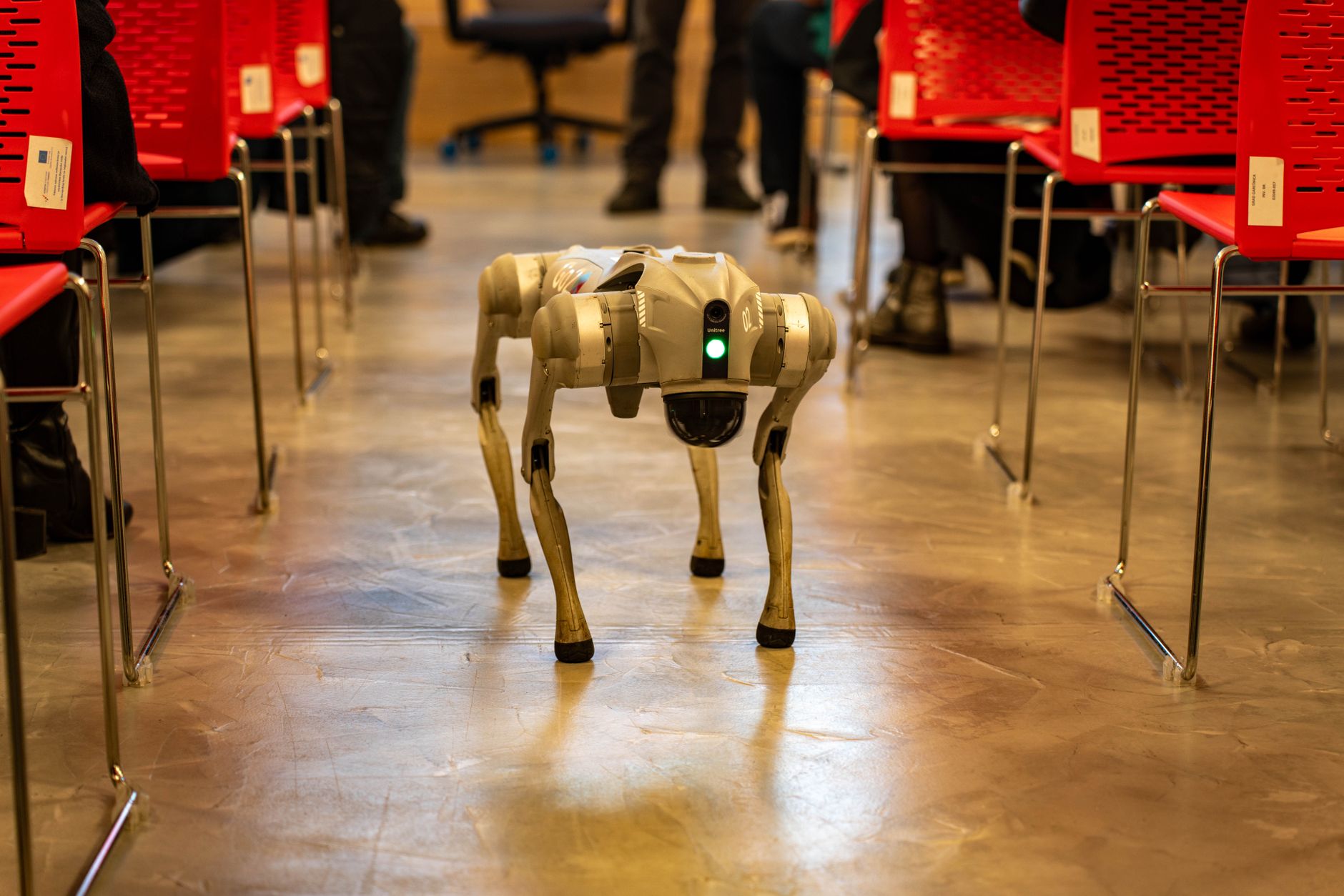
In the dead of night, where shadows stretch long and the silence is palpable, the guardians of graveyards have long been human eyes and ears. Yet, a new breed of sentinel is emerging — one that doesn’t blink, tire, or frighten easily. Enter the robot dog, the latest addition to the security arsenal patrolling these haunting domains.
The integration of robotic canines into security protocols marks a significant shift in how graveyard shifts are manned. Unlike their human counterparts, these mechanical hounds offer the promise of unwavering vigilance, equipped with cameras and sensors to detect anomalies that might escape the human eye. This technological advancement is not merely a gimmick; it's a response to the increasing demands for efficiency and reliability in security operations.
The Advantages of Automation
Deploying robot dogs in graveyards is not merely about replacing humans with machines. It’s about redefining the roles humans play in these environments. By delegating routine patrols to robots, human guards can focus on more complex tasks, such as analysing security data and responding to specific threats. This division of labour could lead to not only safer workplaces but also potentially more rewarding jobs for those in the security industry.
Moreover, these robotic sentinels come equipped with advanced technology capable of real-time data transmission, providing a live feed to security teams stationed remotely. This feature allows for immediate action in case of any suspicious activity, thereby enhancing the overall security infrastructure.
Implications for the Security Industry
As with any technological innovation, the introduction of robot dogs raises important questions about the future of work in the security sector. Will these machines render human guards obsolete, or will they create new opportunities for employment? The answer may well depend on how organisations choose to integrate these technologies into their operations.
While some may view these developments with trepidation, fearing job losses and the dehumanisation of security roles, others see them as a natural evolution in a world increasingly reliant on technology. The key lies in striking a balance, ensuring that the human touch remains an integral part of security operations, even as machines take on more routine tasks.
In this digital age, where the boundaries between man and machine continue to blur, the graveyard shift is just the latest frontier in a broader transformation. Whether this is the beginning of the end for the traditional night guard or the dawn of a new era in security remains to be seen. What is clear, however, is that the robot dogs have already begun their watch.