Rohit Pawar Champions Gen Z's Call for Issue-Based Politics
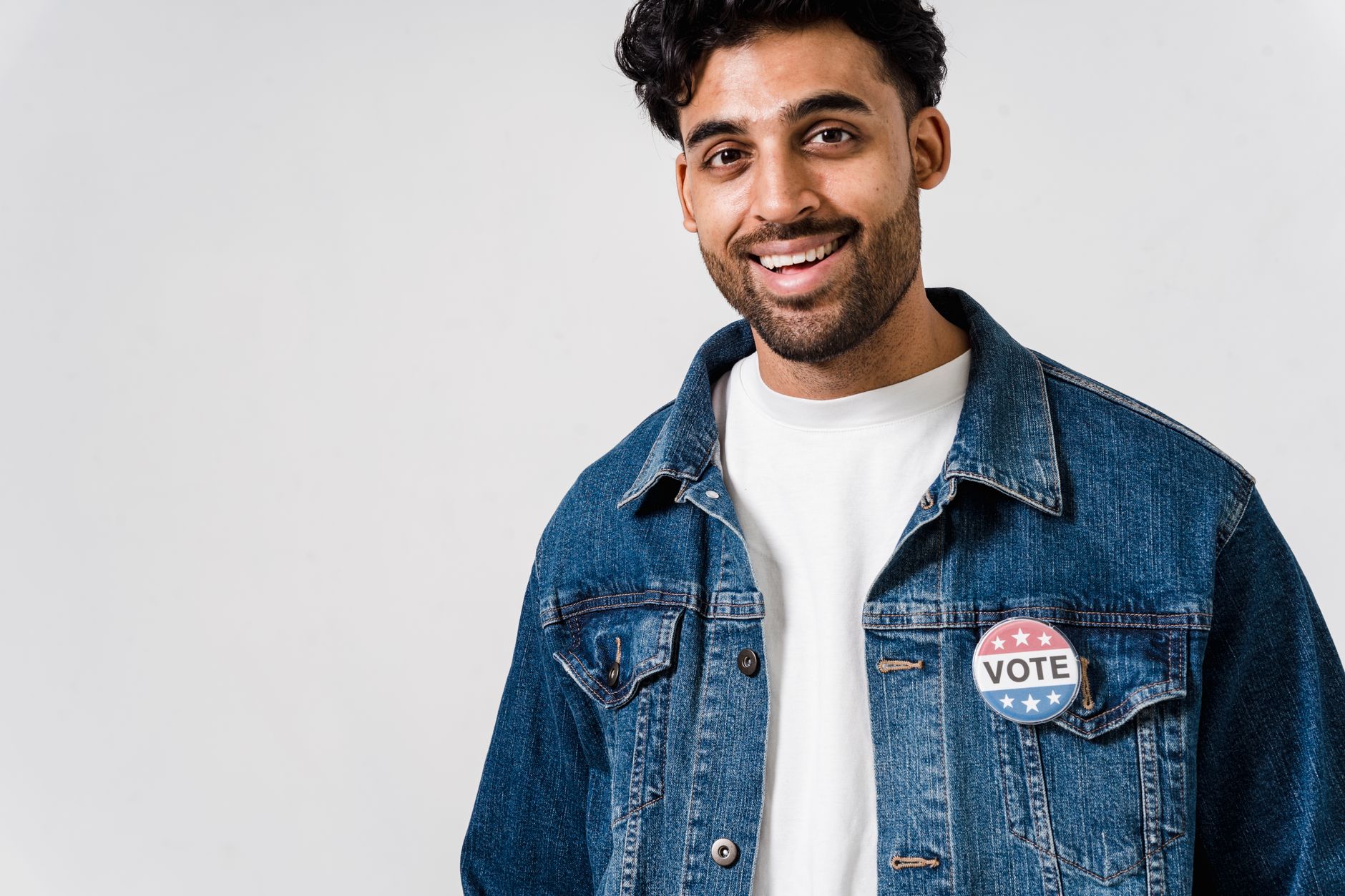
In a world increasingly dictated by the ever-swelling currents of social media, the voice of Generation Z is growing louder and more insistent. Rohit Pawar, the MLA for Karjat-Jamkhed, has positioned himself as a champion of this vibrant demographic's call for issue-based politics. Speaking at NDTV Yuva 2026, Pawar highlighted the necessity for the political establishment to genuinely engage with these emerging voters who are reshaping the political landscape with their expectations.
For Gen Z, the demand is clear: politics must transcend the traditional theatrics and focus on tangible issues such as employment, education, and climate change. Pawar, who has made a name for himself by addressing grassroots concerns, argues that it is high time for politicians to pivot towards these pressing matters rather than resorting to divisive rhetoric.
A Shift in Political Engagement
The younger generation's involvement in politics is not just about representation but also about meaningful participation. Platforms like NDTV Yuva 2026 are increasingly crucial as they provide a stage for dialogues that can bridge the gap between young voters and the political elite. 'Abki Baar Gen Z Sarkar', a session that included voices like Anish Gawande and Rhiya Ahir, underscores the changing ideas around political participation.
Pawar's insights during 'Gen’Satta' further delved into how Gen Z's expectations are not mere whims but a call for a more transparent and responsive governance model. They are not content with being passive observers; they wish to be active participants in the democratic process.
Why This Matters
The implications of these shifting dynamics are profound. As more young people enter the electorate, their collective power cannot be ignored. Political parties that fail to address their concerns risk alienating a significant portion of the voter base. Pawar's advocacy for understanding and adapting to these changes is not just timely but essential for the future of Indian democracy.
In conclusion, as NDTV Yuva 2026 continues to spotlight the voices of the young, it becomes increasingly evident that the old guard must listen and adapt. If they do not, they may find themselves out of touch with a generation that is not shy about demanding more from those who seek to represent them.