Samsung Partners with TSMC for Nvidia Memory Chips
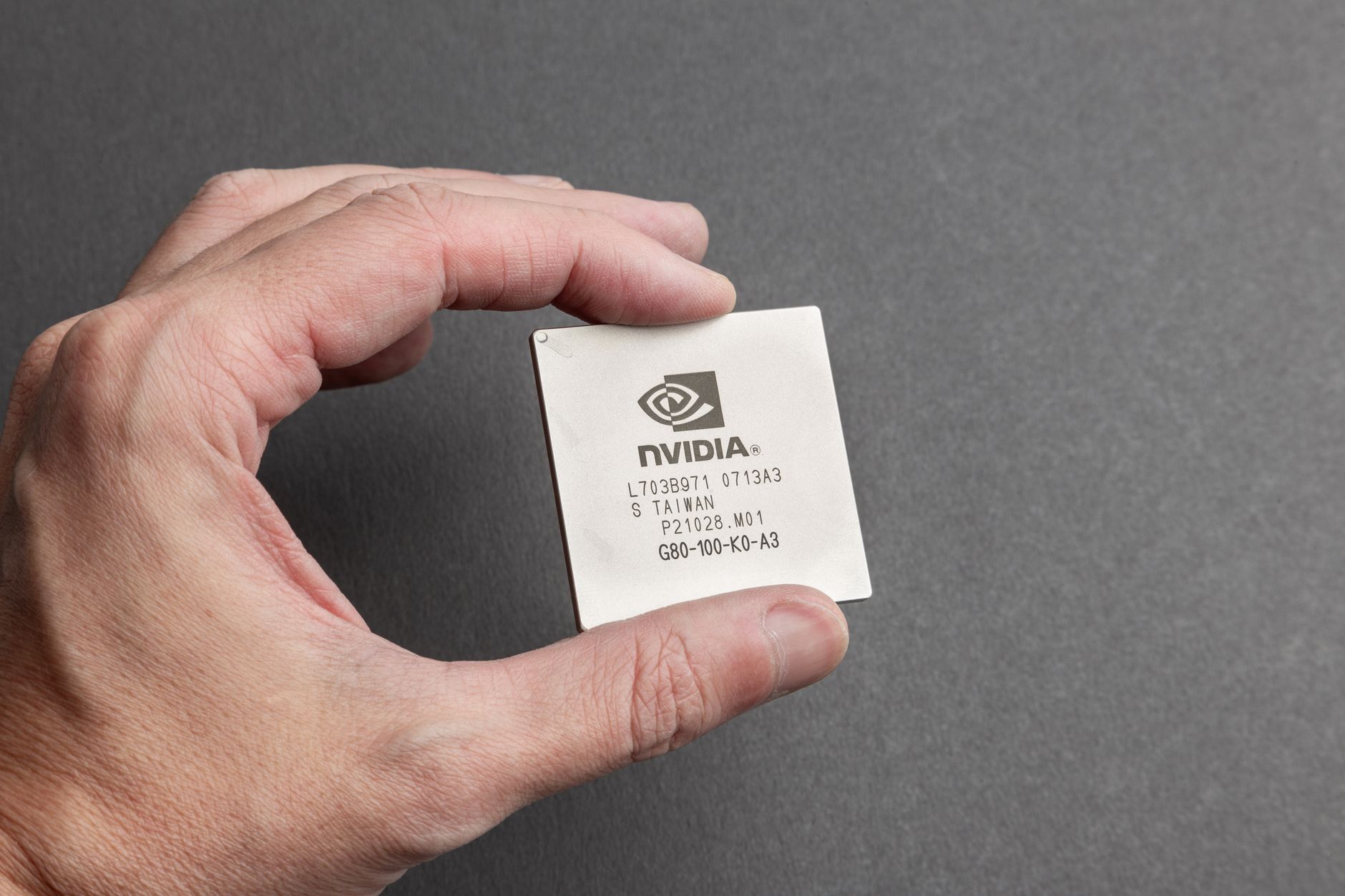
In a move that could send ripples through the semiconductor industry, Samsung Electronics has reportedly opted to use Taiwan Semiconductor Manufacturing Company's (TSMC) cutting-edge 3-nanometre process to manufacture the base dies for Nvidia's next-generation high-bandwidth memory (HBM) chips. The Seoul Economic Daily, citing unnamed sources, reported this strategic decision on Sunday, noting it marks the first time Samsung has engaged with TSMC at this stage of memory chip production.
This collaboration is particularly intriguing as it represents a departure from Samsung's traditional approach. Historically, Samsung has relied on its own manufacturing capabilities, having developed a reputation for its prowess in semiconductor production. However, the decision to partner with TSMC suggests a strategic pivot, potentially driven by the relentless pace of innovation and competitive pressures in the chip industry.
The Implications of the Collaboration
For Nvidia, a leader in graphics processing units, this partnership could yield significant benefits. TSMC's 3-nanometre process is renowned for its efficiency and performance advantages, which could enhance the capabilities of Nvidia's HBM chips. In turn, this may strengthen Nvidia's position in markets reliant on high-performance computing, such as artificial intelligence and data centres.
From Samsung's perspective, leveraging TSMC's technology reflects a strategic openness to collaboration in order to maintain its competitive edge. By adopting external technological advancements, Samsung may aim to streamline its production processes and enhance its product offerings in the face of stiffening global competition.
A Wider Industry Impact?
This partnership, if confirmed, is likely to have broader implications for the semiconductor sector. It underscores a growing trend of collaboration among industry giants, driven by the escalating demands for more powerful and efficient chips. As companies face increasing pressure to innovate, alliances such as this may become more prevalent.
While neither Samsung nor TSMC have officially commented on the report, the potential collaboration has already sparked interest and speculation among industry analysts. As the semiconductor landscape continues to evolve, the integration of TSMC's technology into Samsung's manufacturing processes could herald a new chapter in the competitive dynamics of the global chip market.