Sankey Tank Faces Existential Threat from Unchecked Development
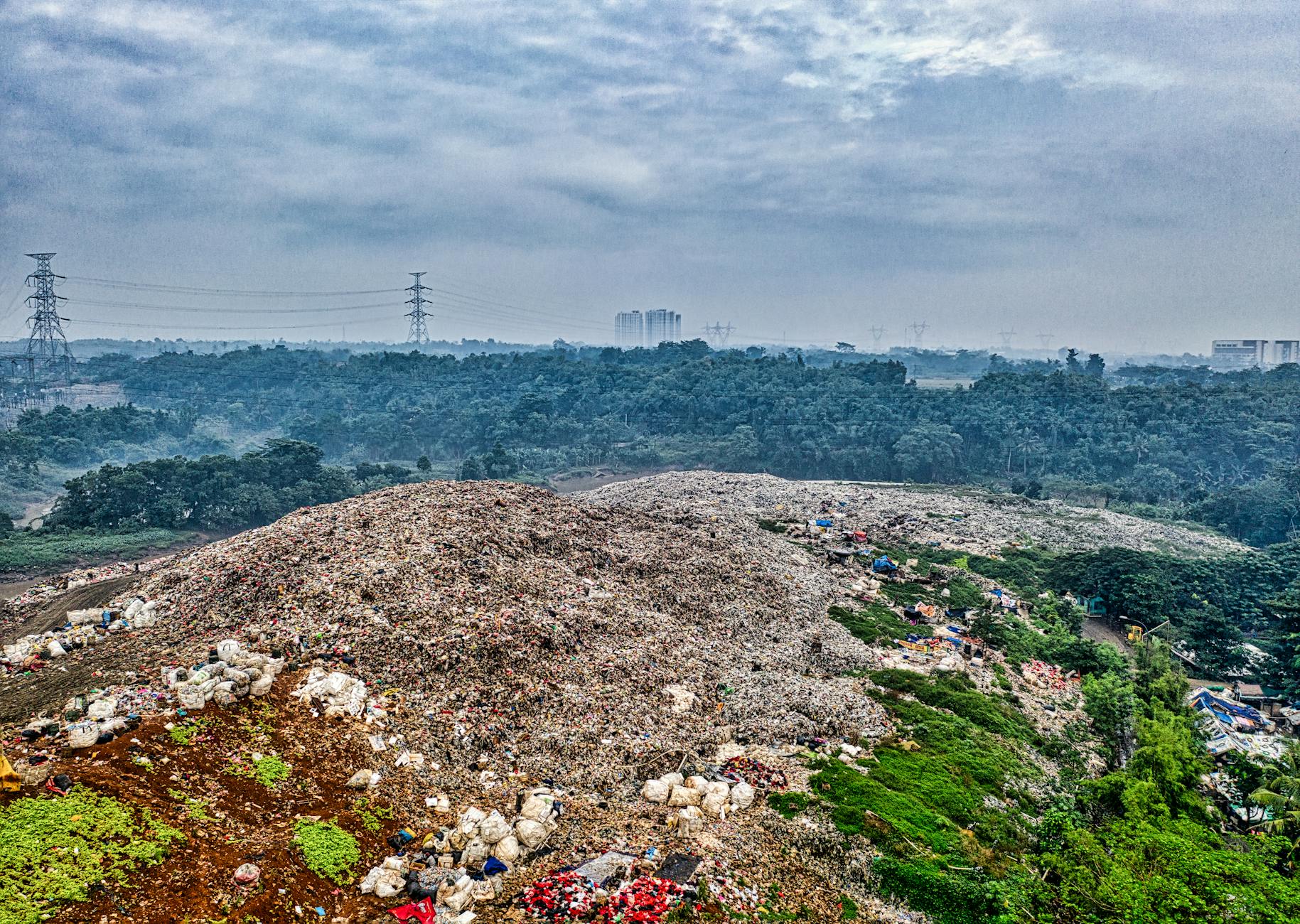
In the bustling city of Bengaluru, the Sankey Tank stands as a silent witness to the passage of time, its once crystal-clear waters now tainted by the murk of unchecked urban development. Environmentalists have sounded the alarm, proclaiming that the lake's plight is symptomatic of a larger ecological crisis.
Built in 1882 by the British engineer Richard Sankey, the lake was part of a strategic network of water bodies designed to secure water supply for the city’s burgeoning population. Yet today, Sankey Tank finds itself ensnared in a web of sewage contamination and stormwater mismanagement, hastened by what critics describe as 'unscientific urbanisation'.
The situation, say environmental groups, is dire. The lake's water levels have dropped alarmingly, attributed to both natural and man-made causes. One cannot overlook the significant decrease in groundwater levels and the reduced inflow due to encroachments and blocked inlets. The Bangalore Water Supply and Sewerage Board, typically a guardian of the city's water resources, has been accused of inaction.
The Broader Impact
The concerns extend beyond the immediate area surrounding the lake. The degradation of Sankey Tank is seen as a microcosm of the challenges facing urban ecosystems across Bengaluru. As the city expands, the demands on its natural resources intensify, often at the expense of environmental integrity.
Activists argue that the issue is no longer confined to the lake itself. It is a harbinger of potential disasters awaiting other water bodies if sustainable urban planning measures are not adopted promptly. The call to action is clear: without urgent intervention, Bangalore's lakes, like Sankey Tank, risk becoming mere historical footnotes rather than thriving ecological havens.
A Call for Sustainable Solutions
Experts urge a re-evaluation of development policies, advocating for initiatives that marry urban growth with ecological preservation. This includes enforcing regulations that protect water bodies from encroachment and pollution, and promoting community-led conservation efforts.
The fate of Sankey Tank, though grim, serves as a crucial reminder of the balance that must be struck between progress and preservation. As the city continues to grow, its approach to natural resources will define not just its environmental health, but its very identity.