Saving the Western Ghats: A Confluence of Science and Community
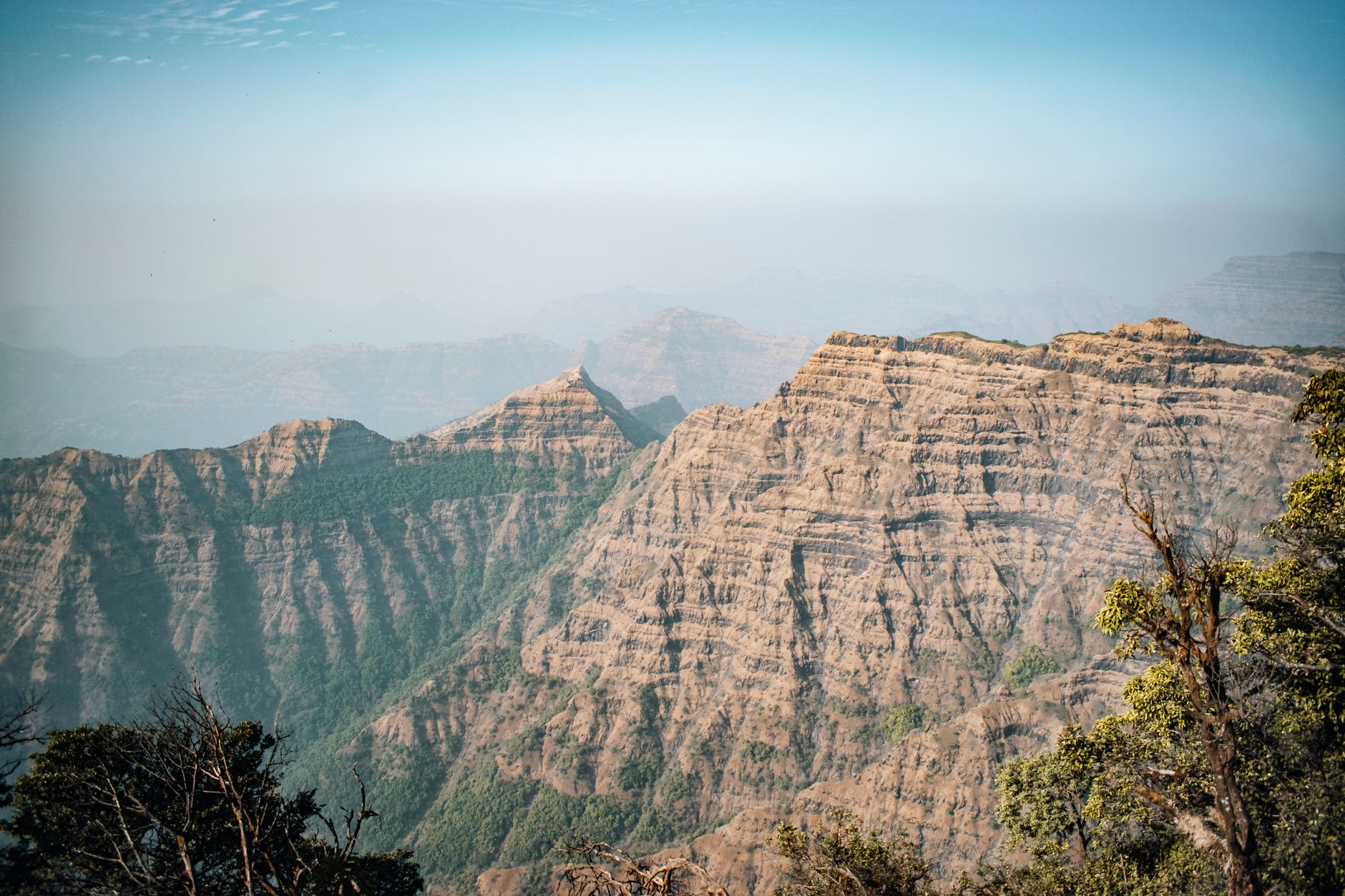
Amidst the lush greenery of the Western Ghats, a bold experiment is underway. Conservationists and local communities are joining forces in an unprecedented effort to safeguard one of the most ecologically rich areas on the planet. The Western Ghats, stretching over six Indian states, are home to a plethora of species, many of which are found nowhere else. This biodiversity hotspot is not only a treasure trove for scientists but also a vital lifeline for millions residing in its vicinity.
The challenge, however, lies in balancing the ecological demands with the socio-economic needs of the local populace. The Ghats have been at the centre of an ongoing debate between development and conservation, with the Gadgil and Kasturirangan committees offering differing recommendations on how best to preserve this natural wonder.
A Science-Driven Approach
Scientific research has provided a foundation for conservation efforts. From mapping biodiversity to understanding the impacts of climate change, the role of science is indispensable. The Western Ghats are recognised by UNESCO as a World Heritage site, underscoring their global significance. However, as experts point out, science alone cannot dictate the terms of conservation.
Dr. Madhav Gadgil, a prominent figure in the conservation dialogue, has long advocated for a science-based approach that does not ignore the voices of those who have coexisted with the natural landscape for centuries. His emphasis on community involvement is gaining traction, leading to more inclusive conservation strategies.
The Importance of Dialogue
Engaging with local communities has emerged as a pivotal component of the conservation strategy. These communities possess a wealth of traditional knowledge, having lived in harmony with the Ghats for generations. Conservationists are increasingly turning to this indigenous wisdom to inform their strategies.
The Indian Ministry of Environment and Forests has also recognised the importance of dialogue, facilitating discussions that bring together scientists, policymakers, and local inhabitants. This collaborative approach aims to ensure that conservation measures do not disproportionately impact the livelihoods of those dependent on the forest resources.
As the world watches, the Western Ghats may well serve as a model for how science and community dialogue can converge to address some of the most pressing environmental challenges of our time. The journey is fraught with complexities, but the blend of scientific insight and local engagement offers a promising path forward.