School Assemblies: A Fresh Take on Today's Headlines
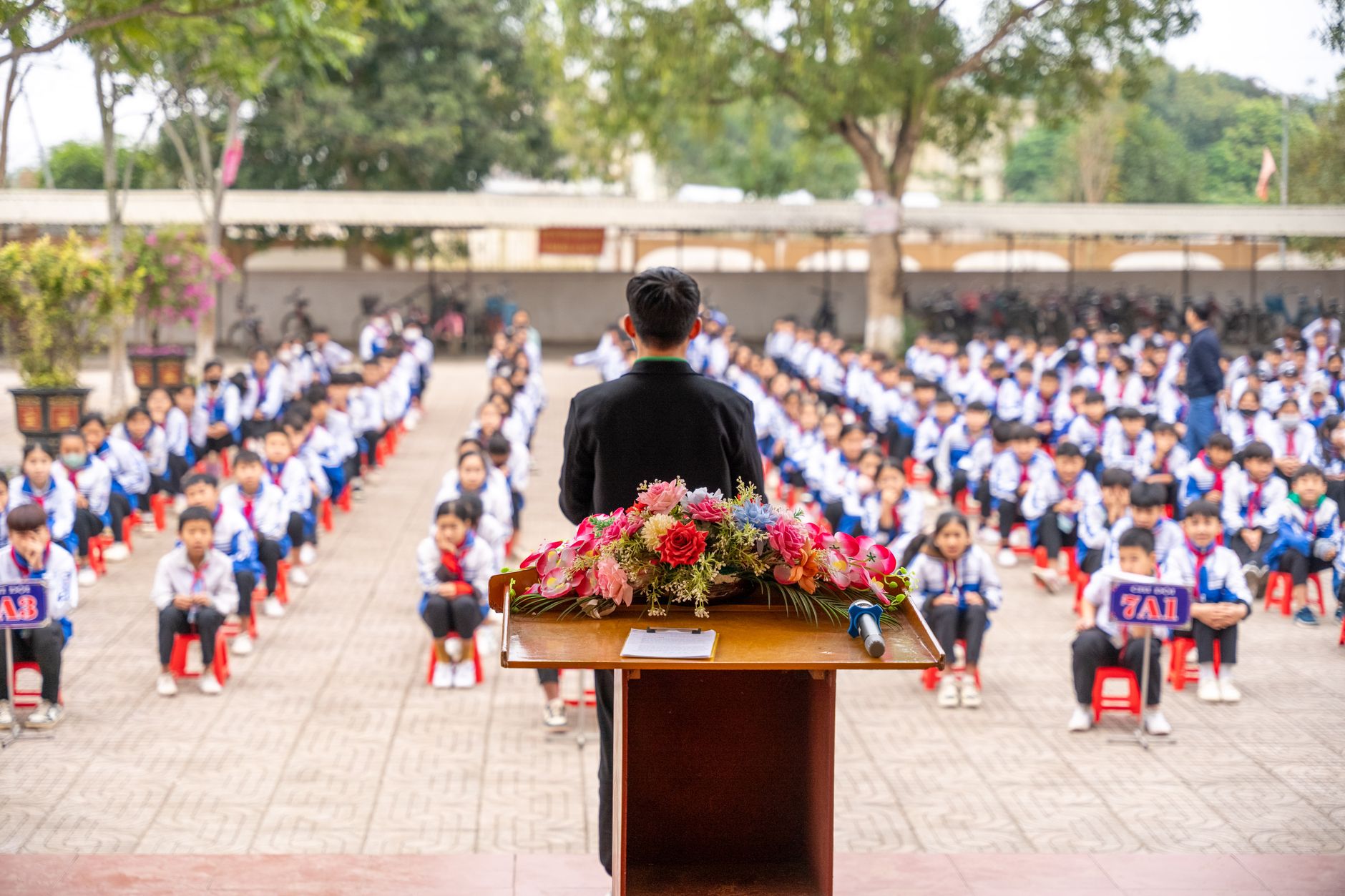
In schools across India today, students will take to the stage, not to perform, but to inform. The morning assemblies, usually a platform for announcements and hymns, have transformed into a dynamic exercise in current affairs. In a bid to cultivate well-informed young citizens, schools are encouraging students to present the latest national, sports, and world news.
This initiative, which has gained popularity over the years, serves multiple purposes. It keeps students abreast of major events, from political developments in India to international sports highlights. For instance, today's headlines might include updates on the Indian cricket team's latest triumphs or the ongoing developments in global politics. Such exposure ensures that students are not isolated in their academic bubbles but are aware of the wider world.
Building Confidence and Awareness
The requirement for students to present news headlines is not merely an academic exercise. It is a well-rounded approach to education, aimed at boosting confidence and honing public speaking skills. As they stand before their peers, students learn to articulate thoughts clearly and engage an audience — skills invaluable in any future endeavour.
Moreover, this practice fosters a sense of responsibility and civic awareness. Early exposure to news encourages students to develop critical thinking skills, enabling them to analyse information critically rather than passively consume it. It is a step towards nurturing discerning individuals who can navigate the complexities of modern society.
A Glimpse into Real World Events
Today's assemblies might touch upon pressing topics such as climate change, international diplomacy, or economic shifts, offering students a glimpse into real-world issues. By contextualising these topics, educators can make abstract concepts more tangible, relating them to students' lives and future choices.
Ultimately, this approach to school assemblies represents a shift in educational priorities. It is a recognition that education extends beyond textbooks, requiring engagement with the world outside the classroom. As these students deliver their news reports today, they do more than share information; they participate in a dialogue about the world they will soon inherit.