Schools to Prioritise Sports and Arts Under New Timetable
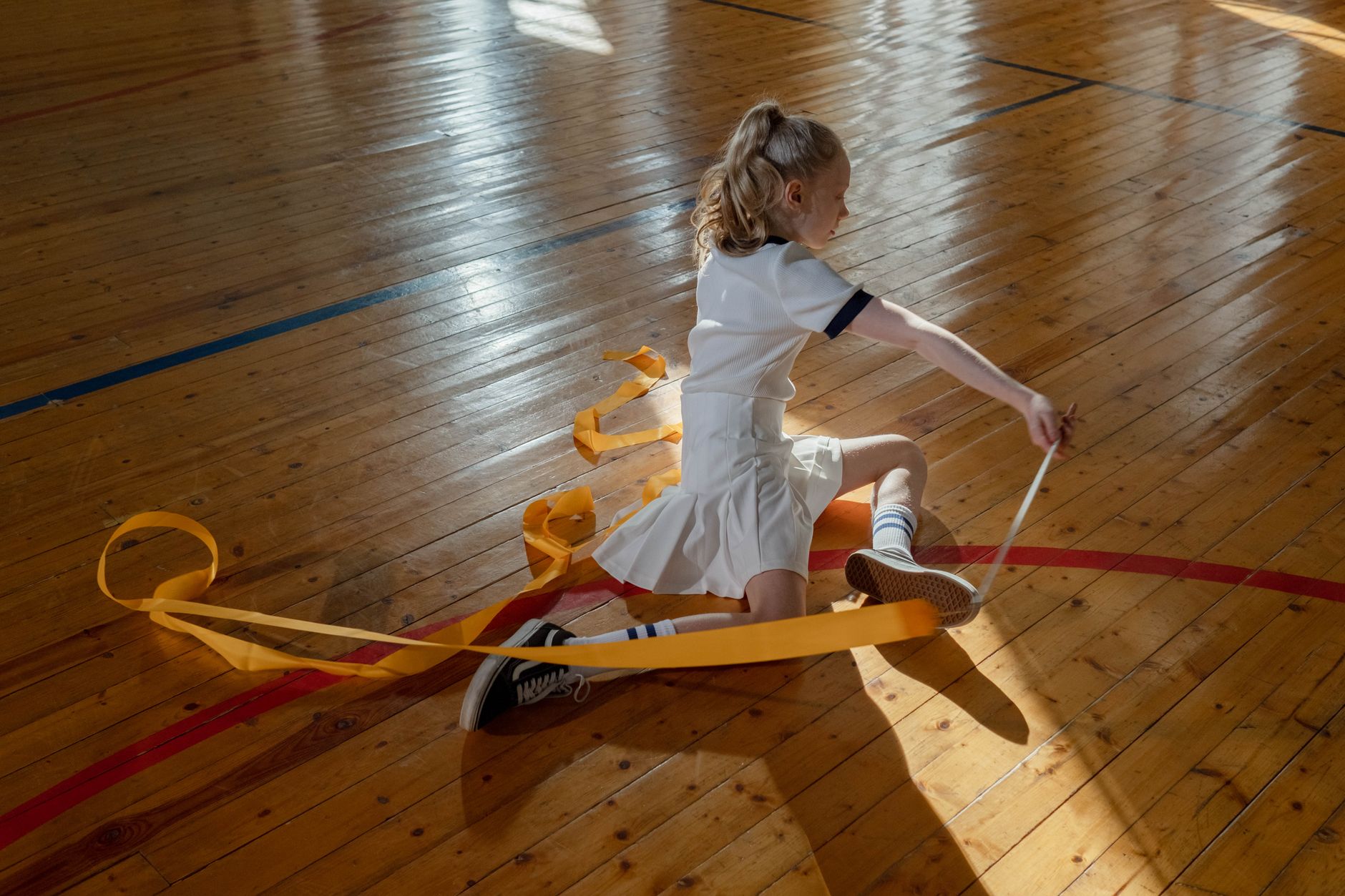
In an initiative that signals a seismic shift in educational priorities, schools across the nation are set to overhaul their timetables to place greater emphasis on sports, arts, and other co-curricular activities. This change, championed by the Ministry of Education and Sports, aims to equip students with a more rounded educational experience, moving beyond the confines of traditional academia.
For years, the rigours of academic achievement have dominated school life, often at the expense of personal development and creativity. However, with increasing concerns about student well-being and mental health, there is a growing recognition that education must evolve to address these issues. The new timetable structure will incorporate dedicated slots for activities such as drama, music, computer coding competitions, and ethical hacking challenges, alongside traditional subjects.
Shaping Well-Rounded Individuals
Prime Minister Tarique Rahman recently reiterated the government's commitment to supporting these activities, noting how they can alleviate academic pressure and nurture essential life skills. "It’s not just about scoring top marks," remarked Rahman. "Our children need to be prepared for the complexities of modern life, and that includes being adaptable, creative, and resilient."
Research supports this initiative, suggesting that participation in co-curricular activities can significantly enhance students' physical and mental well-being. By providing opportunities to explore diverse interests, schools aim to foster a more balanced and engaging learning environment.
Financial and Community Support
The move is not without its challenges. Schools will need to secure funding and resources to adequately support these programmes. However, there is optimism that community involvement and fundraising activities, such as school fairs and art exhibitions, can supplement governmental support. These events not only raise funds but also strengthen community ties, showcasing the talents and creativity of students.
As the new timetable rolls out, educators and parents alike remain hopeful that this reformed approach will cultivate a generation of well-rounded, innovative thinkers prepared to tackle the challenges of the future.