Science and Dialogue: Preserving the Western Ghats
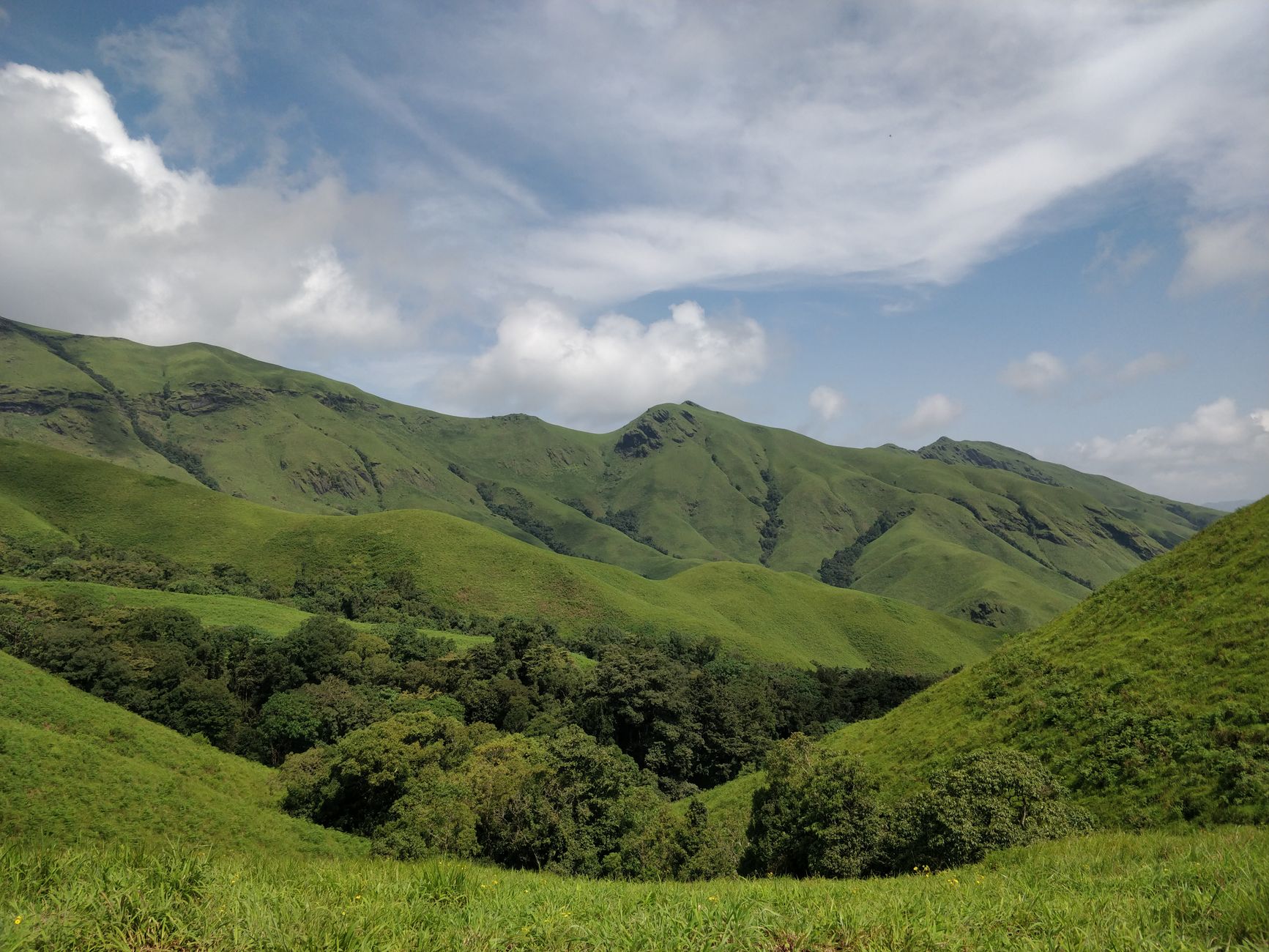
Amidst the lush greenery and towering peaks of the Western Ghats, a silent yet profound effort is underway. This UNESCO World Heritage Site, stretching majestically over six Indian states, is not just a geographical marvel but a vital cog in the ecological machinery of the subcontinent. Home to an astonishing array of flora and fauna, the Ghats are crucial for maintaining the delicate balance of India's biodiversity.
However, the task of conserving this biological treasure is fraught with challenges. Human encroachment, deforestation, and climate change are continually threatening the fragile ecosystems. In response, scientists and conservationists are turning to a blend of scientific research and local dialogue, a strategy that is as innovative as it is necessary.
Science Meets Tradition
Scientific research has been pivotal in identifying key areas that need immediate protection. By utilising satellite imagery and ecological surveys, researchers have pinpointed regions of critical importance. Yet, science alone cannot achieve conservation. Enter: dialogue with local communities.
These communities, who have lived in harmony with the Ghats for centuries, possess invaluable traditional knowledge. By engaging with them, conservationists aim to create strategies that respect both the environment and the livelihoods of those who depend on it. This participatory approach ensures that conservation efforts are not only effective but also equitable.
Why It Matters
The significance of the Western Ghats extends beyond their borders. They play a crucial role in shaping the Indian monsoon, a weather system that affects millions of lives across the subcontinent. The rivers originating from these mountains are lifelines for agriculture and drinking water in several states.
Conservation, therefore, is not merely about preserving an ecological niche; it is about safeguarding a resource that underpins the very survival of millions. As India grapples with the challenges of climate change and rapid development, the Western Ghats stand as a testament to the importance of balancing progress with preservation.
In the end, it is the collaboration between science and dialogue, between modern techniques and traditional wisdom, that holds the key to conserving the Western Ghats. A success here could well serve as a blueprint for other conservation efforts across the globe.