Science and Dialogue: Saving the Western Ghats
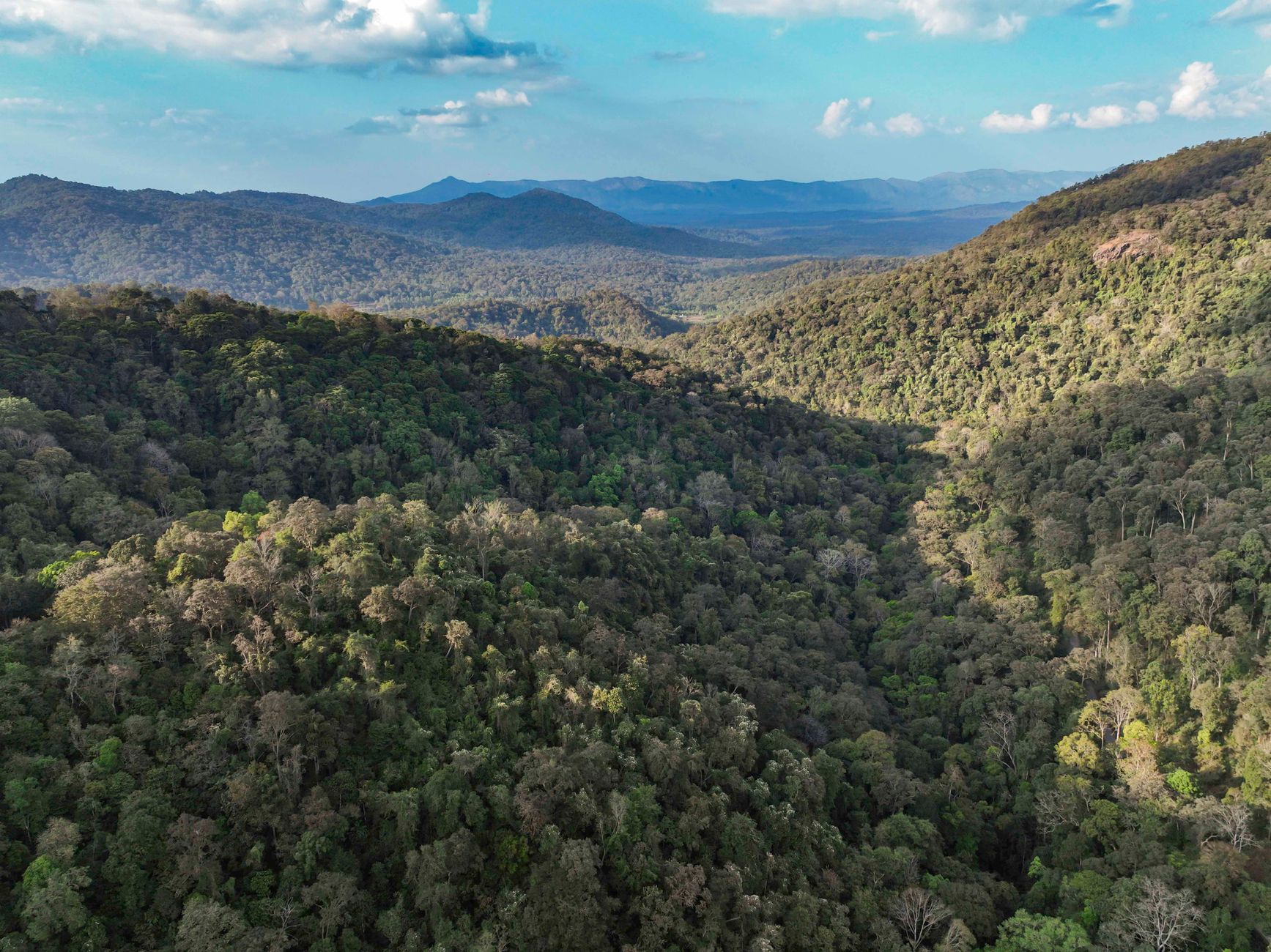
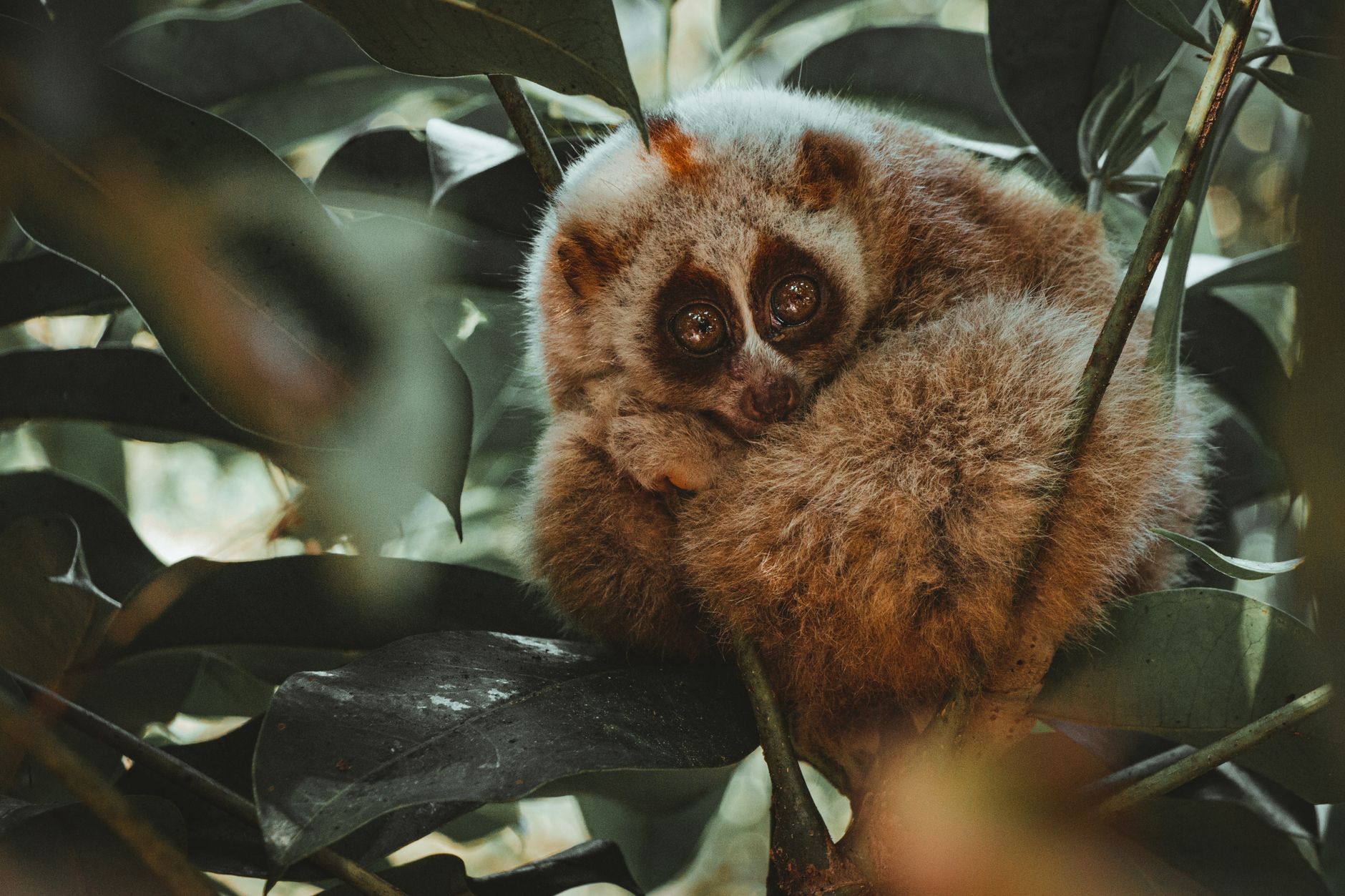
High above the bustling cities of India's western coastline, the Western Ghats stretch like a verdant spine, a 1,600-kilometre-long bastion of biodiversity. This mountain range, recognised by UNESCO as a World Heritage site, harbours a staggering array of life forms, many of which are found nowhere else on Earth. Yet, this ecological treasure is under threat, and its preservation has become a subject of heated debate.
The challenges to conserving the Western Ghats are as diverse as the species they protect. Rapid urbanisation, agricultural expansion, and industrialisation have all taken their toll. Scientists and conservationists are now calling for a more integrated approach, combining cutting-edge research with traditional knowledge and active community engagement.
Scientific Insights and Local Wisdom
Efforts to conserve the Ghats have often been mired in controversy, chiefly due to differing perspectives on how best to balance development with ecological preservation. The Gadgil and Kasturirangan reports, both pivotal to the ongoing discourse, highlight the need for comprehensive environmental regulation. However, they also underscore the importance of taking into account the needs and voices of local communities.
Science alone cannot dictate the future of the Ghats. It must be paired with dialogue, drawing on the local knowledge of those who have lived in harmony with this landscape for generations. Encouragingly, recent initiatives have seen scientists collaborating with indigenous groups to map out sustainable conservation strategies.
Policy, Practice, and Participation
The concept of Ecologically Sensitive Areas (ESAs) has been central to the debate. These zones are intended to limit potentially harmful activities, but have faced opposition from state governments concerned about economic impacts. Resolving these tensions requires deft negotiation and a willingness to engage all stakeholders in meaningful dialogue.
The stakes are high. The Western Ghats are not merely a repository of biological diversity; they are a source of cultural and aesthetic value, a living testament to India's natural heritage. Their fate will depend on our ability to blend scientific insight with participatory governance, ensuring that conservation efforts are as inclusive as they are effective.