Science Unveiled: AI Viruses, Snail Mucus, and Yangtze Floods
In the ever-evolving theatre of scientific discovery, August 2026 stands out with a trio of advances that promise to redefine our understanding of what's possible. First, in a move that seems straight out of a science fiction novel, researchers have harnessed artificial intelligence to design viruses capable of targeting and eliminating drug-resistant bacteria. These AI-crafted viruses could be a beacon of hope in the ongoing battle against superbugs that have outwitted conventional antibiotics.
While some may find the idea unsettling, the potential benefits cannot be overstated. Drug-resistant infections claim hundreds of thousands of lives annually, a grim reminder of nature's ability to adapt. These engineered viruses, or bacteriophages, offer a targeted approach, attacking only the harmful bacteria while leaving the body's natural flora intact.
Snail Mucus: More Than Meets the Eye
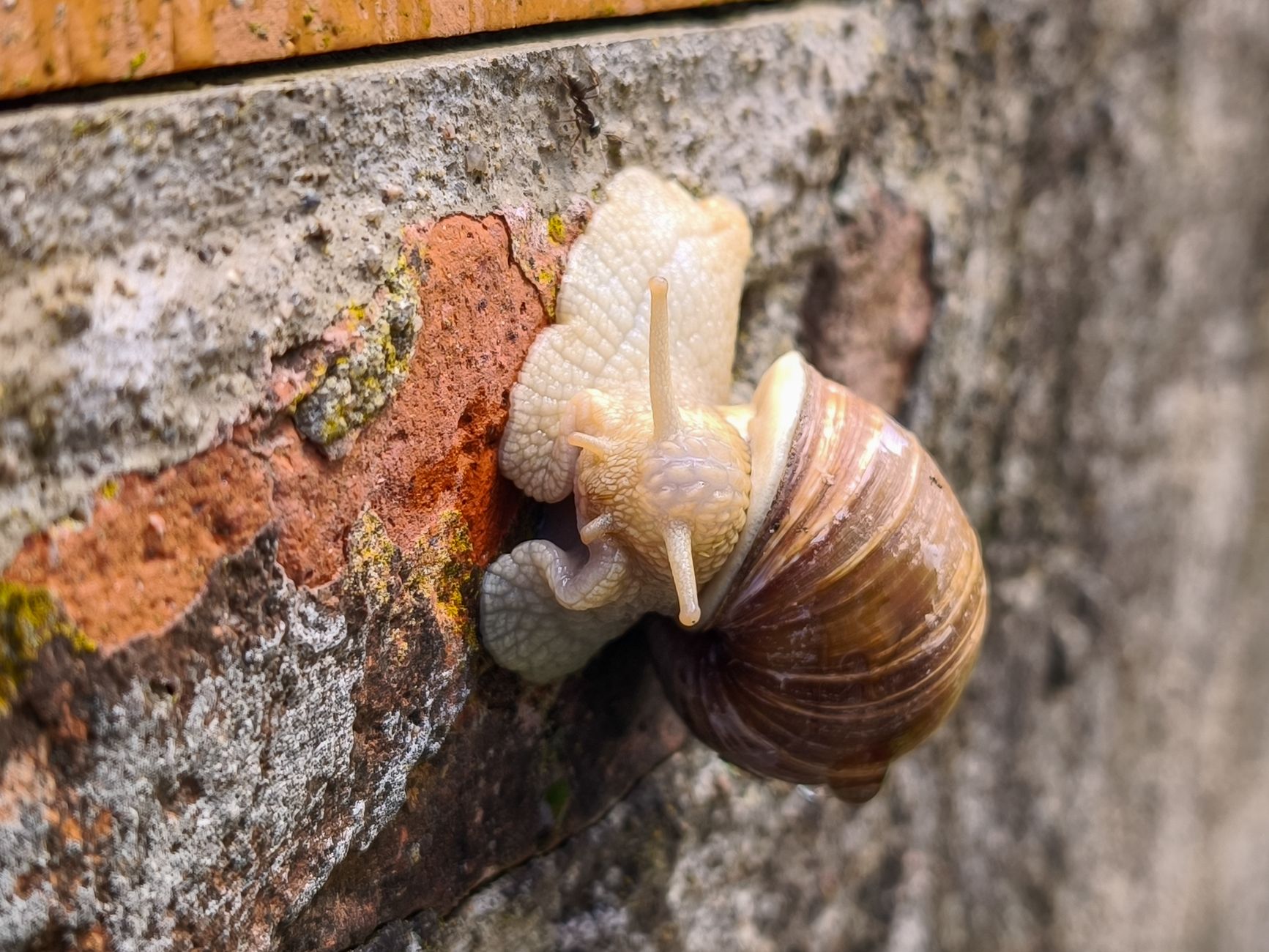
Meanwhile, in an unexpected turn, snail mucus is being hailed as a versatile material with a multitude of uses. Researchers have discovered its remarkable properties, which range from promoting healing in medical treatments to enhancing texture in cosmetics. The humble snail, often regarded as a garden pest, could soon be at the forefront of innovation in diverse industries.
The mucus's unique composition makes it an adhesive and hydrating agent, offering potential in everything from wound care to anti-ageing creams. It's a classic case of turning an unlikely source into a resource, demonstrating the boundless creativity of scientific inquiry.
Engineering Solutions to Natural Problems
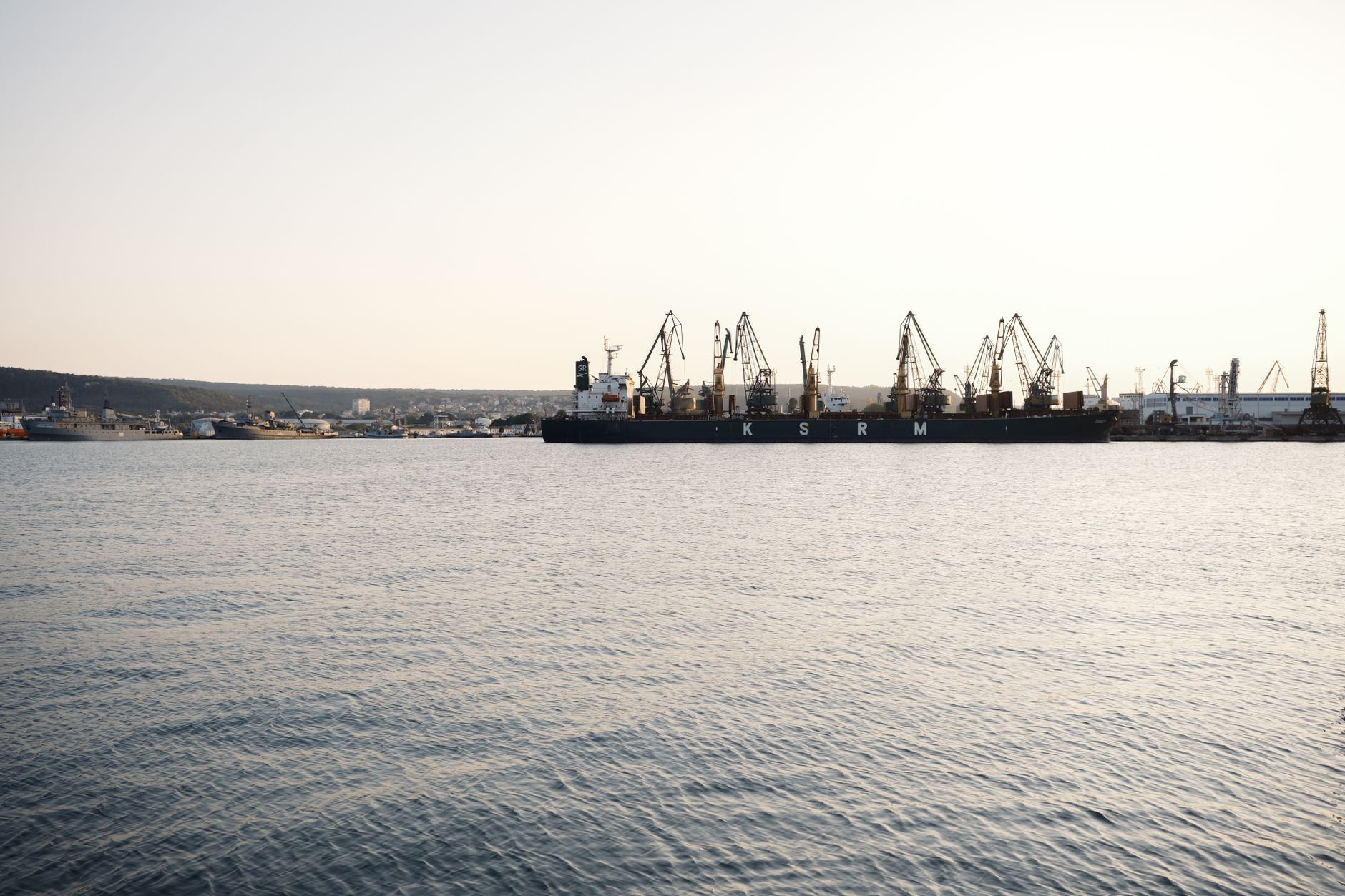
Lastly, the Yangtze River Basin has become a testing ground for novel flood management techniques. Engineers are deploying advanced modelling and infrastructure improvements to mitigate the devastating impacts of floods that have plagued the region for centuries. This initiative is not merely about controlling water but about rethinking our relationship with natural forces.
These efforts represent a fusion of traditional engineering with cutting-edge technology, providing a blueprint for other flood-prone areas worldwide. By integrating predictive analytics and resilient infrastructure, the project underscores the critical role of engineering in addressing environmental challenges.
As these developments unfold, they serve as a reminder of the transformative power of science and technology. Each breakthrough, in its own way, pushes the boundaries of human ingenuity, offering glimpses of a future where the impossible becomes achievable.