Scientists Caution Against Certain Vitamin D Supplements
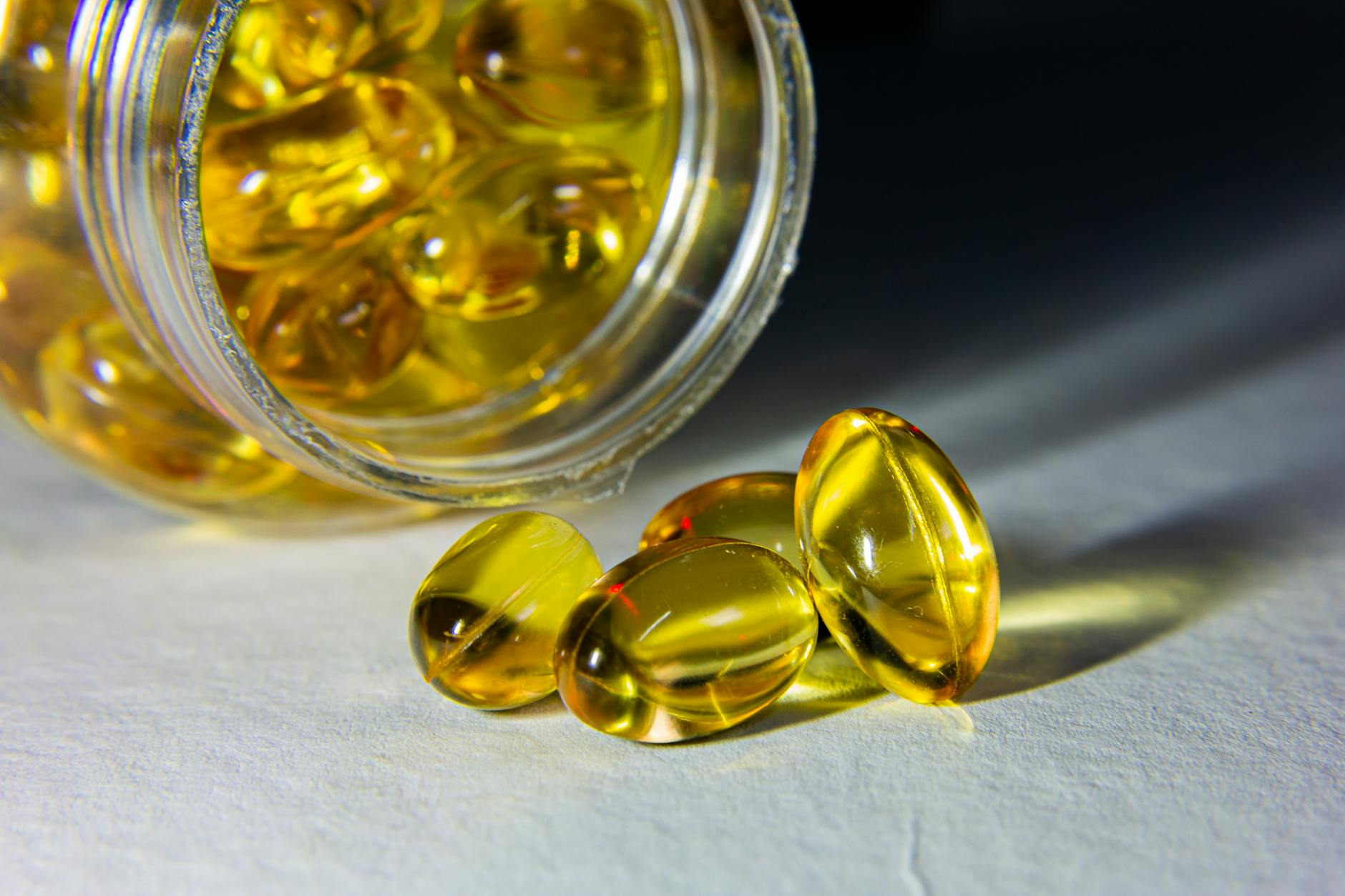
In an unexpected twist that could alter our understanding of dietary supplements, scientists have raised concerns over the widespread use of vitamin D2. Often hailed as a critical aid in combating deficiencies, vitamin D2 is now under scrutiny for its potential to reduce the body's levels of vitamin D3, the more potent variant of the vitamin.
Vitamin D3, found naturally in fatty fish and produced by the skin when exposed to sunlight, is notably more efficient in enhancing the body's vitamin D status. It plays a pivotal role in fortifying the immune system, crucial for warding off viral infections. The new study, backed by the Biotechnology and Biological Sciences Research Council, suggests that those relying heavily on vitamin D2, commonly sourced from mushrooms and fortified foods, might be inadvertently undermining their health efforts.
The implications of these findings are particularly significant in the context of the ongoing COVID-19 pandemic. High doses of vitamin D supplementation were once speculated to offer protection against severe outcomes. However, the revelation that vitamin D2 might impede the beneficial effects of vitamin D3 calls for a reassessment of such strategies.
Understanding the Differences
The distinction between vitamin D2 and D3 has often been overlooked by consumers, many of whom are unaware that not all vitamin D supplements are created equal. While both types can increase vitamin D levels, they do so with varying degrees of effectiveness and longevity. The study's lead researcher emphasised the need for consumers to be informed about these differences to make better health decisions.
Those who have been consuming large doses of vitamin D2 supplements may not see the anticipated benefits in bone density or immune response. The 2019 study highlighted that adults taking substantial amounts of vitamin D daily did not experience additional gains in bone density compared to those on moderate doses.
Looking Ahead
As the scientific community continues to explore the complexities of vitamin supplementation, it becomes increasingly crucial for consumers to consult healthcare professionals before making significant changes to their dietary regimes. The latest findings serve as a reminder of the nuanced nature of nutrition science, where more is not always better.
In the meantime, those looking to optimise their vitamin D intake are advised to consider natural sources and balanced approaches, rather than relying solely on supplements.