Scientists Edge Closer to Regrowing Human Teeth
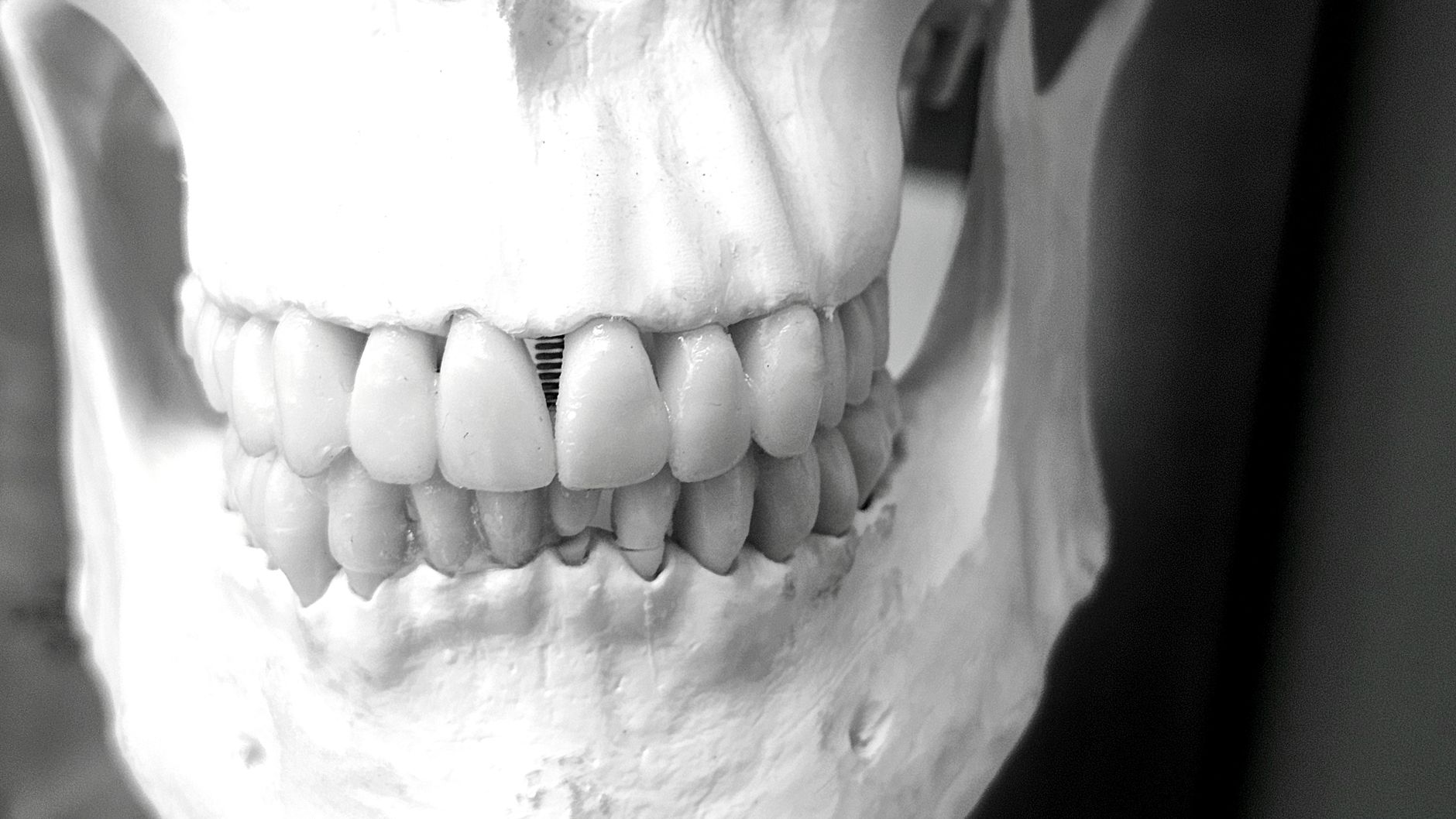
Imagine a world where tooth loss isn't the end of the story, but rather the beginning of a natural regrowth process. This vision is edging closer to reality, as scientists push the boundaries of dental science with the development of a drug capable of regrowing human teeth. The idea, once confined to the realm of science fiction, now stands on the cusp of genuine scientific breakthrough.
Currently, dental implants and dentures serve as the standard solutions for missing teeth. However, these options are not without their drawbacks. Implants, while effective, involve invasive procedures and can lead to complications over time. Dentures, on the other hand, often come with their own set of challenges, including discomfort and the need for regular adjustments.
The Science Behind the Breakthrough
The quest to regrow teeth involves coaxing the body’s natural abilities to regenerate. At the heart of this endeavour is the world’s first tooth-regrowing drug, which has been approved for human trials. This drug works by stimulating the growth of tooth buds, the embryonic structures from which teeth develop. By activating these dormant biological processes, scientists hope to replace missing teeth with new, fully functional ones.
Researchers have been able to grow teeth in laboratory settings, using stem cells and other biotechnological advances. The challenge now is to translate these successes from petri dishes to human mouths. If successful, this approach could revolutionise dental care by providing a permanent, natural alternative to current restorative methods.
Implications for Dental Care
For patients, the prospect of regrowing one's own teeth is tantalising. It offers a solution that is not only more natural but also potentially more durable. This breakthrough could significantly reduce the need for repeated dental interventions, saving time, money, and discomfort for millions around the world.
However, the path to widespread availability is fraught with challenges. Clinical trials must demonstrate not only the efficacy but also the safety of this drug. Moreover, regulatory hurdles and the need for extensive testing mean that it could be several years before this treatment becomes mainstream.
As this research progresses, the dental industry awaits with bated breath. The implications of this technology extend beyond mere convenience; they could redefine the very nature of dental health and care, offering hope to those who have long resigned themselves to a lifetime of dental repairs.