Scientists Engineer DNA to Function as Digital Memory
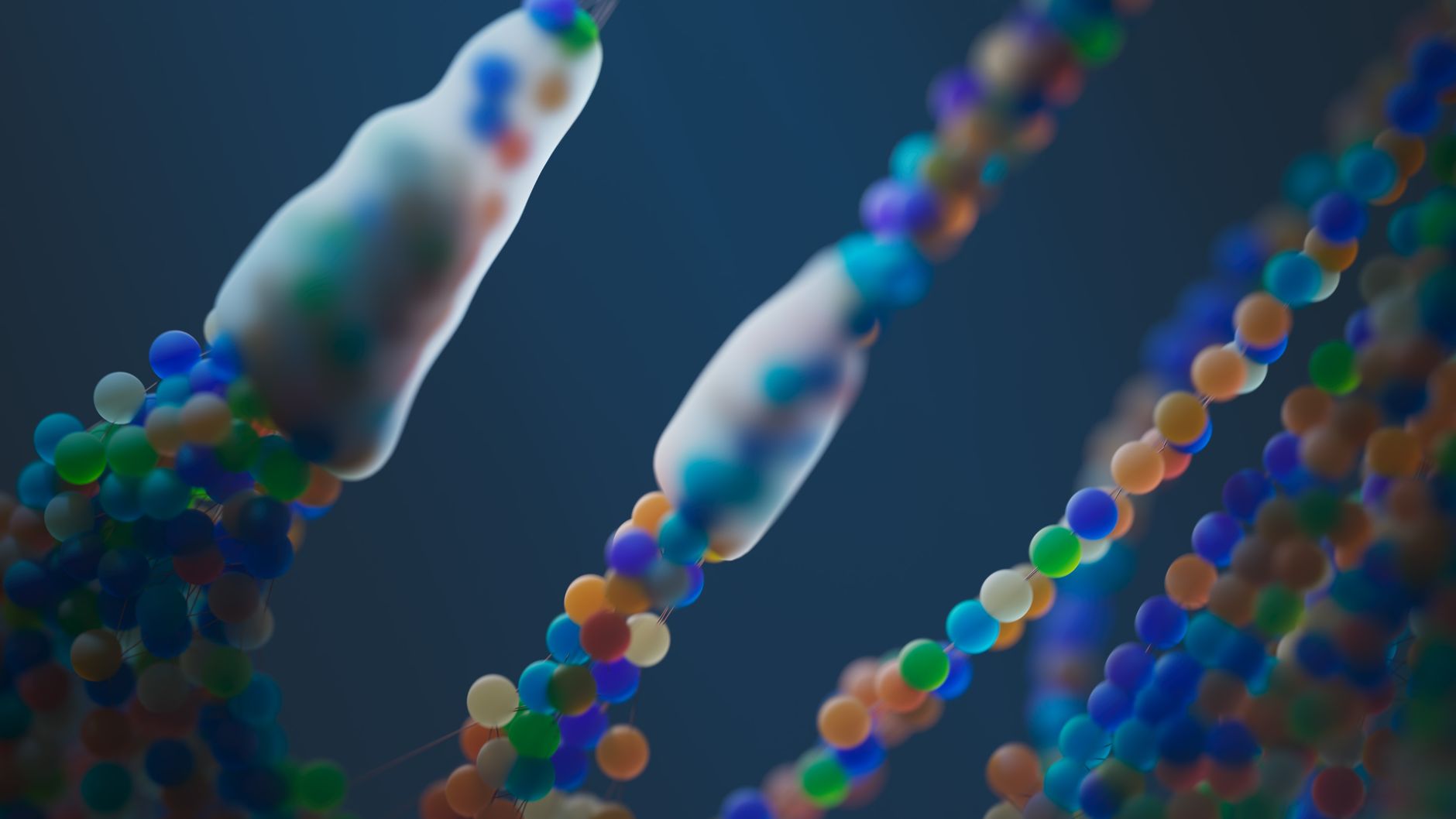
In a laboratory tucked away in the heart of research innovation, scientists have achieved a remarkable feat: transforming synthetic DNA into a digital memory device. This breakthrough, akin to a high-tech alchemy, allows DNA to mimic the function of a flash drive, potentially revolutionising how we store data.
The concept behind this innovation is as elegant as it is complex. DNA, the blueprint of life itself, is already a masterclass in information storage. A single gram of DNA can hold an astonishing 215 million gigabytes of data. Traditionally, this information pertains to biological traits, from eye colour to the susceptibility to certain diseases. However, researchers are now bending this natural capability to serve technology's relentless march forward.
Modern recombinant DNA technology has been instrumental in this development. By assembling man-made DNA sequences, scientists have crafted a biological memory device that not only stores but also retrieves data. The implications are profound. Imagine a world where data centres, notorious for their energy consumption, could be replaced by DNA-based storage with a fraction of the environmental footprint.
While the technology remains in its nascent stages, the potential applications are vast. From archiving vast libraries of information to preserving cultural artefacts digitally, DNA storage could redefine the landscape of data preservation. Moreover, given its compactness and durability, DNA could outlast any digital medium currently in use.
However, as with any scientific leap, challenges remain. The cost of synthesising DNA and the speed at which data can be read and written are significant hurdles. Yet, as research progresses, these obstacles may diminish, paving the way for DNA to become a cornerstone of future data storage solutions.
In the ever-evolving dance between nature and technology, this development stands as a testament to human ingenuity. As scientists continue to explore the possibilities, the boundaries of what DNA can achieve seem ever more limitless.