Scientists on the Brink of Regrowing Human Teeth
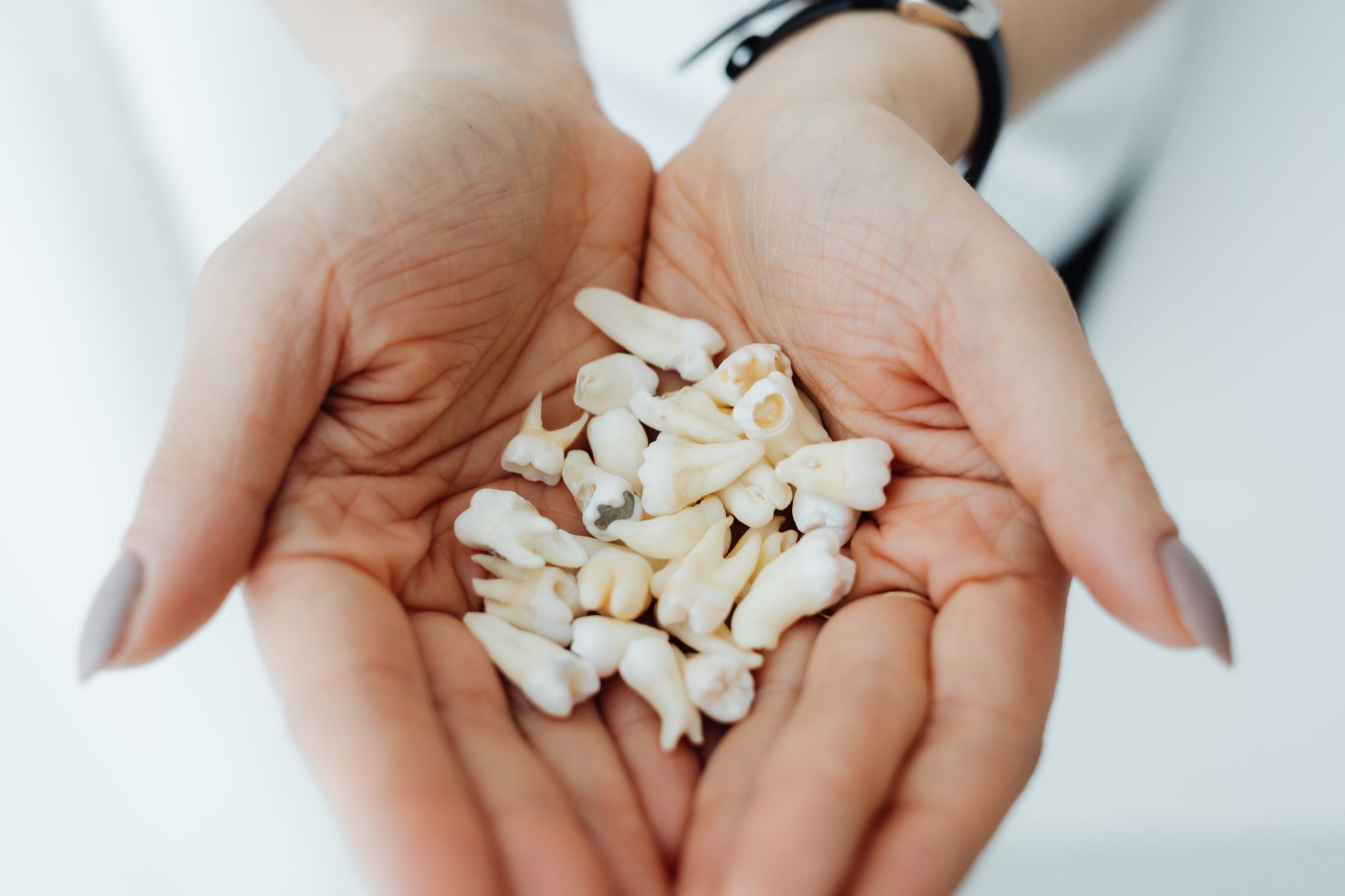
The concept of regrowing human teeth, once the stuff of science fiction, is now edging closer to reality. In a groundbreaking development, researchers have successfully initiated human trials for the world's first tooth-regrowing drug. This innovation promises to revolutionise dental care, potentially providing a permanent solution to tooth loss—a problem that has plagued mankind for centuries.
Current dental treatments, although advanced, often leave much to be desired. Dentures and implants, while functional, are not without their limitations. They often require ongoing maintenance and can be uncomfortable, not to mention costly. The ability to regrow teeth biologically could render these solutions obsolete, giving patients a new lease on life with natural, fully functional teeth.
A New Dawn in Dental Care
The research, spearheaded by a team of scientists with expertise in regenerative medicine, has already shown promising results in laboratory settings. Using stem cells, they have successfully grown teeth in petri dishes, which mirror the structure and functionality of natural human teeth. These biological teeth could be a game-changer for those suffering from tooth loss due to age, disease, or injury.
The implications of this breakthrough extend beyond just cosmetic improvements. Oral health is intrinsically linked to overall health, with studies showing connections between poor dental health and conditions such as heart disease and diabetes. Therefore, regrowing teeth could have far-reaching benefits for an individual's general well-being.
Challenges and Future Prospects
While the prospects are exciting, the journey from laboratory to clinic is fraught with challenges. The human trials will need to rigorously test the safety and efficacy of this treatment. Moreover, ethical considerations regarding stem cell use and potential risks involved will need to be thoroughly addressed.
Despite these hurdles, the potential benefits are too significant to ignore. If successful, this could pave the way for further advancements in regenerative medicine, opening doors to other regenerative therapies. For now, dentists and patients alike watch with bated breath as the trials progress, hopeful that the future of dental care is about to change dramatically.