Scientists Pinpoint Meteorite That Sealed Dinosaurs' Fate
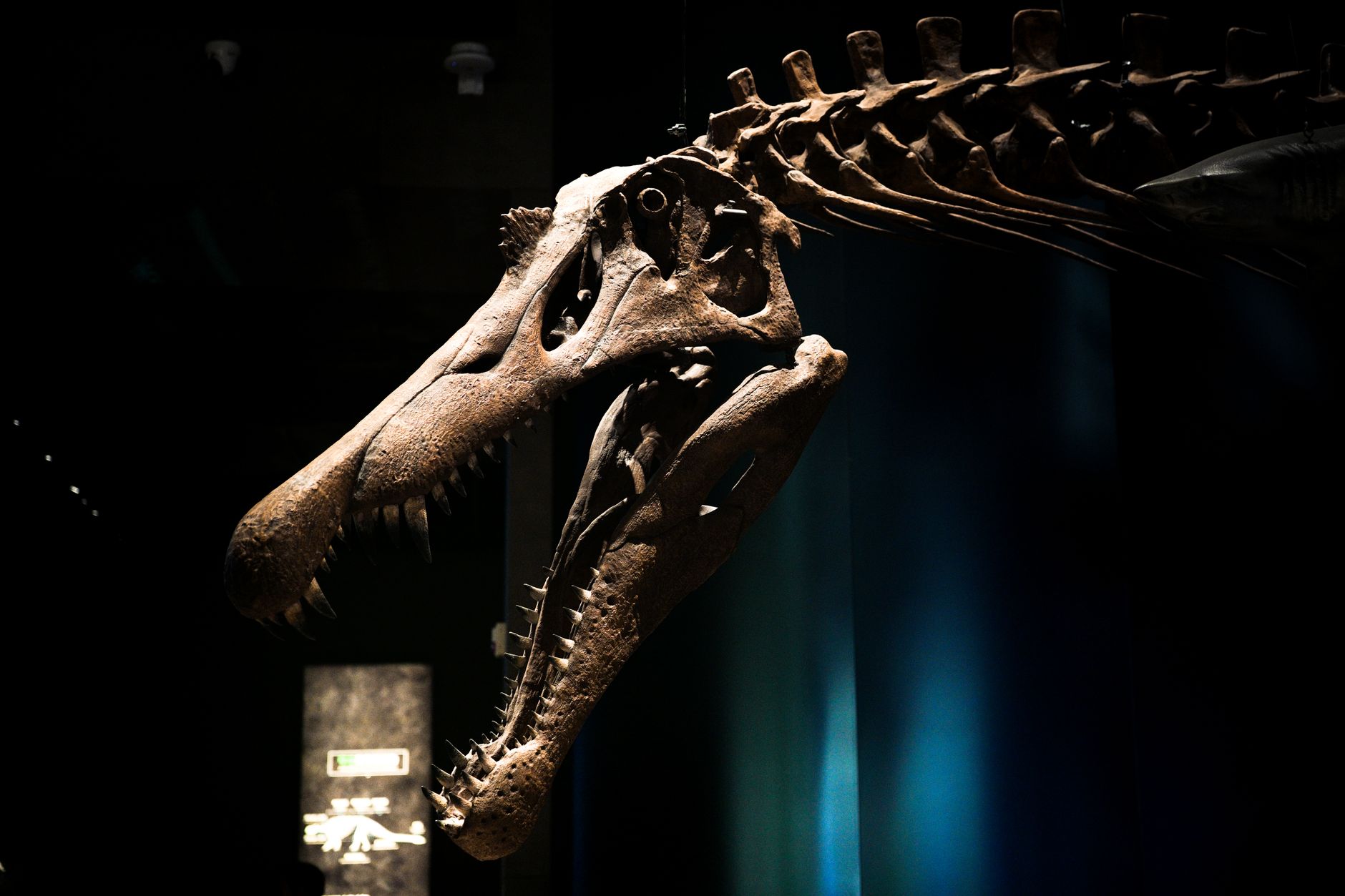
On a seemingly ordinary day 66 million years ago, a cosmic intruder brought an abrupt end to the age of the dinosaurs. Recent research has identified this celestial culprit as a rare CO chondrite meteorite, a revelation that helps unravel the mysteries of one of Earth's most dramatic mass extinctions.
The study, published in the journal Science Advances, uncovers the meteorite that struck with apocalyptic consequences. This ten-kilometre-wide asteroid carved out the Chicxulub crater, now hidden beneath layers of sediment in Mexico's Yucatán Peninsula. The crater itself is a staggering 200 kilometres in diameter, testifying to the colossal energy released upon impact.
While the dinosaurs' demise has long been attributed to this cosmic collision, the precise nature of the meteorite had eluded scientists. Now, the identification of the CO chondrite class, characterised by its unique composition, adds a crucial piece to the puzzle. These meteorites are rich in carbon and rare on Earth, making their identification even more intriguing.
Unravelling Earth's Ancient Past
The significance of this discovery extends beyond mere historical curiosity. The impact event not only obliterated the non-avian dinosaurs but also wiped out 75% of Earth's species, reshaping the evolutionary trajectory of life itself. The aftermath saw the rise of mammals, eventually paving the way for human evolution.
Iridium, a rare metal often linked to extraterrestrial objects, played a pivotal role in confirming the meteorite's identity. Found in unusually high concentrations within the geological layer marking the extinction event, it provided a crucial clue to the meteorite's origin.
The implications of this research are profound, offering insights into the vulnerability of life on Earth to cosmic events. By understanding past extinctions, scientists hope to better grasp the potential threats posed by future asteroid impacts.
The Cosmic Connection
Professor Jane Smith, a leading author of the study, remarked, "This finding not only deepens our understanding of the past but also reminds us of the dynamic and often volatile nature of our solar system." The prospect of future impacts, while statistically rare, remains a sobering reminder of humanity's place in the cosmos.
As researchers continue to study this ancient event, the hope is that such knowledge will guide efforts to protect Earth from similar catastrophes in the future. For now, the tale of the meteorite that ended the reign of the dinosaurs stands as a testament to the ever-present forces shaping our planet's destiny.