Scientists Transform Plastic Recycling with Molecular Repair
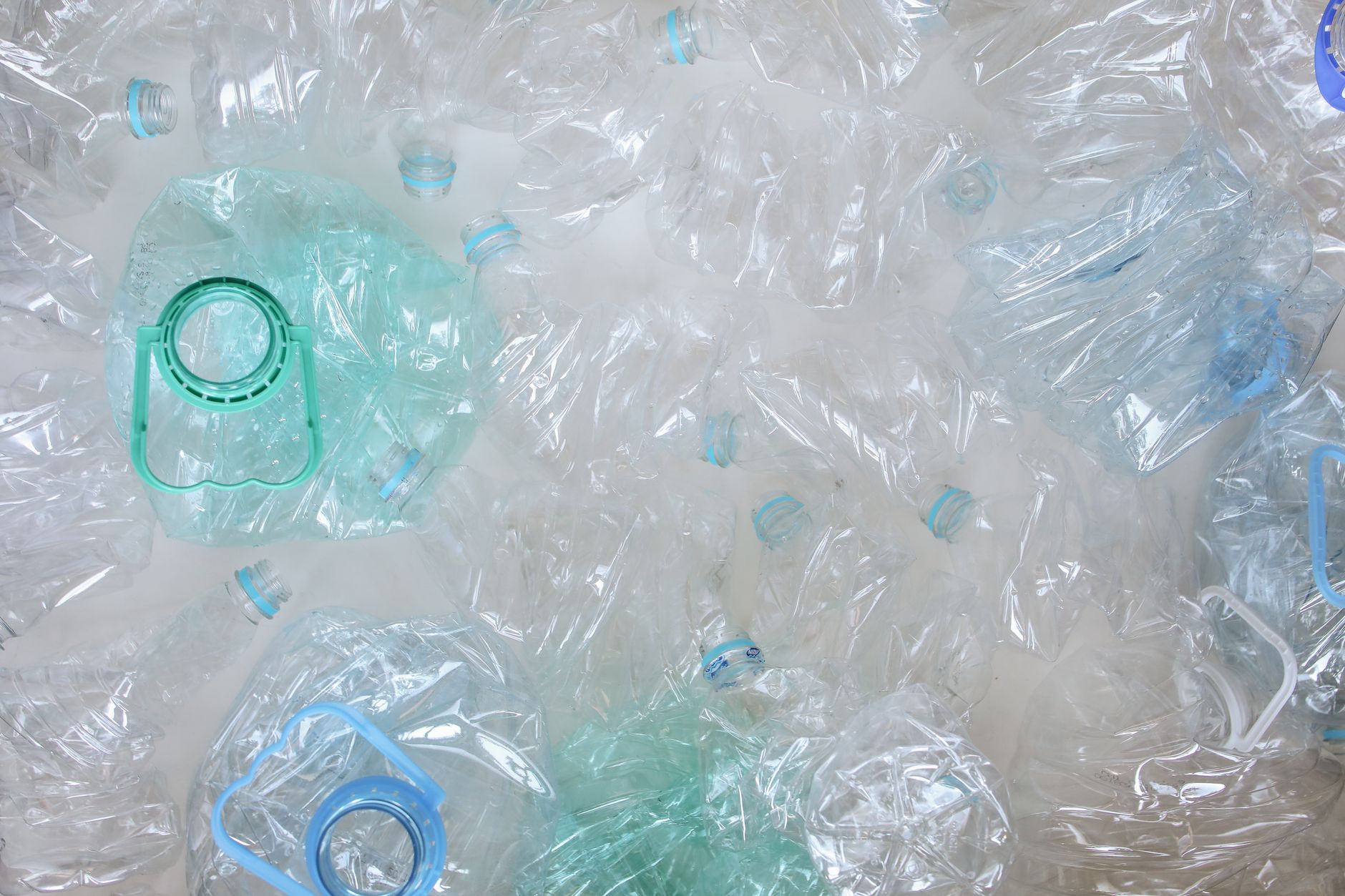
The spectre of plastic waste looms large over modern society, but a group of intrepid scientists have taken a bold step towards a cleaner future. By repairing plastics at the molecular level, they have unlocked a solution that could significantly enhance recycling efficiency. This pioneering technique, developed by researchers at Tohoku University, involves the use of a chemical 'chain extender' to mend the broken molecular chains that weaken plastics over time.
Plastics, those ubiquitous materials that have become both a blessing and a burden, suffer from a perennial problem: degradation. When subjected to the rigours of recycling, the long molecular chains that grant these materials their strength slowly fracture under the relentless assault of heat and moisture. Consequently, recycled plastics often emerge weaker, a shadow of their former selves.
The Science Behind the Innovation
Enter the chain extender. This clever addition to the recycling process enables the reformation of polymer chains, effectively restoring the material's tensile strength. In essence, what this means is that recycled plastics could regain their original robustness, opening the door to a myriad of new applications previously deemed unfeasible due to material limitations.
Dr. Hiroshi Tanaka, lead researcher on the project, remarked, "Our findings suggest a transformative potential for recycling processes. If scaled effectively, this method could reduce reliance on virgin plastics and alleviate environmental pressures."
Implications for Sustainability
The environmental ramifications of such a development are profound. The world grapples with the plastic waste crisis, with vast quantities ending up in oceans and landfills each year. Enhanced recycling methods could mitigate this issue, ensuring plastics are not only reused but returned to a state of near-original strength and utility.
While the technique currently resides within the confines of laboratory testing, its prospects are promising. The potential to lessen humanity’s plastic footprint provides a glimmer of hope in an otherwise daunting challenge. As the process undergoes further refinement and testing, the scientific community watches with bated breath, eager to see if this innovation heralds a new era in sustainable materials management.