Scientists Uncover Dual Origins of Life on Earth
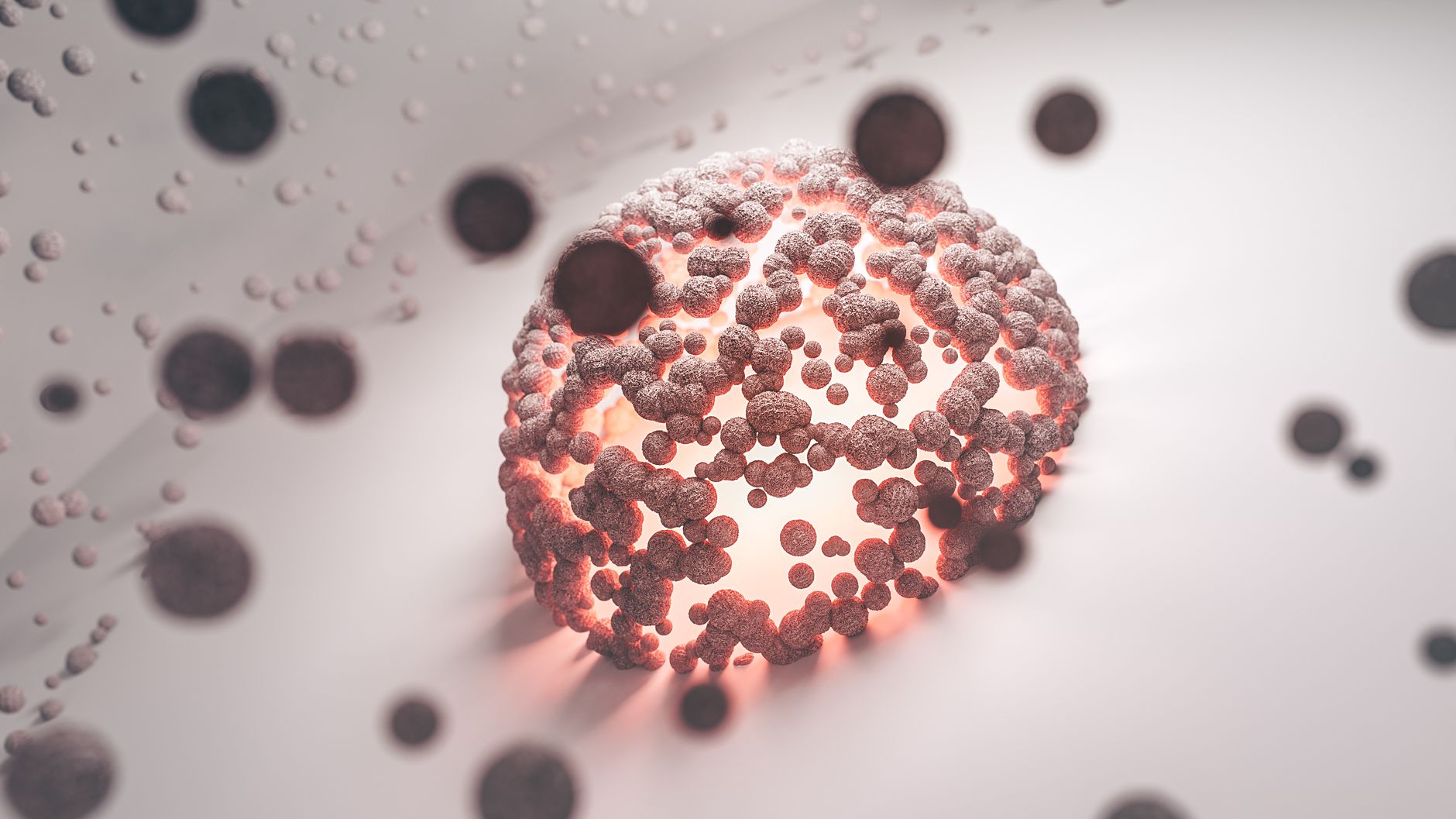
In a revelation that could redefine our understanding of life's beginnings, scientists have uncovered evidence suggesting that the first free-living cells on Earth might have emerged independently on two separate occasions. This astounding theory posits that the ancestors of both bacteria and archaea, two fundamental branches of life, did not share a single origin as previously thought.
An international team, led by researchers at Heinrich Heine University Düsseldorf, delved into the chemical reactions and enzymes that characterised the earliest stages of life. Their findings suggest that these primitive life forms arose independently, in what can only be described as a cosmic stroke of luck.
The Dual Genesis Hypothesis
The dual genesis hypothesis, as it is now being dubbed, challenges the long-standing notion of a singular 'last universal common ancestor' (LUCA). This hypothesis has been the cornerstone of evolutionary biology, suggesting that all life on Earth descended from a single primordial entity. However, the new research implies that Earth's early environment was fertile enough to nourish not one, but two distinct origins of life.
What makes this discovery particularly intriguing is its implications for the search for life beyond Earth. If life could begin twice on our own planet, it raises the tantalising possibility that the universe could be teeming with life, potentially arising independently on other worlds.
Reactions and Implications
Reactions from the scientific community have been mixed. Some researchers are enthusiastic, seeing this as a potential paradigm shift in our understanding of life's origins. Others urge caution, citing the need for further evidence to substantiate such a radical departure from conventional theories.
Nonetheless, this study forces scientists to re-evaluate the conditions required for life to flourish. It suggests that life's building blocks might be more common and versatile than previously assumed, capable of sparking life in diverse environments.
As research continues, the dual origins theory promises to ignite fresh debates and inspire new lines of inquiry. Whether this marks a new chapter in evolutionary biology or merely a footnote remains to be seen, but its impact on the scientific discourse is undeniable.