Scientists Uncover Rare Meteorite That Ended Dinosaur Era
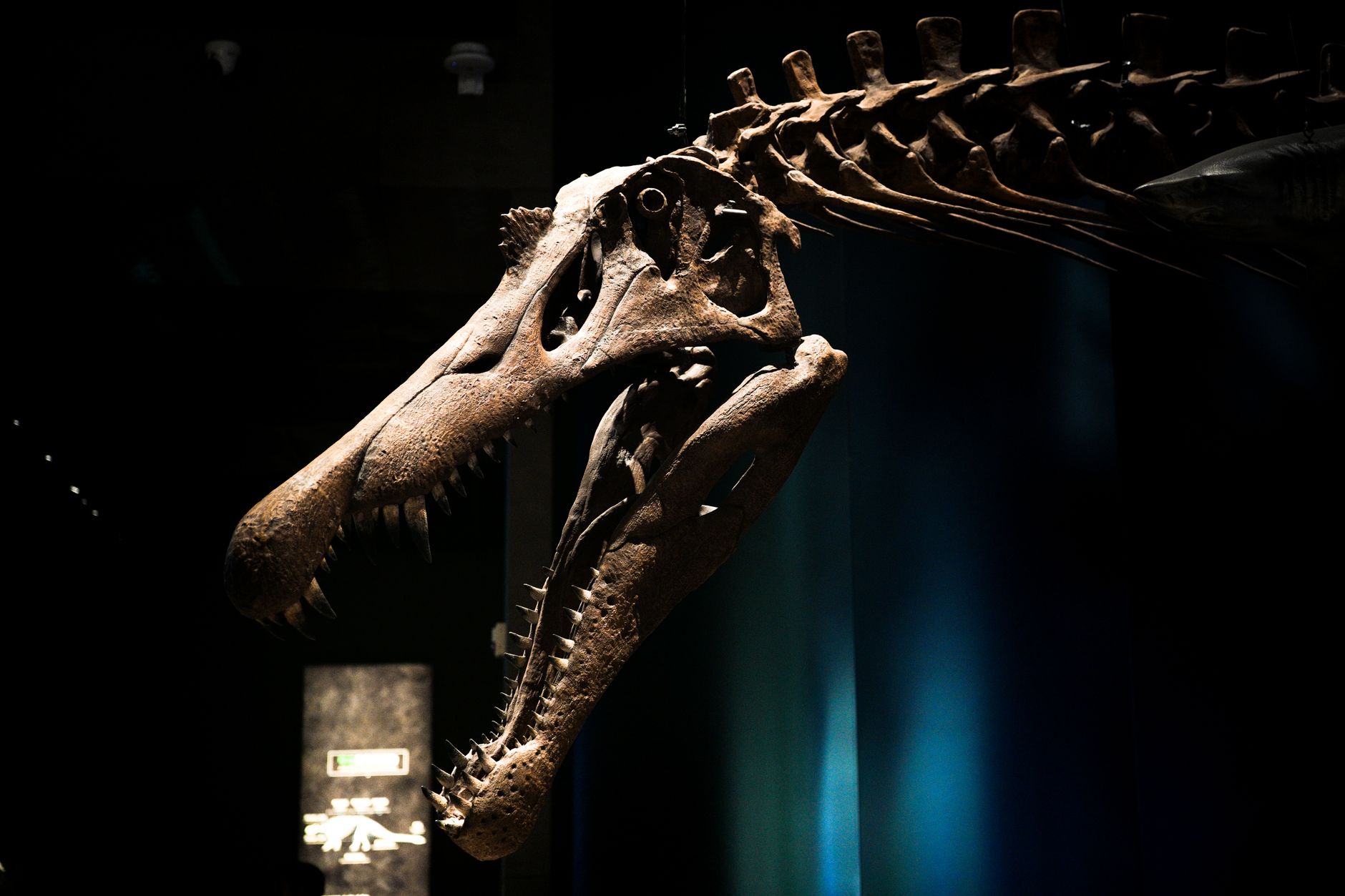
Sixty-six million years ago, a cataclysmic event occurred that would forever alter the course of life on Earth. A rare carbon monoxide chondrite meteorite, now identified by scientists, was the harbinger of destruction that led to the extinction of the dinosaurs. This space rock, unlike any other, unleashed a series of disasters that extinguished 75% of Earth's species, including the once-mighty nonavian dinosaurs.
The findings, recently published in Science Advances, mark a significant breakthrough in understanding one of the most pivotal events in Earth's history. Until now, the exact nature of the asteroid that struck what is now the Yucatán Peninsula in Mexico remained a mystery. Scientists have long speculated about the composition and origin of this cosmic interloper, but it is only now that we have a clearer picture of its rare nature.
The impact of this discovery extends far beyond academic circles. It paints a vivid picture of the chain reaction set off by the meteorite's collision. The immense force of the impact hurled vast amounts of debris into the atmosphere, triggering global cooling and darkness that lasted for years. Tidal waves swept across continents, and fires raged, consuming vast swathes of the landscape. In the ensuing chaos, ecosystems collapsed, and the dinosaurs, alongside countless other species, vanished.
The Unique Composition
What makes the carbon monoxide chondrite meteorite particularly intriguing is its rarity. These types of meteorites are not commonly found in the asteroid belt between Mars and Jupiter, where most meteoritic materials originate. This raises questions about its journey through space and how it came to collide with Earth.
Research into the meteorite's composition reveals that its unique characteristics may have contributed to the severity of the extinction event. The presence of certain minerals suggests that the meteorite's impact released gases that exacerbated the environmental fallout, creating a hostile climate that few species could endure.
Implications for Understanding Extinctions
This discovery not only enhances our understanding of past mass extinctions but also serves as a stark reminder of the potential threats from space. While the probability of a similar event occurring in the near future is low, the identification of the meteorite's specific nature emphasises the importance of ongoing monitoring and preparedness.
As scientists continue to explore the mysteries of space and Earth's history, each finding offers a piece of the puzzle in the grand tale of life's resilience and vulnerability. The rare meteorite that ended the age of dinosaurs now stands as a testament to the dynamic and often unpredictable forces that shape our planet.