Scientists Unravel the Moon's Dual Faces Mystery
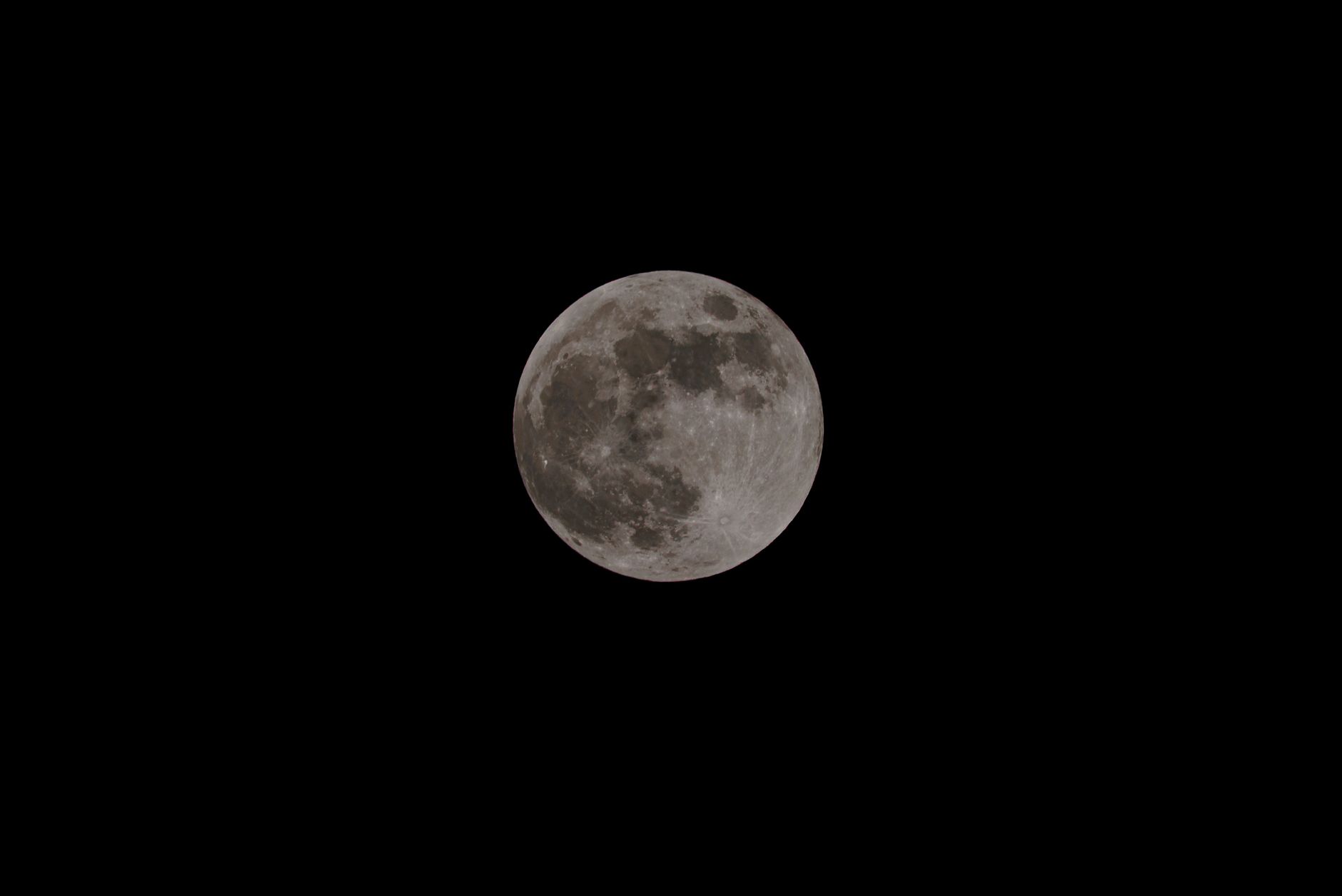
In the annals of lunar exploration, the Moon's two faces have long posed a riddle as enigmatic as the dark side itself. The familiar visage we gaze upon from Earth, characterised by smooth, dark volcanic plains known as maria, contrasts starkly with its rugged, crater-pocked counterpart on the far side. Now, scientists believe they may have finally decoded this celestial conundrum.
Using samples collected from the Moon's far side for the first time, researchers have unveiled a narrative of unequal gravitational heating, courtesy of our planet's pull. This ancient thermal tug-of-war appears to have orchestrated the Moon's geological evolution, driving magma flows that sculpted its distinct features. The findings, detailed in a recent study, are a testament to the power of collaborative lunar exploration.
Central to this breakthrough were comparative analyses of rock samples retrieved by China's Chang'e-6 mission from the Moon's far side, alongside those from Apollo and Chang'e-5 missions. The results reveal a chemically similar mantle beneath both hemispheres, suggesting that the lunar crust's dramatic asymmetry is more a tale of surface dynamics than one of internal disparity.
Scientists posit that the Moon's near side was subjected to more intense heating, possibly due to its proximity to Earth during its formative years. This thermal difference may have influenced the flow and solidification of magma, resulting in the contrasting maria and highlands.
An Ancient Heat Ballet
The study's authors propose a model of lateral thermal convection, wherein heat from Earth's gravitational forces interacted with the Moon's nascent surface, creating a patchwork of volcanic plains and craters. This model not only accounts for the asymmetry but also aligns with the thin KREEP (Potassium, Rare Earth Elements, Phosphorus) and ilmenite-bearing cumulates found predominantly on the far side.
This newfound understanding enriches our grasp of lunar history, offering a window into the violent and dynamic processes that shaped not just the Moon, but by extension, our own planet's development.
Why It Matters
Beyond satisfying scientific curiosity, these revelations have broader implications. Understanding the Moon's geological past could inform future lunar exploration and habitation plans, guiding where we choose to land and what resources might be available for human use.
In the grand theatre of space exploration, the Moon's two faces have long been a highlight. Thanks to this latest research, we are a step closer to comprehending the forces that shaped one of our most enigmatic celestial neighbours.