Scientists Unveil Sun's Tiny Plasma Swirls in Stunning First
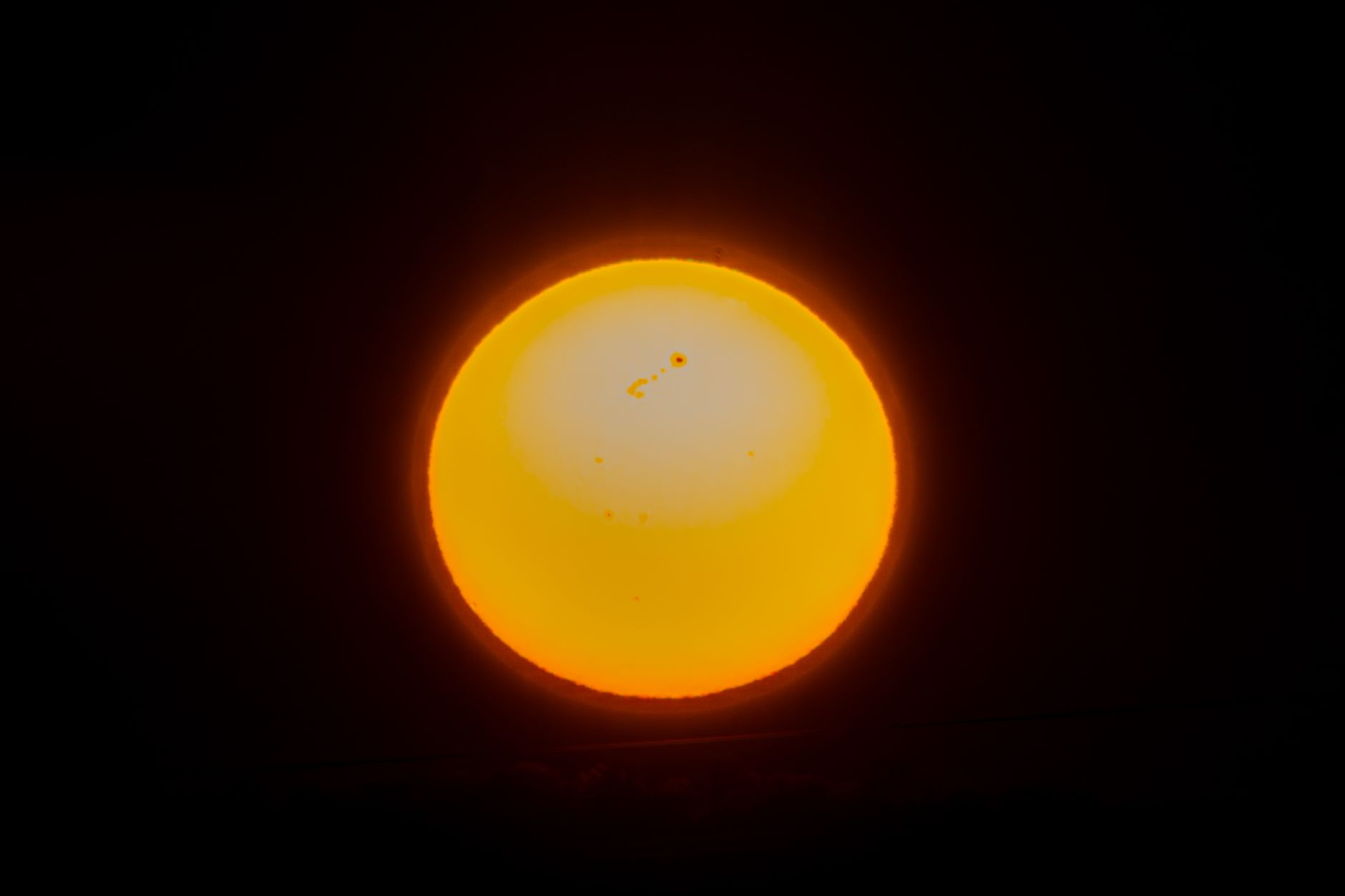
In an unprecedented astronomical feat, scientists have captured the first images of tiny plasma swirls on the Sun's surface, unveiling a rare magnetic phenomenon long theorised but never before observed. These swirls, known as Kelvin-Helmholtz instabilities, have been spotted thanks to the superior capabilities of the Inouye Solar Telescope.
Kelvin-Helmholtz instability, a process where streams of plasma flow past each other, creating swirling patterns, has been a predicted feature of solar dynamics. This discovery could offer new insights into the Sun's magnetic field and its occasional explosive behaviour, often manifesting as solar flares and coronal mass ejections.
The Significance of the Discovery
These plasma vortices, some measuring just 20 kilometres in diameter, are not merely a scientific curiosity. They could be pivotal in understanding the Sun's magnetic interactions. The solar magnetic field is known to influence space weather, which can impact satellite communications and power grids on Earth.
The Kelvin-Helmholtz instability may help explain how energy is transported and dissipated in the Sun's atmosphere. Understanding these processes is crucial for developing predictive models that could mitigate the risks posed by solar storms.
A Glimpse into Stellar Dynamics
The Inouye Solar Telescope, with its unparalleled resolution, allows scientists to observe solar phenomena in stunning detail. This recent breakthrough is just one of many discoveries expected as scientists continue to probe the Sun's intricate workings.
While the Sun is a familiar presence in our sky, it remains a source of many mysteries. Unlocking these secrets could help us not only comprehend the Sun itself but also other stars scattered across the cosmos, each a fiery crucible of plasma and magnetic wonder.