Sheep's Wool: The Unlikely Hero in Bone Regeneration
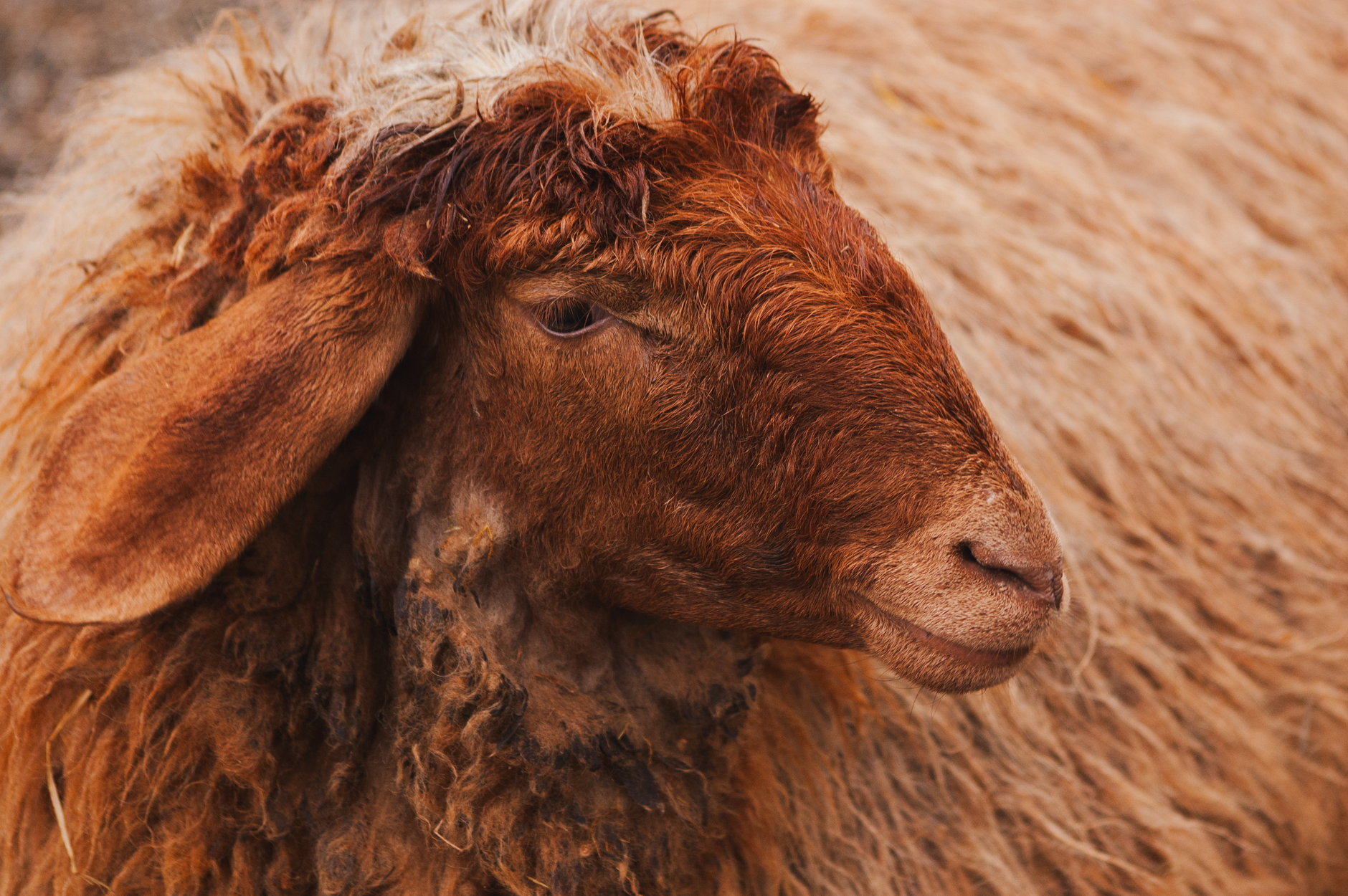
In the rolling hills of the Welsh countryside, sheep have long been a familiar sight. Their wool, a staple of the textile industry, now promises to play an unexpected role in the field of medicine. Scientists have harnessed the natural properties of keratin, a protein derived from sheep's wool, to aid in the regeneration of damaged bone tissue.
Keratin, known for its strength and resilience, is proving to be a formidable contender in regenerative medicine. In a recent study, researchers demonstrated that this protein can be used to create scaffolds that facilitate the growth of natural-looking bone tissue, far exceeding the results achieved with traditional collagen scaffolds.
A New Frontier in Regenerative Medicine
Bone regeneration has long posed a challenge to the medical community, particularly in cases of dental bone loss and injuries resulting from cancer or degenerative diseases. Conventional methods typically involve collagen scaffolds, but these often fail to produce the desired results in terms of bone structure and integrity.
By contrast, keratin-based scaffolds have shown a remarkable ability to regenerate organised and stable bone tissue. The study revealed that when applied in animal models, the keratin material promoted tissue growth that closely resembled healthy bone, potentially offering a more effective and sustainable solution.
Implications for Future Treatments
The implications of this discovery extend far beyond the laboratory. With dental bone loss being a common affliction, affecting millions worldwide, the potential for keratin to offer a new line of treatment is significant. Moreover, this breakthrough could pave the way for advances in treating other bone-related conditions, providing relief and improved quality of life for countless patients.
While further research is necessary to move from animal models to human trials, the prospects are encouraging. The use of a renewable resource such as sheep's wool not only provides a sustainable approach but also highlights the innovative potential of biomaterials in modern medicine.
As scientists continue to explore the capabilities of keratin in bone regeneration, the humble sheep may soon become an unlikely ally in the fight against bone degeneration, offering a beacon of hope for those in need of advanced medical treatment.