Singapore Struggles with Record Air Pollution Amidst Indonesian Fires
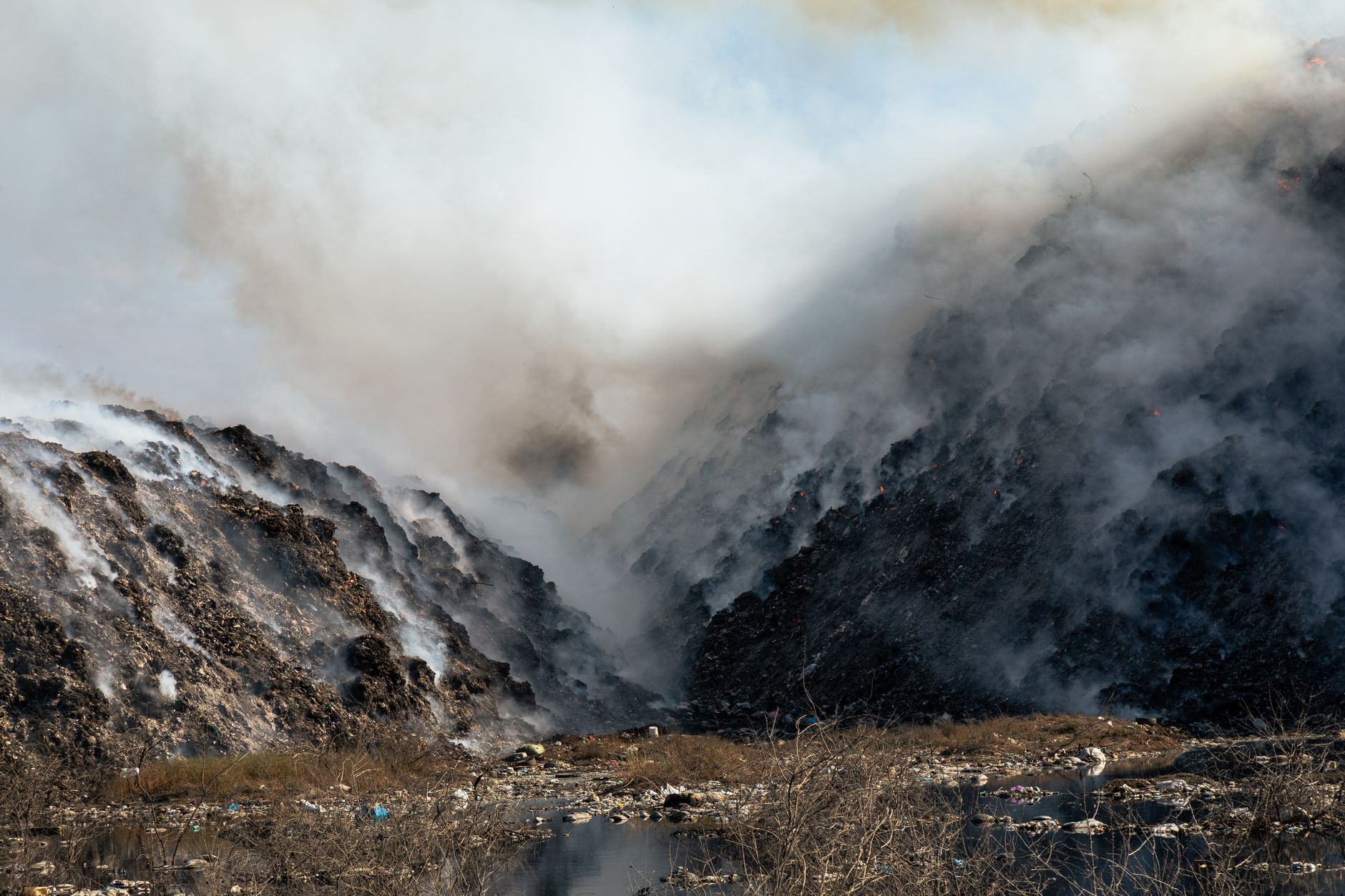
In an ironic twist, Singapore, often heralded as a beacon of affluence and urban sophistication, is currently suffocating under a thick shroud of pollution. The culprit? Plumes of smoke from massive forest fires raging in neighbouring Indonesia. This environmental quagmire has catapulted Singapore to the top of the world’s pollution rankings, a distinction it would rather not have.
The haze, consisting primarily of particulate matter known as PM2.5, has enveloped the city-state, forcing authorities to issue health warnings. Residents are urged to stay indoors, and schools have been advised to suspend outdoor activities. The situation is a stark reminder of the vulnerabilities even the wealthiest urban centres face when confronted with transboundary environmental challenges.
The Regional Fallout
The fires in Indonesia are an annual phenomenon, often started deliberately to clear land for agriculture, particularly palm oil plantations. This practice, while economically beneficial for some, has dire environmental repercussions. The smoke does not respect borders, travelling hundreds of kilometres to blanket Singapore in an acrid haze.
Despite diplomatic efforts and regional agreements to curb such practices, the fires persist, highlighting the complexities of environmental diplomacy in Southeast Asia. This year's haze is particularly severe, exacerbated by unfavourable weather conditions and a prolonged dry season.
Health and Economic Implications
Air pollution poses significant health risks. Long-term exposure to PM2.5 can lead to respiratory and cardiovascular diseases. The economic toll is equally worrying, as businesses face disruptions, and healthcare systems brace for increased demand.
Singapore’s predicament underscores the pressing need for sustainable land management practices in the region. The city-state, despite its wealth, is at the mercy of environmental policies beyond its control. This situation serves as a clarion call for more robust regional cooperation to address the root causes of such crises.
As Singapore grapples with this environmental siege, the broader implications for global urban centres, particularly those in ecologically sensitive regions, are clear. Wealth alone cannot insulate cities from the environmental policies and practices of their neighbours. In an interconnected world, collective action is not just desirable but necessary.