Skyroot's Orbital Triumph: A New Chapter for India's Private Space Ventures
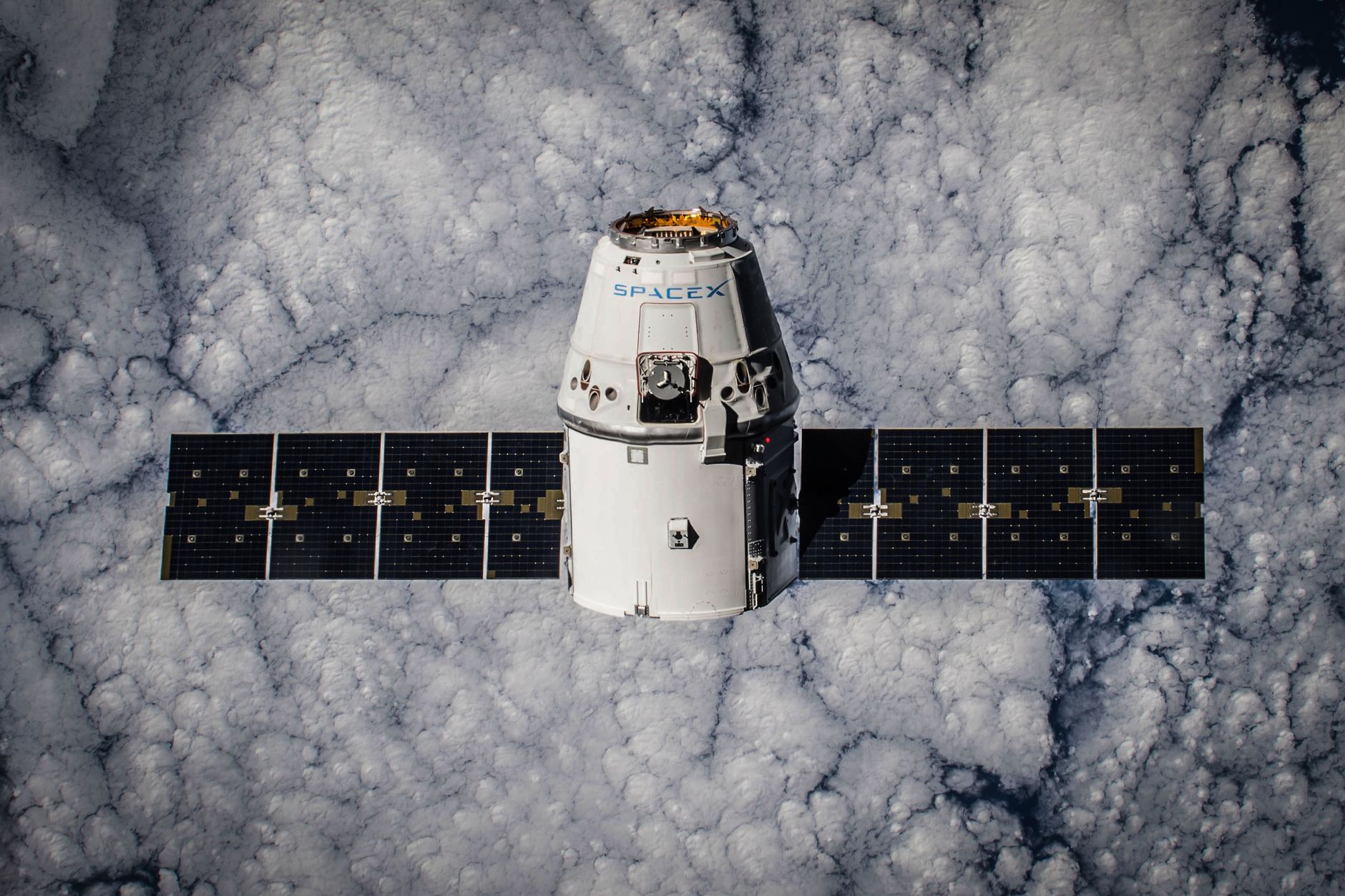
In the stillness of the early morning sky over Sriharikota, a fiery plume heralded a new dawn for India's private space ambitions. Vikram-1, developed by Skyroot Aerospace, soared into orbit, becoming the country's first privately built orbital launch vehicle. This remarkable feat not only underscores India's burgeoning capabilities in space technology but also signals a shift in its space exploration narrative, previously dominated by state-run enterprises.
Skyroot's triumph with Vikram-1 is a testament to the potential unlocked by India's recent private space reforms. These reforms have opened the door for private companies to venture into realms traditionally reserved for government agencies, promising innovation, efficiency, and competitiveness. However, the journey from launch pad to commercial viability is fraught with challenges.
The Commercial Conundrum
With Vikram-1 now in orbit, Skyroot's focus must shift from technical validation to carving out a sustainable business model. The company aims to streamline its manufacturing processes to produce one Vikram-1 rocket per month. Such an ambition, while audacious, requires meticulous planning and substantial investment in infrastructure and skilled workforce.
Moreover, the global commercial satellite launch market is fiercely competitive. Skyroot must contend with established players like SpaceX, Arianespace, and other emerging private firms. To succeed, Skyroot must not only offer competitive pricing but also ensure reliability and adaptability to client needs.
Building a Sustainable Space Business
Despite these challenges, Skyroot's entry into the space launch market is a masterclass in resilience and innovation. By leveraging India's cost-effective engineering talent and strategic geographic location, Skyroot can position itself as a formidable contender in the international space community.
The successful launch of Vikram-1 marks not just a triumph for Skyroot but a significant step forward for India's private space sector. Yet, converting this milestone into enduring business success will require navigating the complexities of global market dynamics, regulatory frameworks, and technological advancements.
As Vikram-1 circles the Earth, it carries with it the aspirations of a nation eager to establish itself as a leader in the new space race. Skyroot's journey, much like its rocket, is just beginning, with the cosmos as its canvas and innovation as its fuel.