Sonam Wangchuk Ends 26-Day Fast Amid Concerns of National Unrest
In the early hours of Friday, Sonam Wangchuk, the renowned climate activist, concluded his grueling 26-day hunger strike at Medanta Hospital in Gurugram, Haryana. The protest, which had captured the nation's attention, was brought to an end amidst fears of potential violence and after protracted negotiations with governmental representatives.
Wangchuk's fast was a clarion call for educational reforms, a cause that resonates deeply with India's youth. His protest, however, was not without its challenges. Concerns had been mounting over his deteriorating health, and the potential for his actions to incite unrest became a matter of national importance.
Union Ministers JP Nadda and Jitendra Singh were reportedly present when Wangchuk decided to break his fast. Their involvement underscores the significance of the situation, reflecting the government's sensitivity to the public sentiment and the activist's demands.
Prime Minister Narendra Modi took to social media platform X shortly after Wangchuk's decision, urging him to heed medical advice and regain his health. Modi's intervention highlights the delicate line that the government must tread between addressing genuine grievances and maintaining public order.
A Movement Driven by Youth
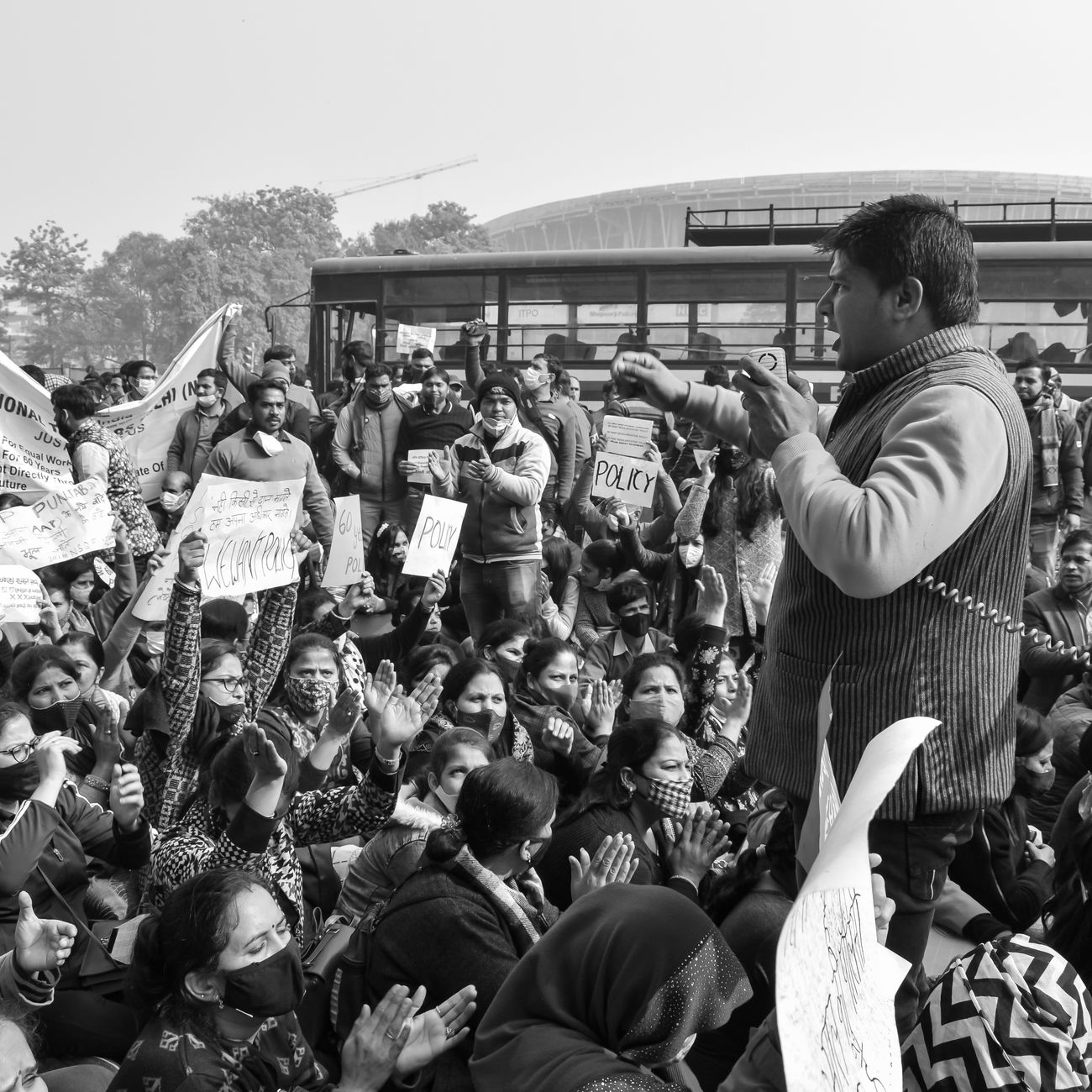
Wangchuk's hunger strike was not an isolated event. It was part of a broader movement driven by young protesters demanding changes in the educational system. The calls for reform reflect a growing discontent with the current state of affairs, where many feel that the system does not adequately prepare students for the challenges of the modern world.
The government's response to these protests and demands has been cautious but engaged, recognising the influence of youth movements in shaping future policies. The dialogue that ensued during Wangchuk's fast could potentially pave the way for meaningful changes in the education sector.
The Road Ahead
While Wangchuk may have ended his fast, the issues he has raised remain pressing. The challenge now lies in translating the momentum generated by his protest into concrete action. This requires not only political will but also a collaborative effort from educators, policymakers, and the community at large.
As the nation reflects on the events of the past month, Wangchuk's actions have undoubtedly left an indelible mark on the discourse surrounding educational reforms in India. His decision to end the fast, influenced by the potential for violence, underscores the responsibility of activism to both inspire change and safeguard public harmony.