Sonam Wangchuk Ends Hunger Strike Amid Rising Tensions
In the quiet hours past midnight at Medanta Hospital, Gurugram, Sonam Wangchuk, the prominent Ladakhi educationist and environmental activist, ended his 26-day hunger strike. The decision came not as a mere concession, but as a strategic move amid fears of escalating violence across the nation.
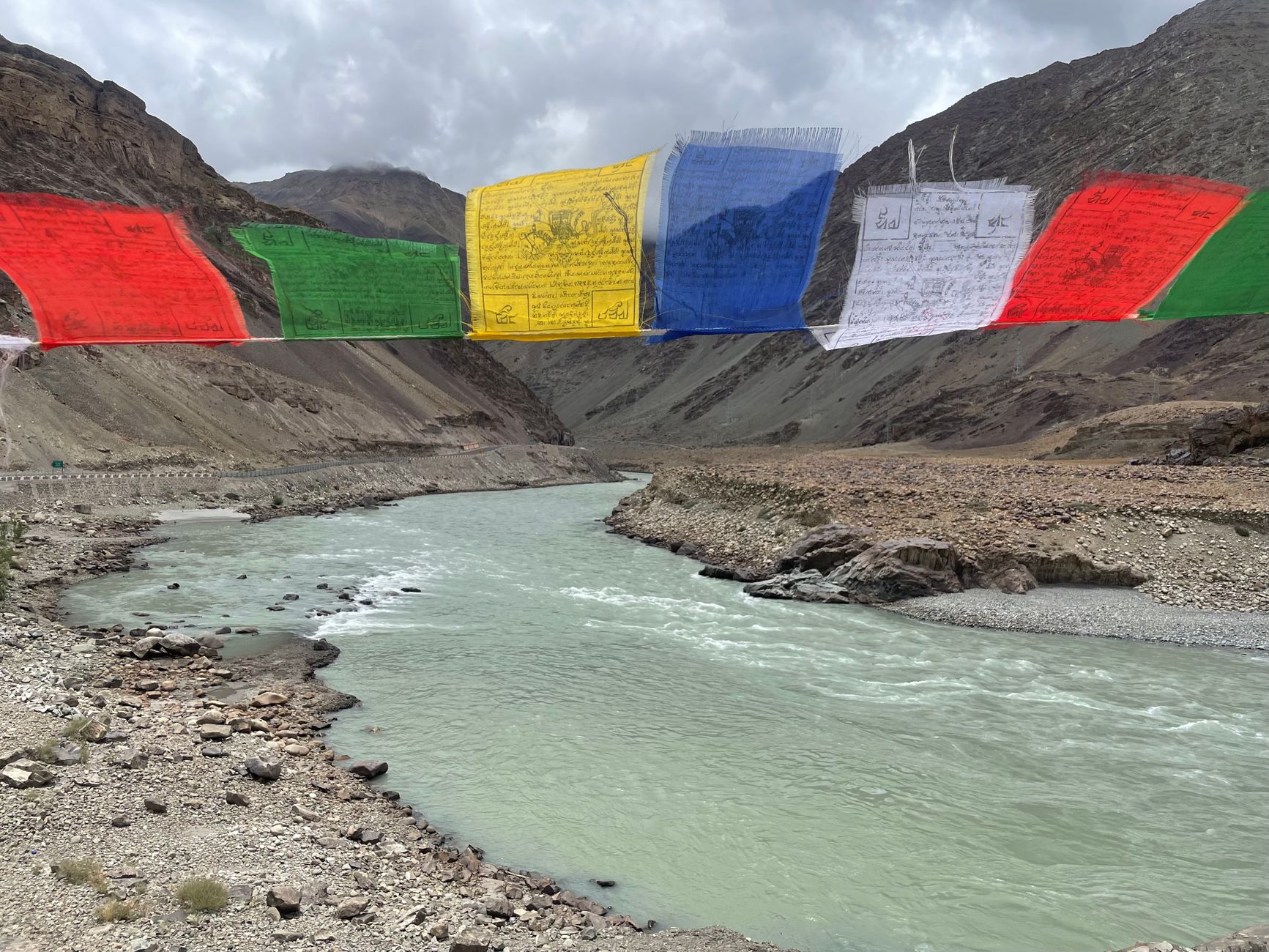
Wangchuk's protest had drawn significant attention, spurred by his concerns over environmental degradation and governmental policies affecting Ladakh. His hunger strike was intended to push for greater autonomy and protection for the ecologically fragile region.
Negotiations and National Concerns
The end of Wangchuk's strike was the result of arduous discussions involving Union Ministers JP Nadda and Jitendra Singh, alongside senior leaders from the Apex Body of Leh Ladakh. The negotiations sought to address not just local grievances but also national apprehensions.
Prime Minister Narendra Modi's timely intervention, vowing to introduce stringent laws to curb paper leaks, appeared to play a role in pacifying some of the broader concerns that had fuelled the unrest.
Broader Implications
The cessation of the hunger strike comes at a time when India is witnessing a surge in protest activities. Demonstrations against police brutality were planned, raising fears of potential violence if Wangchuk’s protest continued. The swift resolution reflects a delicate balance between civil activism and governmental responsibility.
Wangchuk's actions, while deeply rooted in local issues, resonate with a larger narrative of environmental and social justice, echoing through corridors of power and public discourse alike.
The coming days will reveal how these negotiations translate into tangible policy changes, particularly concerning environmental protections and regional autonomy in Ladakh.