Sonam Wangchuk: The Enduring Power of Hunger Strikes in India
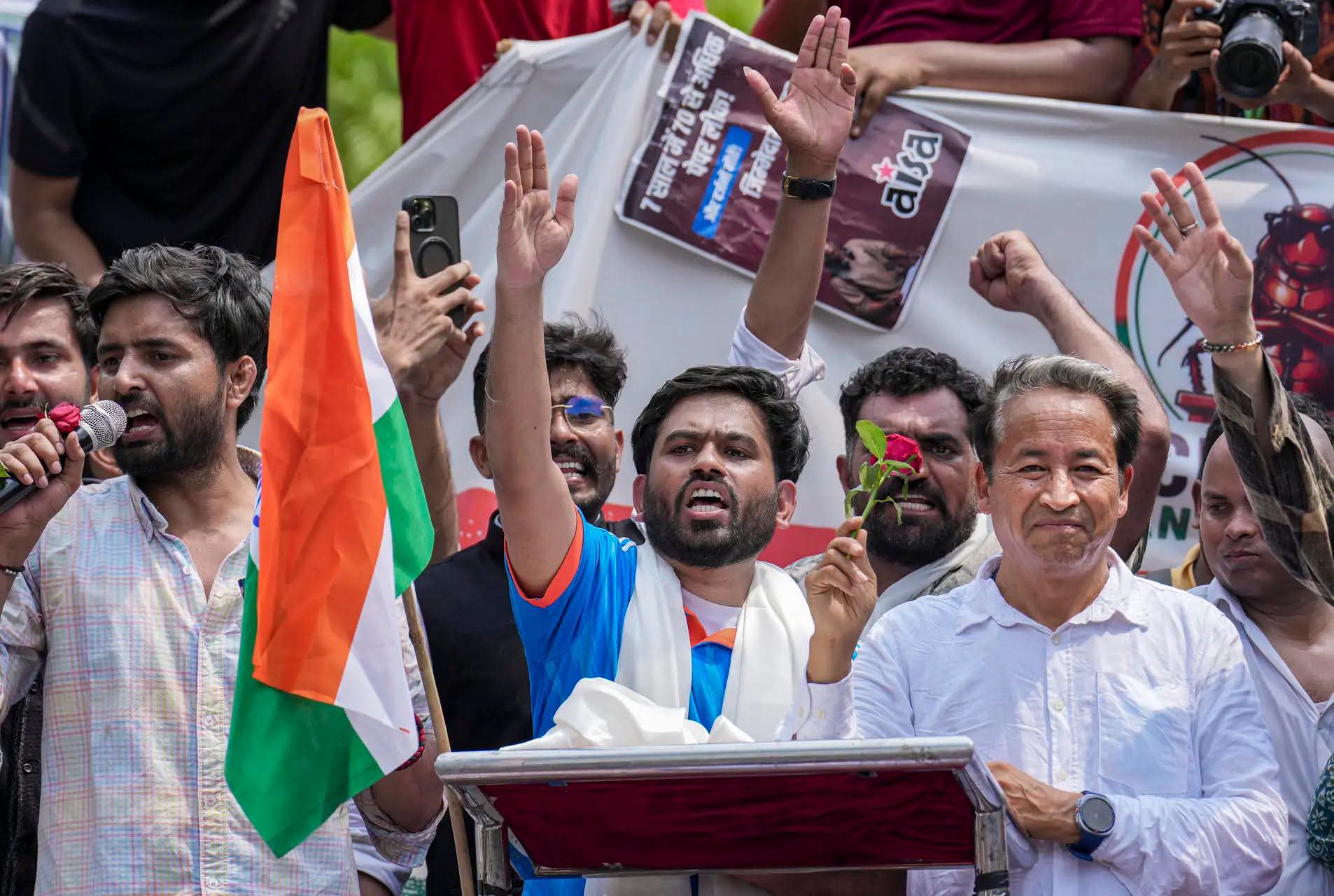
In a nation where the echoes of Mahatma Gandhi's fasts for freedom still resonate, Sonam Wangchuk's recent hunger strike in Delhi serves as a poignant reminder of the enduring power of fasting as a political tool. For 19 days, Wangchuk subsisted on salt water, a stark testament to his commitment to calling for educational reforms and the resignation of Education Minister Dharmendra Pradhan.
The Students' Educational and Cultural Movement of Ladakh, founded by Wangchuk in 1988, has long advocated for changes within India’s educational landscape. His latest protest, however, goes beyond the confines of Ladakh, addressing systemic issues that affect the entire nation. The hunger strike has galvanised support for the Cockroach Janta Party (CJP), a movement pressing for reforms in what many see as an archaic and soul-crushing education system.
The Historical Weight of Hunger Strikes
Hunger strikes have played a significant role in Indian history, from Gandhi’s times to the present day. Anthropologist Sayantan Saha Roy notes that while fasting as a form of protest is not uniquely Indian, its impact here is profound, rooted deeply in the country’s fight for independence. Wangchuk’s hunger strike revives this tradition, reflecting a deep discontent with the status quo and a willingness to endure personal hardship for collective change.
Despite the advances in modern political discourse and technology, the simplicity of a hunger strike cuts through the noise, drawing attention in ways that complex policy discussions often cannot. Wangchuk's strike underscores the power of individual sacrifice to rally public opinion and push for governmental accountability.
What Lies Ahead?
While Wangchuk's protest has certainly sparked conversation, the path to tangible change remains fraught with challenges. The Indian government has yet to respond comprehensively to his demands, but the strike has undeniably placed a spotlight on the pressing need for educational reform. Whether this protest will lead to significant policy shifts is uncertain, but it has undeniably reignited a crucial national dialogue.
As India grapples with its educational future, Wangchuk's hunger strike serves as both a call to action and a reminder of the enduring power of peaceful protest. In a rapidly changing world, it seems that some methods of advocacy remain as potent as ever.