Sonam Wangchuk: The Enduring Power of Hunger Strikes in India
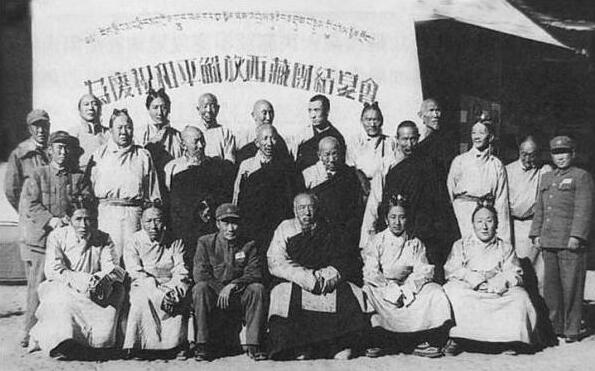
In the heart of New Delhi, Sonam Wangchuk lies on a makeshift bed, his resolve unwavering even as his physical strength ebbs away. For 19 days now, the celebrated activist and education reformer has abstained from food, reigniting a form of protest that has long been woven into the fabric of Indian political life: the hunger strike.
Wangchuk, known for his innovative approach to education in Ladakh, is no stranger to challenging the status quo. This time, his fast is aimed at galvanising support for a youth-led movement demanding justice for millions of Indian students. The protest has struck a chord, capturing the attention of both the public and the media, as concerns grow over Wangchuk's health.
The Historical Weight of Fasting
Hunger strikes in India are steeped in history, with Mahatma Gandhi famously employing the tactic to challenge British colonial rule. The moral authority that comes from willingly enduring hardship has remained a potent tool in the hands of Indian activists. Anthropologist Sayantan Saha Roy notes, "Hunger strikes are a global phenomenon, yet they hold a unique resonance in India, symbolising both personal sacrifice and moral high ground."
While some question the efficacy of such methods in modern times, Wangchuk's actions have rekindled debate on the power of non-violent resistance. His supporters argue that in a country where many are disenfranchised, traditional forms of protest continue to wield significant influence.
A Nation's Watchful Eye
As Wangchuk’s health deteriorates, the Indian government faces mounting pressure to address the issues he champions. The hunger strike, once a tool to challenge colonial powers, now serves as a reminder of the unfulfilled promises in modern India. It is a call to action, urging those in power to listen to the voices of the youth and the marginalised.
Wangchuk’s protest speaks to a broader narrative of dissatisfaction and the enduring hope for change. It is a testament to the idea that even in a digital age, the simplest forms of protest can still hold profound power. As he continues his fast, the nation is left to ponder whether this age-old method will once again compel action from those in power.