Sonam Wangchuk's Hunger Strike: A Symbol of Non-Violent Protest in India
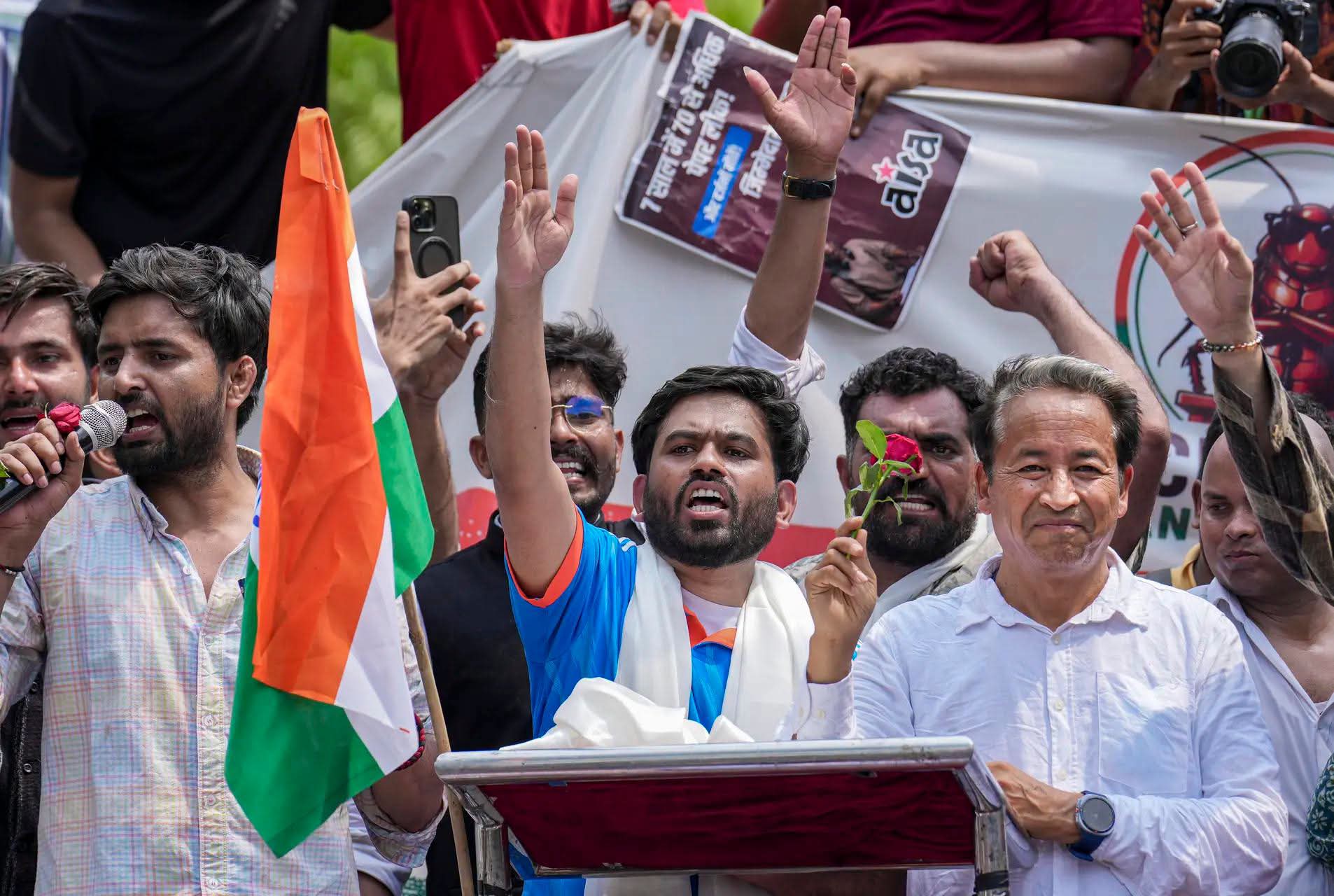
In the heart of New Delhi, Sonam Wangchuk sits resolutely at Jantar Mantar, his health visibly declining as he enters another day of his hunger strike. The educationist and climate activist has captured national attention, not merely for his striking semblance to Mahatma Gandhi’s methods but for the issues he champions.
Wangchuk’s protest is rooted in two core grievances: the alleged NEET examination paper leak and the constitutional ambiguities surrounding Ladakh. These are not trivial concerns. The NEET leak scandal threatens the integrity of India’s education system, while Ladakh’s status remains a contentious topic that resonates deeply with the region’s residents.
The Power of Non-Violence
By invoking the spirit of Gandhi, Wangchuk taps into a rich tradition of non-violent protest. Gandhi’s hunger strikes were legendary, a moral stand that often forced the British Raj to reconsider its policies. In today’s India, where protests can swiftly turn violent, Wangchuk's peaceful approach is a poignant reminder of the power of non-violence.
Nevertheless, a hunger strike is not without its risks. As news of Wangchuk’s deteriorating health spreads, public concern grows. His supporters, including the newly-formed Cockroach Janta Party, have rallied behind him, demanding urgent reforms in the education system and the resignation of Education Minister Dharmendra Pradhan.
Political Ramifications
The Modi government finds itself in a precarious position. Ignoring Wangchuk’s protest could be politically damaging, especially given the symbolic weight of his actions. Yet, addressing his demands requires navigating complex political terrain, particularly in relation to Ladakh, a region with strategic importance to India.
As Wangchuk’s fast continues, the eyes of the nation remain firmly fixed on Jantar Mantar. His struggle is emblematic of broader frustrations within Indian society, where citizens often feel unheard by their leaders. Whether the government will heed Wangchuk’s call for dialogue remains uncertain, but his protest has already ignited a crucial conversation about governance and accountability.