Sonam Wangchuk's Hunger Strike Sparks Political Reckoning in India
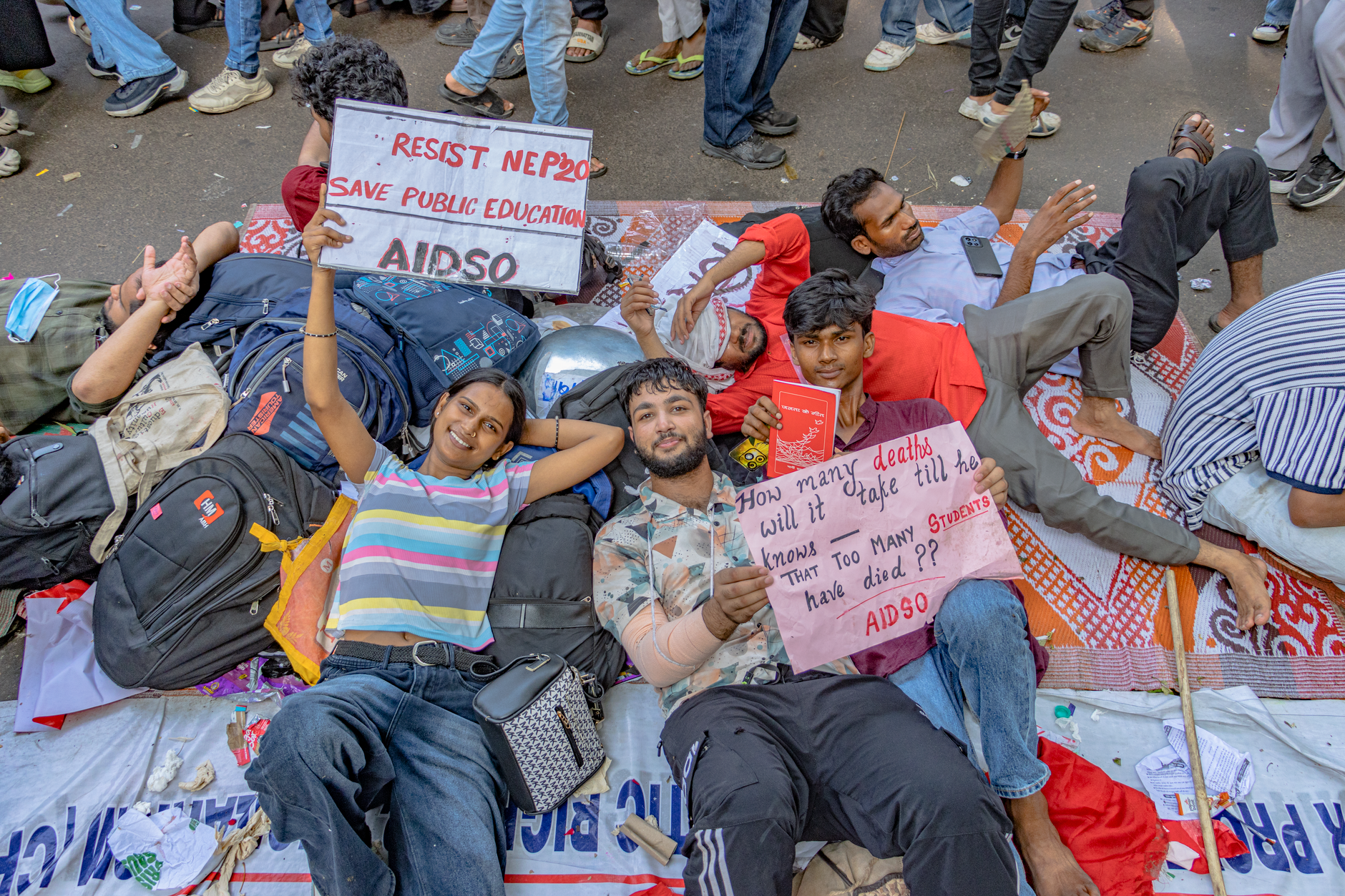
In the bustling streets of Delhi, where the air is thick with monsoon humidity, a new kind of protest has taken root, challenging the very fabric of India's political establishment. Sonam Wangchuk, an activist whose name now resounds in the corridors of power, has captured the nation's imagination with his hunger strike, a stark call for honest leadership and reform.
Wangchuk's protest, which he describes as a personal sacrifice for the nation's future, aligns with the Cockroach Janta Party, a youth-led movement that has grown formidable in its challenge to the ruling powers. Born out of frustration with systemic corruption and high-profile exam paper leaks, the movement has galvanised India's youth, who are demanding accountability and transparency from their leaders.
The hunger strike, lasting 26 days before authorities intervened, has become a poignant symbol of resistance. Wangchuk's frail figure, determined and defiant, has drawn widespread support, even as the government attempted to quash the protest by hospitalising him. The image of Wangchuk, weakened but resolute, speaks to a deeper yearning among Indians for change.
The Cockroach Movement: A Force to Reckon With
Initially dismissed as a satirical jab at the political elite, the Cockroach Janta Party has emerged as a significant political force. Its name, inspired by the resilient insect, reflects its members' determination to endure and thrive despite attempts to silence them.
For years, India's youth have felt sidelined by a political system perceived as indifferent to their needs. The Cockroach movement's rapid growth signals a shift in this dynamic. Wangchuk's hunger strike has crystallised these sentiments, serving as a rallying point for those disillusioned with traditional political narratives.
Demands for Honesty and Integrity
At the heart of Wangchuk's protest is a simple yet profound demand: honest leadership. His call echoes across social media, in university campuses, and among the diaspora, resonating with a populace weary of graft and nepotism. The hunger strike is not just a plea for personal integrity but a clarion call for systemic reform.
As India stands on the cusp of potential political transformation, the Cockroach movement and Wangchuk's defiance represent a moment of reckoning. The question now is whether this groundswell of demand for honesty will lead to tangible change or be absorbed into the political ether.
For now, Sonam Wangchuk remains a beacon of hope for many, his hunger strike a testament to the power of individual sacrifice in the face of daunting odds. His actions may well be the first step towards a future where integrity is not just an aspiration but a reality.