Sonia Gandhi's Memoir Sparks Political Storm Amid Marathi Language Debate
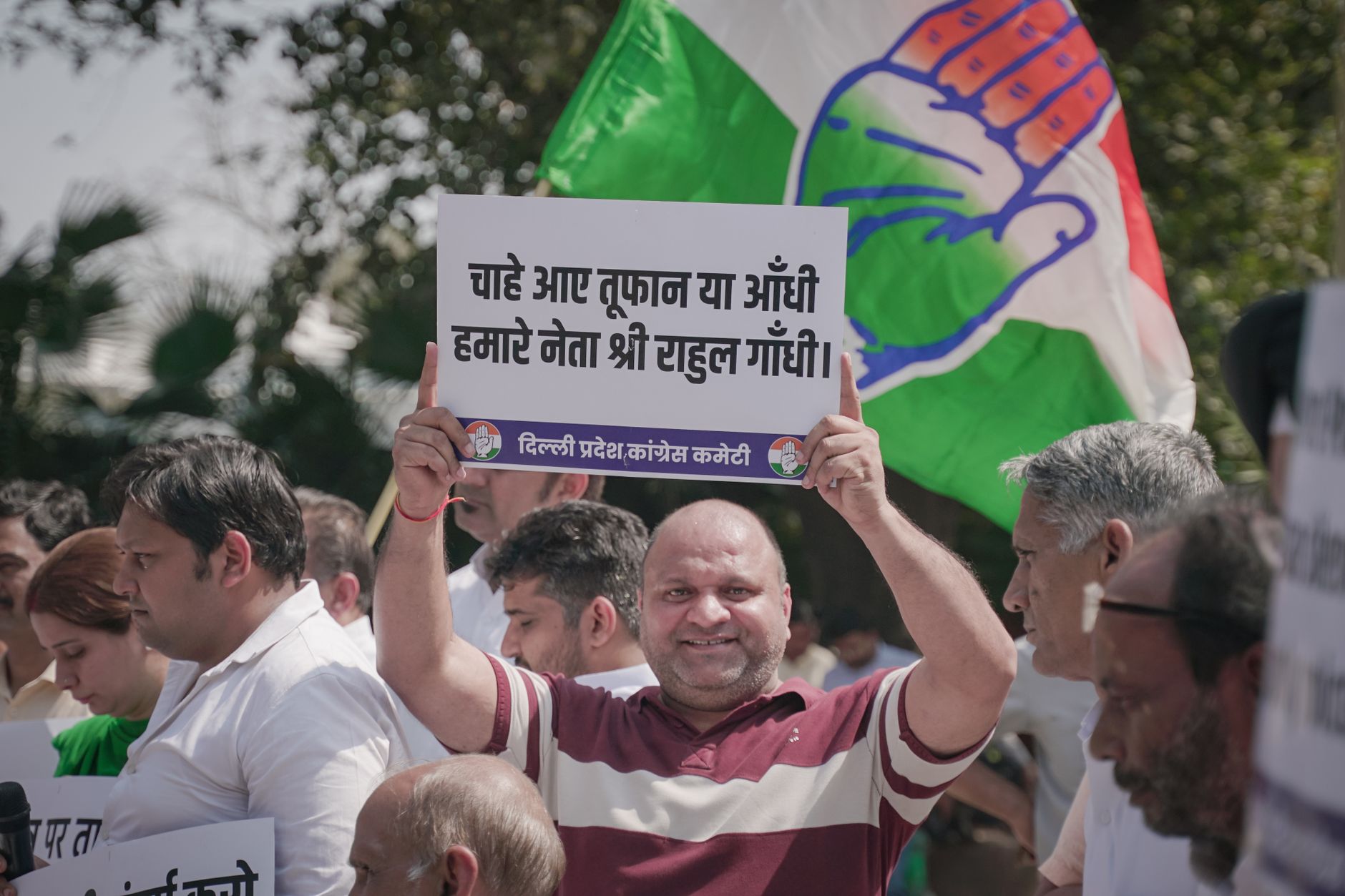
In the ever-turbulent world of Indian politics, a single week can feel like a lifetime. This week, the spotlight is firmly fixed on the Congress party, with Sonia Gandhi's much-anticipated memoir at the centre of a brewing storm. Reports indicate that Penguin India has hesitated to publish the memoir, citing concerns over its references to sensitive topics such as the India-China relationship and territorial disputes.
The memoir, which promises to delve into Gandhi's life from her Italian childhood to her decision to decline the Prime Ministership in 2004, remains unpublished. This hesitation has ignited a wave of speculation and political manoeuvring, with critics and supporters alike eager to see what revelations may come to light.
The Rahul Gandhi Conundrum
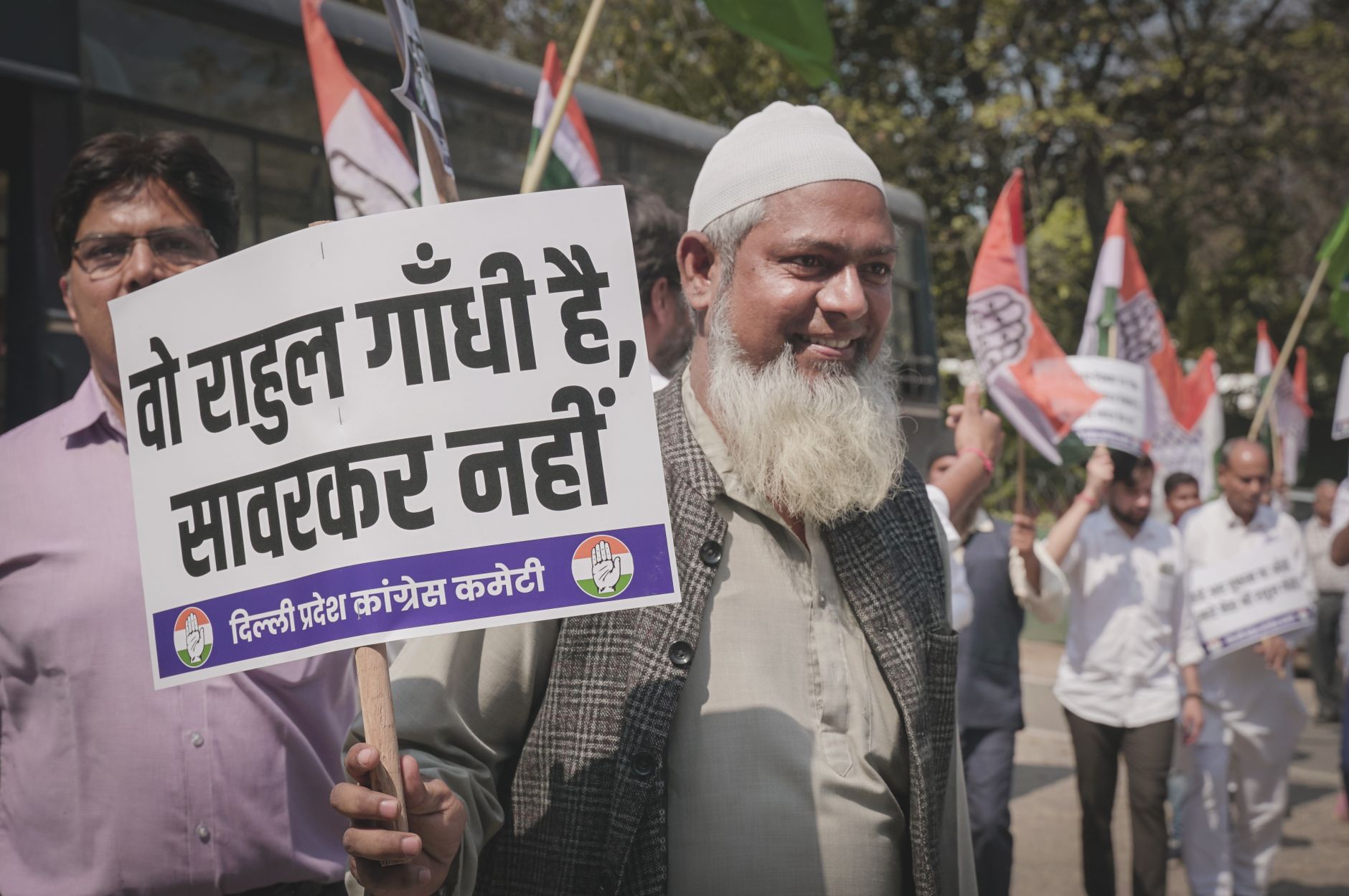
While his mother's memoir waits in the wings, Rahul Gandhi has been making headlines of his own. The Congress MP recently claimed that a Brazilian woman's photograph appeared 22 times in the voters' list in Haryana, a statement that has been subject to intense scrutiny and fact-checking. This claim has added another layer to the complex fabric of India's electoral politics, raising questions about voter list integrity and electoral fairness.
As Rahul continues to question governmental accountability, particularly regarding the Line of Actual Control with China, his statements have both ruffled feathers and captured media attention. The political implications of his assertions are significant, as they challenge the narrative of a government often criticised for its opacity.
Maharashtra's Lingual Tensions
Meanwhile, in Maharashtra, a different kind of political debate is simmering. The state's ongoing row over the Marathi language has sparked cultural and identity discussions, drawing in political leaders from across the spectrum. The issue centres on the perceived erosion of Marathi identity and the push for its preservation in an increasingly globalised India.
As political leaders navigate these choppy waters, the intersection of language, identity, and politics becomes ever more apparent. The stakes are high, with each side seeking to assert its vision for the future cultural landscape of the state.
In a nation as diverse and dynamic as India, these debates are more than mere talking points; they are the very fabric of its democracy. As the week draws to a close, the reverberations of these events will undoubtedly continue to influence the country's political discourse.