South Africa Seeks Safer Alternatives to Hazardous Pesticides
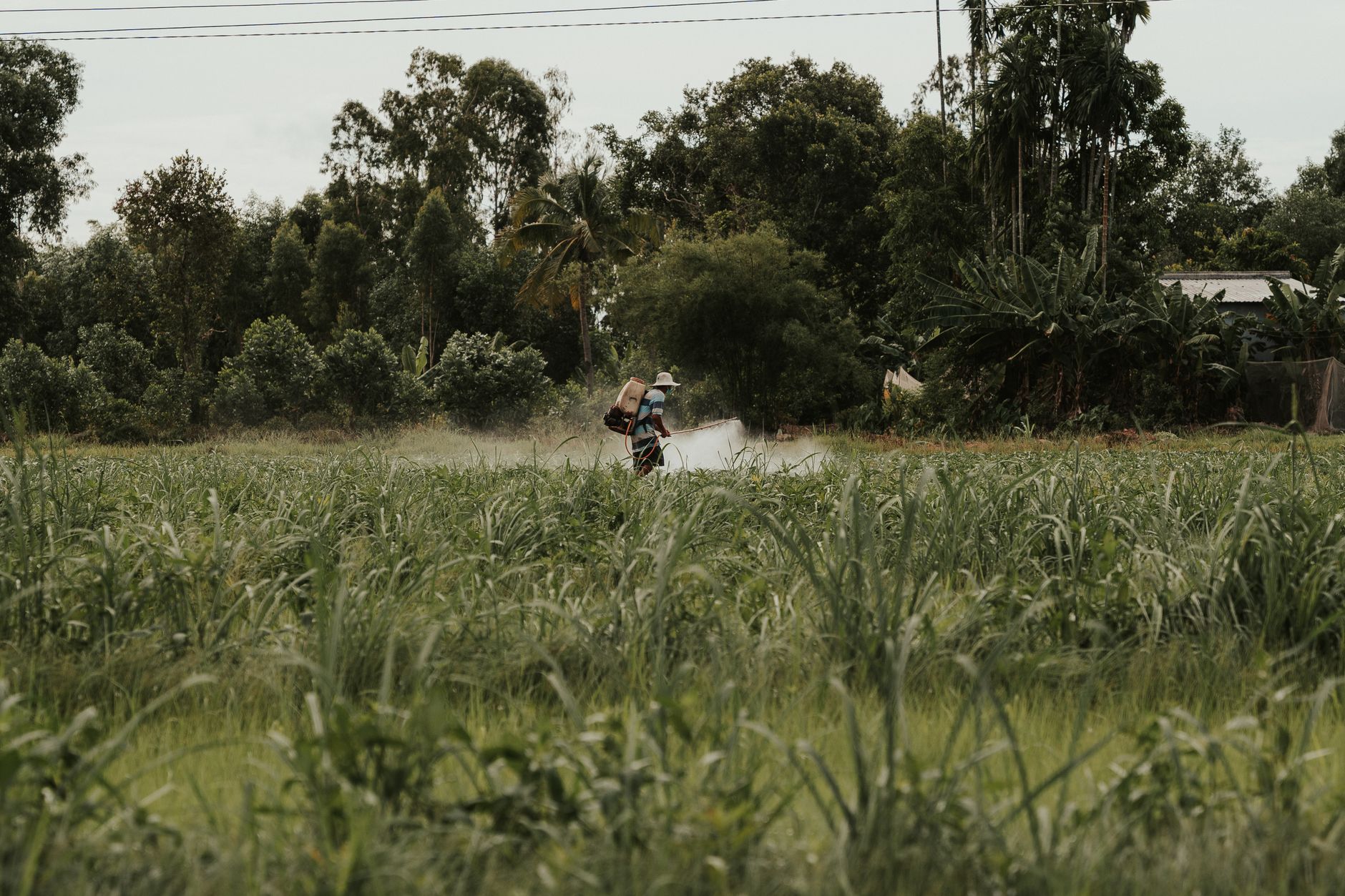
Amidst the rolling vineyards and sprawling fields of South Africa, a quiet revolution is taking root. As the country grapples with the dual pressures of rising fuel costs and mounting health concerns, the agricultural sector is looking to move away from traditional chemical pesticides.
Reports have long highlighted the dangers of pesticide exposure, especially among farmworkers. While those directly handling these chemicals are at risk, the majority of poisonings occur among field workers who merely work in proximity. This troubling reality has not gone unnoticed by the Union for Concerned Scientists, which has underscored the need for safer practices.
The Health Implications
Exposure to pesticides has been linked to a variety of health issues, ranging from acute poisonings to long-term effects such as respiratory problems and even cancer. The Environmental Protection Agency's recent findings have further alarmed stakeholders, pointing to significant risks posed by chemicals like DCPA.
In a country where agriculture remains a cornerstone of the economy, the health of farmworkers is not just a labour issue; it is a public health concern. Pregnant women and children in these communities are especially vulnerable, making the call for change ever more urgent.
Exploring Alternatives
The South African government is now actively exploring alternatives. Organic farming practices, which eschew synthetic chemicals in favour of natural solutions, are being promoted. Additionally, innovative technologies, such as biopesticides and integrated pest management systems, offer promising avenues to reduce chemical dependency.
These changes are not merely about health. They represent a broader shift towards sustainable agriculture, aligning with global efforts to combat climate change and environmental degradation.
While transitioning away from chemical pesticides presents challenges, the potential benefits to human health and the environment are undeniable. South Africa's commitment to this path could pave the way for other nations grappling with similar issues, offering a blueprint for a healthier, more sustainable future.