South Africa's Overlooked Solar Potential: Power Post-Sunset
South Africa, a nation blessed with abundant sunshine, finds itself in a paradoxical energy conundrum. Despite the vast expanses of sun-drenched land, the country's energy strategy appears to be bypassing a technology that could harness this natural wealth even after the sun sets.
While photovoltaic systems have seen significant adoption, with utility-scale and rooftop installations reaching a combined capacity of nearly 8,000 MW, the potential of concentrating solar power (CSP) has been largely ignored. This omission in the national energy plan is surprising, especially given the unique advantages CSP offers.
Harnessing Heat, Not Just Light
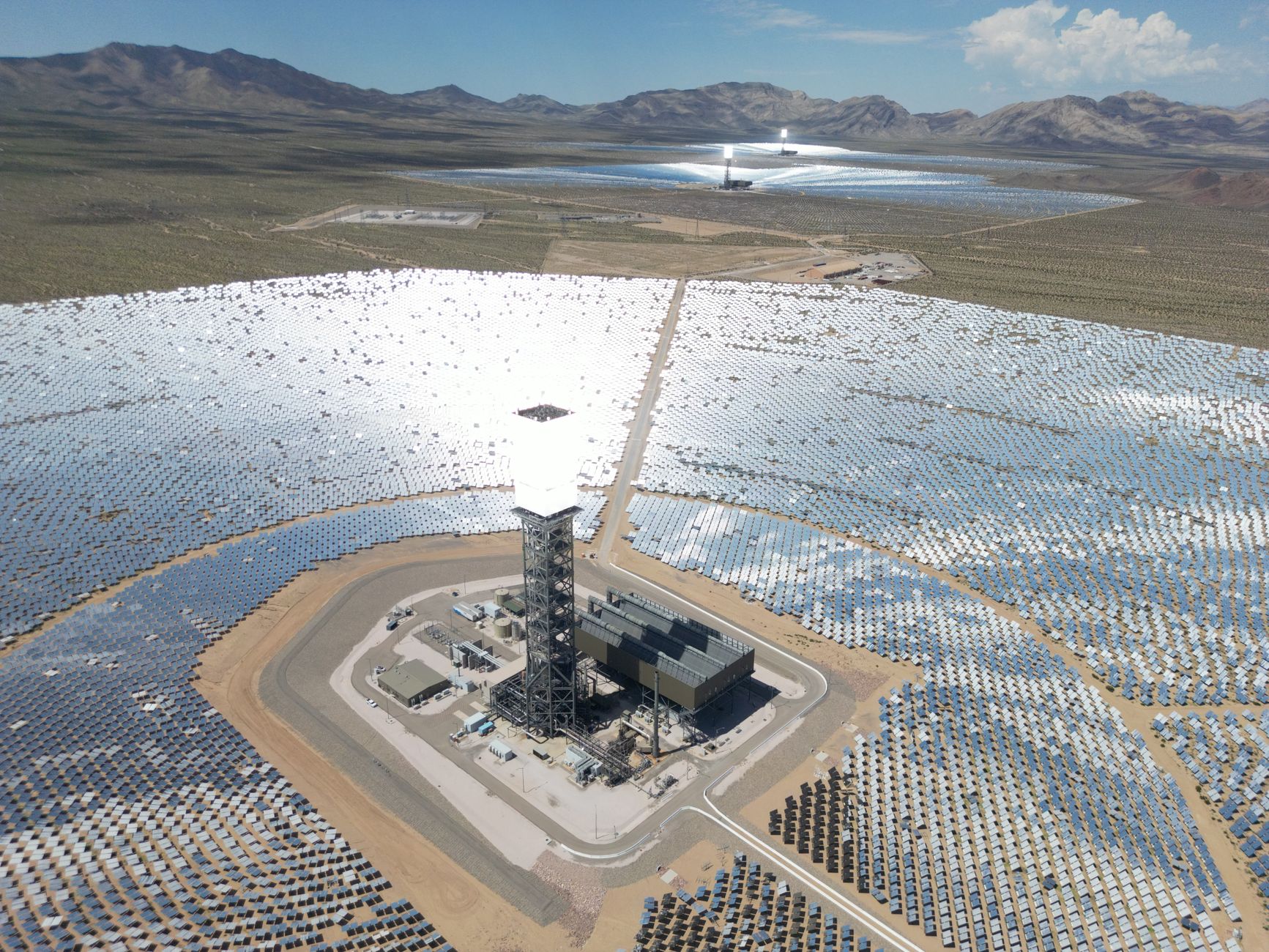
CSP operates differently from traditional solar panels. Instead of converting sunlight directly into electricity, it uses mirrors to concentrate sunlight, heating a fluid to create steam and drive turbines. More impressively, it can store thermal energy in materials like molten salt, enabling electricity generation long after the sun has dipped below the horizon.
This capability is particularly crucial for South Africa, where energy demand peaks during evening hours. Yet, CSP's potential remains largely sidelined, overshadowed by the more conventional photovoltaic systems.
The Case for CSP
As South Africa strives to phase out coal plants and shift towards renewables, the need for reliable, round-the-clock power sources becomes ever more pressing. CSP could play a pivotal role in this transition, providing a stable energy supply that complements other renewable sources.
Private initiatives have begun to recognise CSP's merits, though progress remains slow. Without substantial government support or incentives, the technology's broader adoption may falter, leaving the country reliant on less sustainable options.
Ultimately, if South Africa is to capitalise on its solar abundance and secure a clean energy future, it may need to revisit its energy blueprint. Incorporating CSP could ensure that the country's solar potential is fully realised, delivering power long after the sun has bid adieu.