Space Debris: The Next Frontier for Ambitious Enterprises
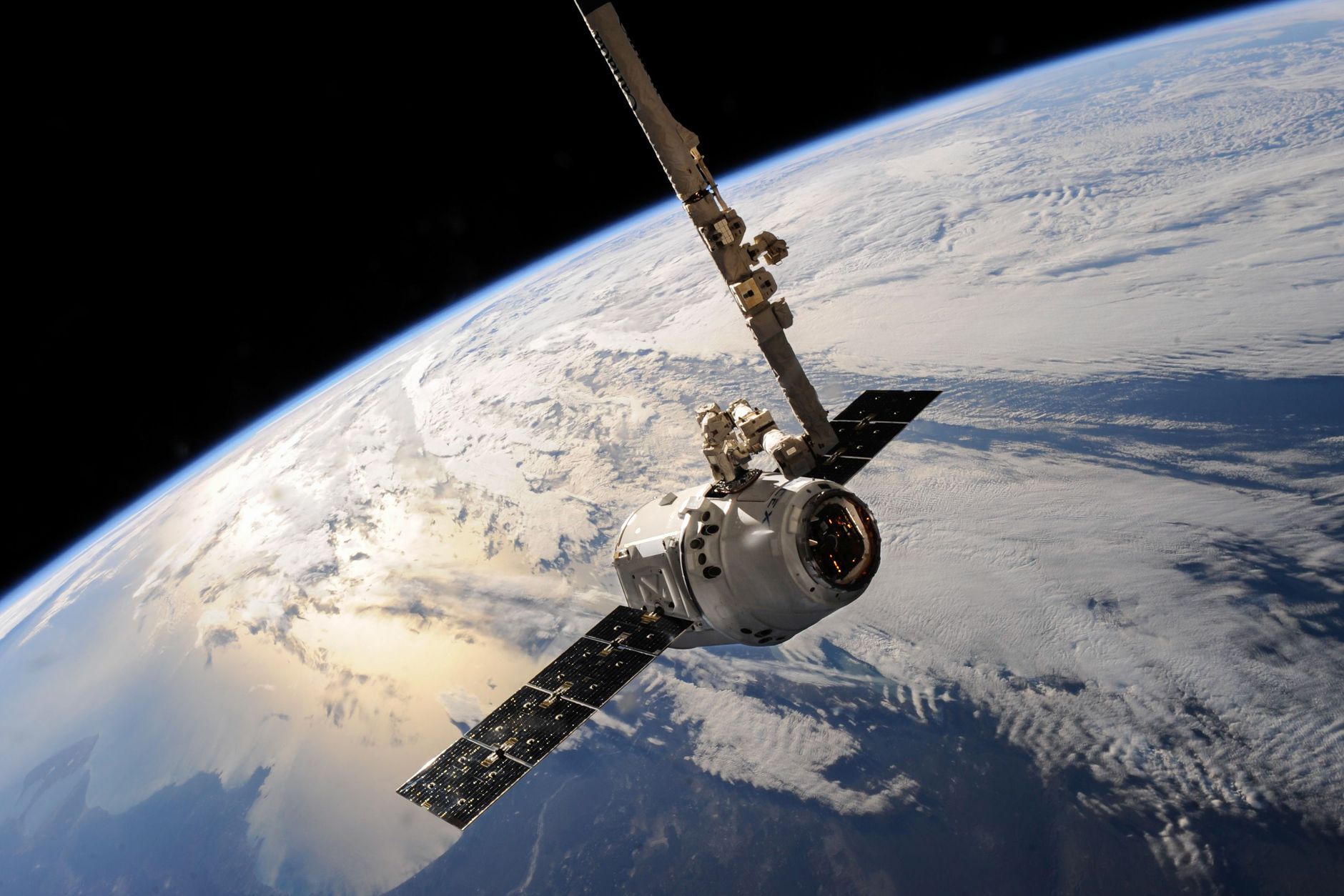
High above our heads, a perilous dance unfolds as defunct satellites and ageing rocket parts vie for space in an increasingly congested orbit. These relics of past missions, numbering in the tens of thousands, now pose a growing threat to modern space operations. Enter a new breed of companies, poised to turn this orbital clutter into a lucrative business opportunity.
With an estimated 170 million pieces of debris now circling Earth, the stakes could not be higher. A collision with even a tiny fragment can result in catastrophic damage to operational satellites, affecting everything from global communications to weather forecasting. For some, this grim scenario spells danger; for others, it screams opportunity.
The nascent space debris removal industry is already valued at $1.2 billion, and its potential is vast. Firms are not merely looking to tidy up the celestial mess. They are engineering solutions to service and extend the life of satellites, offering refuelling, repositioning, and even in-space construction services. This could transform the debris market into a cornerstone of a much larger orbital services economy.
Investors and Governments Keep Watch
Investors are beginning to take note, as are governments wary of the strategic implications of space debris. The European Space Agency, for instance, has already commissioned projects aimed at removing space junk. Meanwhile, private firms such as Astroscale and Clearspace are developing technologies to capture and deorbit defunct satellites.
These endeavours are not merely about profit. They are about ensuring the long-term sustainability of space operations. As the orbital real estate becomes ever more crowded, the necessity of creating a safe and sustainable environment becomes increasingly urgent.
A Broader Vision
Beyond debris removal, the same technologies could pave the way for an array of services in space. This includes satellite relocation, inspection, and eventually, construction. Such capabilities might revolutionise how we use space, making it not only safer but also more efficient and economically viable.
In this race to clean up the cosmos, the businesses that succeed will have not only capitalised on a unique market niche but will have contributed to a pivotal chapter in the history of space exploration. As these companies forge ahead, they may well help define the future of humanity’s presence in space. It appears the sky is not the limit, but just the beginning.